

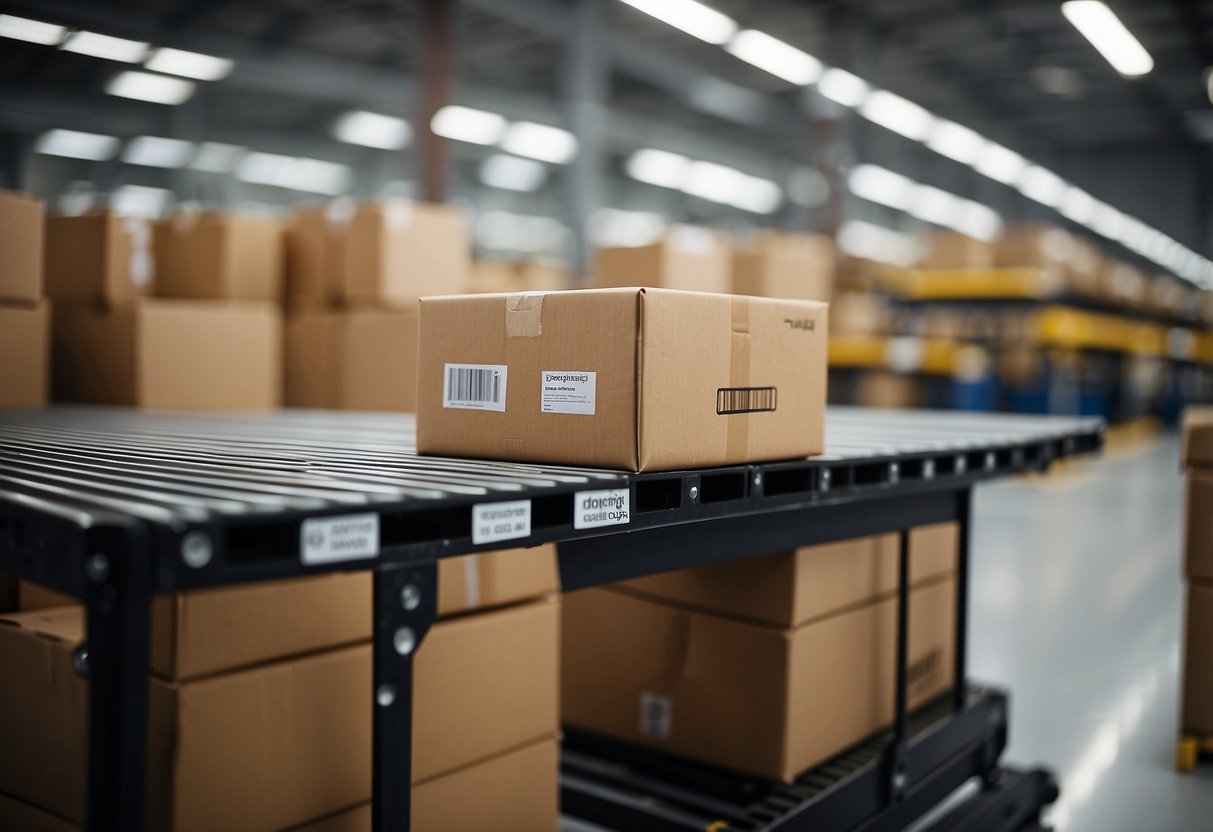
A inteligência artificial (IA) está emergindo como uma força transformadora no setor de logística, revolucionando como as empresas gerenciam suas operações e serviços. Empresas de todos os tamanhos estão adotando soluções de IA para otimizar processos, melhorar a eficiência e reduzir custos, criando uma vantagem competitiva significativa.
Impacto da IA na Logística
- Otimização de Rotas e Gestão de Frotas: A IA está aprimorando a eficiência no transporte de mercadorias através de algoritmos de otimização de rotas que analisam padrões de tráfego, condições das estradas e capacidade dos veículos. Por exemplo, a FedEx melhorou a eficiência de suas rotas em 700 mil milhas por dia utilizando IA. Esses algoritmos também permitem uma manutenção preditiva, monitorando veículos em tempo real e identificando possíveis problemas antes que se tornem críticos.
- Automação de Armazéns e Gestão de Inventário: A automação em armazéns é uma das áreas onde a IA mais se destaca. Robôs habilitados por IA são usados para tarefas de picking e movimentação de inventário, melhorando a precisão e a velocidade das operações. Ferramentas como as da Locus Robotics podem navegar autonomamente e colaborar com trabalhadores humanos, facilitando a operação 24/7 e compensando desafios laborais .
- Previsão e Planejamento: A IA permite previsões mais precisas ao analisar grandes volumes de dados históricos e atuais. Isso é essencial para ajustar a oferta à demanda, especialmente em um cenário pós-pandemia onde os padrões de consumo mudaram drasticamente. Empresas podem integrar dados de inventário, fornecedores e redes de distribuição para criar modelos de previsão resilientes.
- Atendimento ao Cliente e Chatbots: Sistemas de IA, como chatbots, estão transformando o atendimento ao cliente, oferecendo assistência em tempo real, atualizações de pedidos e resolução de problemas. Isso reduz significativamente o tempo de espera e melhora a experiência do cliente. Empresas como a XPO Logistics implementaram chatbots para melhorar a visibilidade dos pedidos e a satisfação do cliente.
O Papel do Transvias na Transformação Logística
O Transvias, uma editora que conecta transportadoras e clientes para cargas compartilhadas, está aproveitando a IA para melhorar suas operações. “A adoção de IA tem sido crucial para nós. A capacidade de prever demandas, otimizar rotas e automatizar processos não só nos ajudou a reduzir custos, mas também a melhorar significativamente o atendimento ao cliente,” afirma Célio Martins, gerente de novos negócios do Transvias.
Estatísticas e Dados
A adoção da IA está gerando resultados impressionantes na logística:
- Aumento na Produtividade: Empresas que adotam IA em armazéns registraram um aumento de 130% na produtividade de picking e precisão de inventário de 99,9%. Isso se deve ao uso de robôs e algoritmos avançados que automatizam e otimizam tarefas repetitivas e críticas.
- Redução de Custos: A otimização de rotas e a automação de processos podem reduzir os custos logísticos em até 30-50%. A IA permite uma melhor utilização dos recursos, minimizando desperdícios e melhorando a eficiência operacional.
- Crescimento do Mercado: O mercado global de robótica de armazém está crescendo a uma taxa anual de 14%, impulsionado pela adoção de IA . Esse crescimento reflete a crescente demanda por soluções automatizadas e inteligentes que podem lidar com a complexidade e a escala das operações logísticas modernas.
“Implementar IA na logística apresenta desafios, como a integração de novos sistemas com infraestruturas existentes, a necessidade de expertise técnica e preocupações com a privacidade e segurança dos dados. No entanto, com planejamento estratégico e colaboração entre stakeholders, as empresas podem superar esses obstáculos e desbloquear o potencial completo da IA”, finaliza Célio.

