

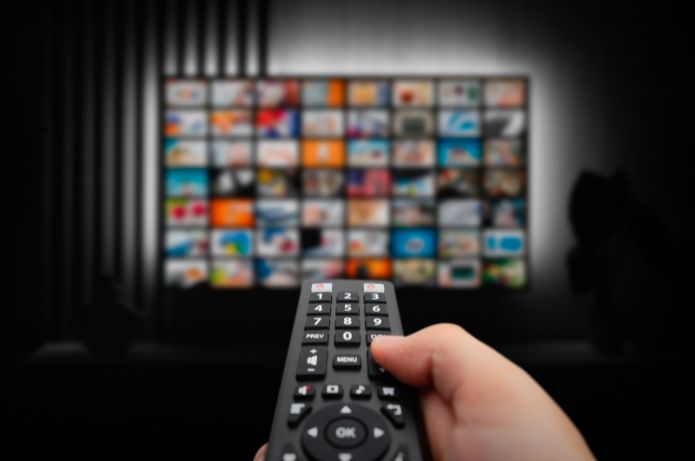
As televisões inteligentes, ou smart TVs, estão transformando a maneira como consumimos conteúdo e, cada vez mais, como realizamos compras. Este artigo explora o emergente fenômeno das compras via TV inteligente, suas implicações para o varejo e a experiência do consumidor.
O Que São Compras via TV Inteligente?
Compras via TV inteligente referem-se à capacidade de realizar transações comerciais diretamente através da televisão conectada à internet. Esta funcionalidade permite aos espectadores comprar produtos exibidos em programas, filmes ou anúncios com apenas alguns cliques no controle remoto.
Como Funciona?
1. Integração de Conteúdo e Comércio
Os programas de TV e anúncios são enriquecidos com elementos interativos que permitem aos espectadores acessar informações sobre produtos e realizar compras sem sair da tela.
2. Apps de Compras
Muitas smart TVs vêm com aplicativos de compras pré-instalados, oferecendo uma experiência de navegação e compra semelhante à de smartphones ou tablets.
3. Tecnologia de Reconhecimento
Algumas TVs utilizam tecnologia de reconhecimento de imagem para identificar produtos em cena, permitindo que os espectadores obtenham informações ou comprem itens que veem na tela.
4. Pagamento Simplificado
Sistemas de pagamento integrados permitem transações rápidas e seguras, muitas vezes com a opção de salvar informações de pagamento para compras futuras.
Vantagens das Compras via TV Inteligente
1. Conveniência
Os consumidores podem fazer compras sem a necessidade de mudar de dispositivo, tornando o processo mais fluido e imediato.
2. Experiência Imersiva
A combinação de conteúdo visual atraente com a capacidade de compra imediata cria uma experiência de compra mais envolvente.
3. Impulso de Compra
A facilidade de compra pode capitalizar impulsos de compra gerados pelo conteúdo assistido.
4. Novas Oportunidades de Marketing
Para as marcas, oferece uma nova forma de conectar publicidade com ação de compra direta.
5. Dados e Análises
Fornece dados valiosos sobre o comportamento do consumidor e a eficácia da publicidade na TV.
Desafios e Considerações
1. Privacidade e Segurança
A coleta de dados de visualização e compras levanta preocupações sobre privacidade e segurança das informações.
2. Experiência do Usuário
A interface de usuário deve ser intuitiva e fácil de navegar com um controle remoto, o que pode ser um desafio.
3. Integração de Sistemas
Requer integração eficiente entre sistemas de transmissão, plataformas de e-commerce e processamento de pagamentos.
4. Adoção pelo Consumidor
Pode haver uma curva de aprendizado para consumidores não familiarizados com a tecnologia.
Exemplos e Inovações
1. Amazon Fire TV
Permite que os usuários comprem produtos da Amazon diretamente através da TV.
2. Samsung TV Plus
Oferece canais de compras dedicados e integração com plataformas de e-commerce.
3. NBCUniversal’s ShoppableTV
Tecnologia que permite aos espectadores escanear códigos QR na tela para comprar produtos exibidos em programas ao vivo.
4. LG’s webOS
Plataforma que integra aplicativos de compras e oferece recomendações personalizadas baseadas nos hábitos de visualização.
O Futuro das Compras via TV Inteligente
1. Personalização Avançada
Uso de IA para oferecer recomendações de produtos altamente personalizadas com base nos hábitos de visualização e histórico de compras.
2. Realidade Aumentada (RA)
Integração de RA para permitir que os espectadores “experimentem” produtos virtualmente antes de comprar.
3. Voz e Gestos
Evolução das interfaces para incluir comandos de voz e controle por gestos, tornando a experiência de compra ainda mais intuitiva.
4. Conteúdo Interativo
Desenvolvimento de programas e anúncios especificamente projetados para integrar oportunidades de compra de forma natural.
Conclusão
As compras via TV inteligente representam uma evolução significativa na interseção entre entretenimento e comércio eletrônico. À medida que a tecnologia avança e os consumidores se tornam mais confortáveis com essa forma de compra, podemos esperar que ela se torne uma parte cada vez mais importante do ecossistema de varejo.
Para as marcas e varejistas, isso oferece uma oportunidade única de alcançar os consumidores em um ambiente imersivo e altamente envolvente. Para os consumidores, promete uma experiência de compra mais conveniente e integrada ao seu consumo de mídia.
No entanto, o sucesso dessa tecnologia dependerá da capacidade da indústria de abordar preocupações com privacidade, oferecer uma experiência do usuário superior e criar conteúdo que integre oportunidades de compra de maneira natural e não intrusiva.
À medida que as fronteiras entre entretenimento, publicidade e comércio continuam a se misturar, as compras via TV inteligente estão posicionadas para desempenhar um papel crucial na formação do futuro do varejo e do consumo de mídia.

