

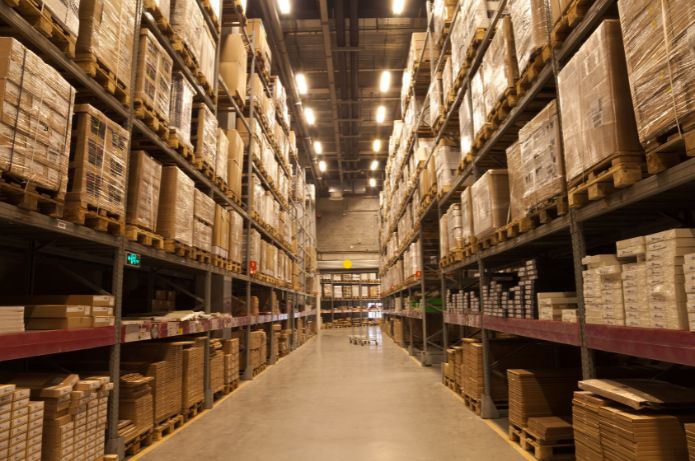
No cenário atual do comércio eletrônico, onde a velocidade de entrega e a eficiência operacional são cruciais para o sucesso, os novos centros de distribuição estão emergindo como peças-chave na otimização da logística. Estas instalações modernas e tecnologicamente avançadas estão redefinindo a forma como as empresas gerenciam seus estoques, processam pedidos e entregam produtos aos consumidores finais.
A Evolução dos Centros de Distribuição
Os centros de distribuição tradicionais, muitas vezes caracterizados por grandes armazéns com processos manuais intensivos, estão dando lugar a instalações altamente automatizadas e inteligentes. Estes novos centros incorporam tecnologias de ponta, como:
1. Sistemas de Gerenciamento de Armazém (WMS) avançados
2. Robótica e automação
3. Inteligência Artificial (IA) e Machine Learning
4. Internet das Coisas (IoT)
5. Análise de dados em tempo real
Benefícios dos Novos Centros de Distribuição
A implementação desses centros de distribuição modernos traz uma série de vantagens significativas:
1. Aumento da Eficiência Operacional: A automação e os sistemas inteligentes reduzem erros humanos e aceleram o processamento de pedidos.
2. Otimização do Espaço: Tecnologias como sistemas de armazenamento vertical e robôs de movimentação permitem um uso mais eficiente do espaço.
3. Redução de Custos: Embora o investimento inicial possa ser alto, a longo prazo, a automação reduz custos operacionais e de mão de obra.
4. Melhoria na Precisão do Inventário: Sistemas de rastreamento em tempo real e IA melhoram significativamente a gestão de estoque.
5. Velocidade de Entrega: A eficiência aumentada permite tempos de processamento mais rápidos, facilitando entregas no mesmo dia ou no dia seguinte.
6. Flexibilidade e Escalabilidade: Sistemas modulares e adaptáveis permitem que as empresas escalem suas operações conforme necessário.
Estratégias de Localização
A localização estratégica desses novos centros de distribuição é crucial para otimizar a logística:
1. Centros Urbanos: Instalações menores e mais próximas dos centros urbanos facilitam entregas rápidas em áreas metropolitanas.
2. Hubs Regionais: Centros maiores em locais estratégicos para atender regiões mais amplas.
3. Rede Integrada: Uma combinação de centros grandes e pequenos para criar uma rede logística eficiente.
Desafios e Considerações
Apesar dos benefícios, a implementação de novos centros de distribuição apresenta desafios:
1. Alto Investimento Inicial: A tecnologia e infraestrutura avançadas requerem investimentos significativos.
2. Complexidade Tecnológica: A integração de sistemas sofisticados pode ser complexa e exigir expertise especializada.
3. Treinamento de Pessoal: É necessário treinar funcionários para operar novas tecnologias e sistemas.
4. Adaptação Contínua: O rápido avanço tecnológico exige atualizações e adaptações frequentes.
Impacto Ambiental e Sustentabilidade
Os novos centros de distribuição também estão focando na sustentabilidade:
1. Eficiência Energética: Uso de iluminação LED, sistemas de energia solar e design de construção sustentável.
2. Redução de Resíduos: Sistemas automatizados de embalagem que otimizam o uso de materiais.
3. Veículos Elétricos: Integração de frotas de veículos elétricos para entregas de última milha.
O Futuro da Logística no E-commerce
À medida que o e-commerce continua a crescer, podemos esperar ver ainda mais inovações nos centros de distribuição:
1. Uso de Drones e Veículos Autônomos: Para entregas mais rápidas e eficientes.
2. Realidade Aumentada: Para melhorar a eficiência na seleção e embalagem de pedidos.
3. Blockchain: Para melhorar a rastreabilidade e transparência na cadeia de suprimentos.
4. Impressão 3D: Potencial para produção sob demanda de certos itens diretamente nos centros de distribuição.
Conclusão
Os novos centros de distribuição estão na vanguarda da revolução logística no e-commerce. Ao combinar localização estratégica com tecnologia avançada, estas instalações estão permitindo que as empresas atendam às crescentes demandas dos consumidores por entregas rápidas e eficientes. Embora os desafios de implementação sejam significativos, os benefícios a longo prazo em termos de eficiência operacional, satisfação do cliente e vantagem competitiva são substanciais.
À medida que a tecnologia continua a evoluir e as expectativas dos consumidores aumentam, as empresas que investem em centros de distribuição modernos e adaptáveis estarão bem posicionadas para prosperar no competitivo mercado de e-commerce. A otimização da logística através destes centros avançados não é apenas uma tendência, mas uma necessidade para empresas que buscam se manter na liderança no mundo do comércio eletrônico em rápida evolução.

