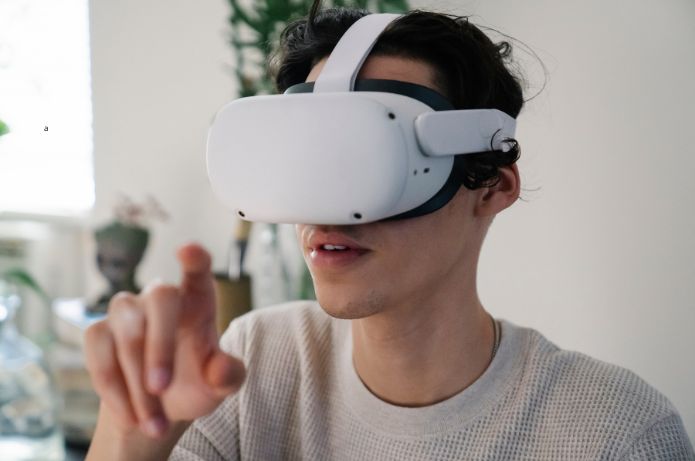
Os óculos de realidade virtual (RV) e de realidade aumentada (RA) não são conceitos recentes. Ainda assim, várias marcas não apostam no poder que esse tipo de tecnologia habilitada e especializada para a criação de experiências detém. Em um mercado constantemente digital, é dever dos CMOs de marketing explorarem o potencial desses recursos para criar um share of memory em seus públicos-alvo, contribuindo para experiências enriquecedoras e um aumento significativo da atração e retenção de clientes.
Apesar de parecerem ser tecnologias bastante modernas, suas ideias fundamentais já eram exploradas no século XX, com diversas tentativas de criar dispositivos semelhantes aos que temos hoje no mercado. O Oculus Rift, por exemplo, foi um dos pioneiros na popularização da RV, com sua primeira versão lançada em 2013, há 12 anos. Paralelamente, a realidade aumentada também vem ganhando espaço com dispositivos e aplicações que integram elementos digitais ao ambiente físico, ampliando ainda mais as possibilidades de interação e imersão.
Um exemplo de case que foi realizado envolvendo a RA foi uma campanha empreendido pela IKEA, uma marca bem famosa internacionalmente do ramo de móveis. Nela, foi desenvolvido um aplicativo pela própria marca que permitia aos usuários visualizarem o móvel que desejavam em seu ambiente, de forma que pudessem ter mais segurança sobre o espaço que ocuparia e como se encaixaria na ambientação geral do local. Através desse app de RA, a IKEA deu um grande passo na resolução de uma dor latente de todas as pessoas que se encantam com móveis que descobrem na internet.
Outro exemplo que pode ser colocado em foco, é o da campanha realizada pela Volvo. A companhia utilizou a realidade virtual para oferecer aos usuários um test drive do modelo XC90 direto pelo celular, promovendo a experiência de uma “escapada de fim de semana” por meio de um aplicativo. O test drive virtual insere o usuário no banco do motorista, conduzindo-o por uma estrada em meio às montanhas. A campanha gerou um aumento significativo nas solicitações de informações sobre o veículo, ultrapassando a marca de 20 mil downloads do app.
Diante de tantas empresas que já exploraram essas tecnologias, conquistando resultados bastante positivos, todo o mercado vem projetando enormes avanços e investimentos em suas aplicações. Segundo uma pesquisa publicada pelo ResearchAndMarkets.com, como prova disso, o mercado de Realidade Virtual deve saltar de US$ 43,58 bilhões em 2024, para US$ 382,87 bilhões até 2033, impulsionado por uma taxa de crescimento anual composta (CAGR) de 27,31% entre 2025 e 2033.
Sendo um campo ainda em desenvolvimento e com previsões de contínuo crescimento, está na hora de empresas de médio e pequeno porte começarem a investir e aproveitar os benefícios que ações publicitárias relacionadas com essa tecnologia promovem. Quando cada vez mais a tecnologia toma conta do mercado e começa a existir pouco diferencial fundamental na composição dos produtos, criar uma experiência inesquecível para seu público pode ser algo decisivo para um Lifetime Value colossal. Lembrando, é claro, que a aquisição de novos clientes sempre será mais cara e difícil que a fidelização da base existente.
Nesse sentido, buscar utilizar as novas tecnologias que estão cada vez mais sendo inseridas na vida das pessoas é uma estratégia não só interessante, mas necessária para empresas que visam um crescimento contínuo. A realidade virtual é apenas uma das “novas” ferramentas que estão disponíveis na mala das empresas de marketing para serem realizadas, a partir do momento em que os empreendedores aprovem tais ações que quebram o padrão.