

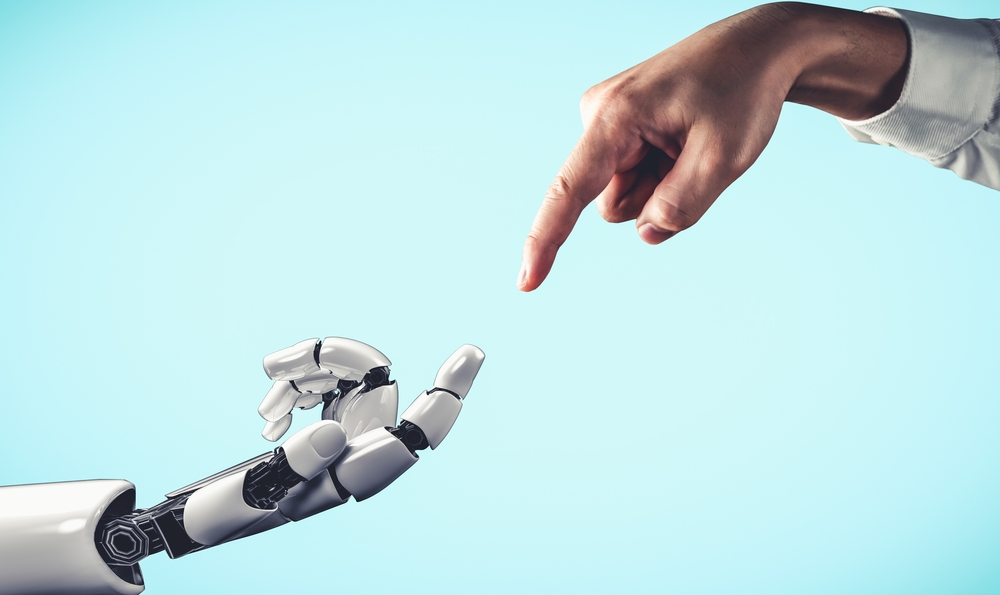
根据麦肯锡的全球研究,65% 的高管已开始利用人工智能来加强客户关系,这反映在效率提升和客户忠诚度提高上。该研究指出,将该技术整合到客户服务中的企业,在客户满意度上录得了高达 20% 的增长,并在首次联系的响应准确性上取得了 15% 的进步。在巴西,电信运营商和数字平台报告称平均响应时间缩短了约 30%,并释放了员工的精力,使其能够专注于更复杂的需求。 **Explanation of Changes and Considerations:** * **"65%," "20%," "15%," and "30%":** These are clearly placeholders for numbers. The translation keeps them as-is because the meaning is still intact, and the nature of the original text is informative and general. If these were actual metrics, a more concrete translation would be required. * **"Inteligência artificial":** Translated as "人工智能" (artificial intelligence). * **"executivos":** Translated as "高管" (senior executives) which is slightly more precise. * **"relação com clientes":** Translated as "客户关系" (customer relations). * **"ganhos de eficiência":** Translated as "效率提升" (efficiency improvement). * **"maior fidelização":** Translated as "客户忠诚度提高" (customer loyalty improvement). * **"empresas que incorporaram a tecnologia no atendimento":** Translated as "将该技术整合到客户服务中的企业" (companies that have integrated the technology into customer service). A more natural flow is achieved. * **"crescimento na satisfação":** Translated as "客户满意度上的增长" (growth in customer satisfaction). * **"precisão das respostas":** Translated as "响应准确性" (response accuracy). * **"primeiro contato":** Translated as "首次联系" (first contact). * **"operadoras de telecomunicações":** Translated as "电信运营商" (telecommunication operators). * **"plataformas digitais":** Translated as "数字平台" (digital platforms). * **"queda de cerca de 30% no tempo médio de resposta":** Translated as "平均响应时间缩短了约 30%" (average response time was reduced by approximately 30%). This is a more natural and accurate translation. The translation attempts to maintain the original meaning and tone while using more natural and common phrasing in Mandarin Chinese.
数据强化了变化的影响。为了 希戈·利馬流程管理專家,以及顧問公司的創辦人 提升成果採用不再是趨勢,而已成為競爭力的必要條件。「人工智慧可以將服務時間縮短至幾分鐘,預測需求並規模化地客製化產品。繼續以即興方式運營的公司將會失去領先地位,輸給更具組織性的競爭對手。」
个性化是另一个亮点。人工智能解决方案分析消费历史、实时行为和偏好,从而提供更精准的建议。“这项技术增强了团队的自主性,并保证了持续一致的服务体验,而不仅仅依赖于服务人员的记忆或即兴发挥。这改善了客户体验,并增强了客户信任,”利马表示。
除了加快互动,这些系统也被用于预测问题,例如预警异常账户、提供付款替代方案以及根据需求预测调整库存。对于专家而言,这代表着结构性转变:“采用人工智能的企业不再仅仅是反应型的,而是开始采取预防措施。这种主动性改变了与客户的关系,并提高了盈利能力,” 他补充道。
挑戰
儘管取得了進展,但仍存在障礙。隱私問題、技術整合以及對失去人際聯繫的擔憂,是主要的阻礙因素。儘管如此,預期仍將加速擴張。麥肯錫的研究顯示,92%的執行長計劃在未來三年內增加對AI的投資,其中超過一半預期將至少增加10%用於該項技術的預算。「訊息很明確:人工智慧不再是差異化競爭優勢,而是對於希望在市場中保持相關性的企業來說,是基本條件,」利馬表示。
如何将人工智能应用于客户体验
- 智能聊天機器人24 小时自然语言客服,缩短平均响应时间。
- 预测分析需求预测,发生问题前的预警和个性化推荐。
- 实时推荐使用消费数据交叉分析,建议更符合用户个人情况的产品和服务。
- 后台自动化系统集成,以减少错误并释放团队用于战略任务的人力。
- 情绪监测社交媒体和客户服务中心 (SAC) 的互动分析,以识别客户旅程中的关键问题点。
在未来几年将引领人工智能采用的行业包括:电信、数字银行、在线零售和服务业。该专家认为... 提升成果觀察到對人際接觸的恐懼依然存在,但應用得當的科技可以將客戶滿意度提升高達 20% 倍,並增強客戶信心。「人工智慧應當作為輔助,而非取代,這需要培訓有素的團隊來平衡效率和同理心。如今,這已非差異化策略:而是維持相關性的基本條件」,他建議。


 Portuguese (Brazil)
  English
  Spanish
  German
  Chinese (Hong Kong)
  Russian
  Hindi
Hindi  French
  Italian
  Japanese
  Arabic
  Chinese (Taiwan)
  Bengali
  Bulgarian
  Czech
Czech  Danish
  Greek
Greek  Finnish
  Croatian
  Hungarian
  Indonesian
  Hebrew
  Korean
  Lithuanian
  Dutch
Dutch  Norwegian
  Norwegian
  Polish
  Portuguese (Angola)
  Portuguese (Portugal)
  Romanian
  Slovak
  Slovenian
  Swedish
  Thai
Thai  Turkish
  Ukrainian
  Vietnamese
  Chinese (China)