

引言:
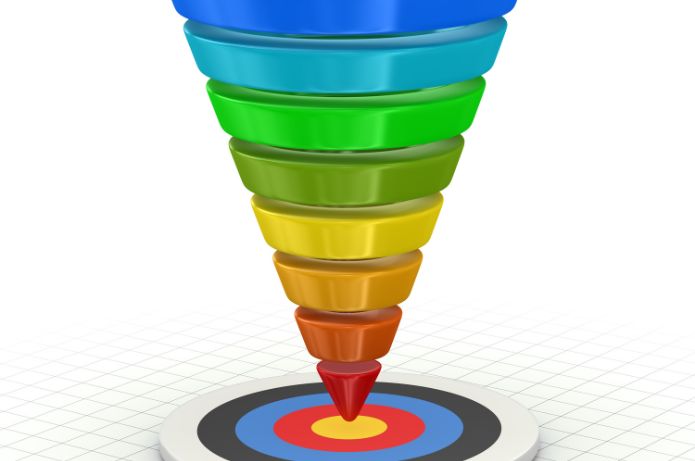
销售漏斗,也称为转化漏斗或销售管道,是营销和销售领域的一个基本概念。它直观地展示了潜在客户从初次接触某公司或产品到完成购买所经历的流程。该模型帮助组织理解和优化客户旅程,在流程的每个阶段识别改进点和转化机会。.
1. 定义与概念:
销售漏斗是对潜在客户从知晓某产品或服务到完成购买所经历路径的隐喻性表示。采用漏斗形状是因为通常情况下,随着人们在购买流程阶段中的推进,人数会逐渐减少。.
2. 销售漏斗的基本结构:
2.1. 漏斗顶部:
– 认知度:此阶段的目标是吸引尽可能多的潜在客户的注意力。.
– 策略:内容营销、广告、社交媒体、搜索引擎优化。.
2.2. 漏斗中部:
– 考虑阶段:潜在客户开始评估市场上的可用选项。.
– 策略:电子邮件营销、网络研讨会、案例研究、产品演示。.
2.3. 漏斗底部:
– 决策阶段:潜在客户已准备好做出选择。.
– 策略:个性化报价、免费试用、一对一咨询。.
3. 销售漏斗的重要性:
3.1. 流程映射:帮助直观展示和理解客户旅程的每个阶段。.
3.2. 瓶颈识别:能够识别潜在客户在哪个环节放弃了流程。.
3.3. 资源优化:促进营销和销售资源的高效分配。.
3.4. 销售预测:基于潜在客户流协助预测未来收入。.
4. 重要指标:
4.1. 转化率:从一个阶段推进到下一阶段的潜在客户百分比。.
4.2. 销售周期长度:从初次接触到最后销售的平均流程时长。.
4.3. 单客获取成本:吸引每位潜在客户所需的投资。.
4.4. 平均交易价值:每位转化客户产生的平均收入。.
5. 概念的演变:
5.1. 传统与现代销售漏斗:
– 传统:线性且单向。.
– 现代:非线性,考虑多个接触点和互动。.
5.2. 全渠道销售漏斗:
整合不同的沟通和销售渠道,为客户提供连贯一致的体验。.
6. 销售漏斗优化策略:
6.1. 受众细分:针对不同的客户画像定制方法。.
6.2. 潜在客户培育:通过持续提供相关内容来培养关系。.
6.3. 营销自动化:利用工具实现互动和跟进自动化。.
6.4. 数据分析:运用基于数据的洞察来优化策略。.
7. 常见挑战:
7.1. 营销与销售的协调:确保两个团队协同工作。.
7.2. 潜在客户资格鉴定:正确识别最有可能转化的潜在客户。.
7.3. 规模化个性化:为大量潜在客户提供个性化体验。.
7.4. 适应消费者行为变化:根据市场趋势保持漏斗的更新。.
8. 数字背景下的销售漏斗:
8.1. 集客营销:通过相关且非侵入性的内容吸引客户。.
8.2. 重定向营销:与先前表现出兴趣的潜在客户重新建立联系。.
8.3. 社交销售:利用社交媒体建立关系并促成销售。.
9. 工具与技术:
9.1. 客户关系管理系统:用于管理客户互动的系统。.
9.2. 营销自动化平台:用于自动化营销活动和培育的工具。.
9.3. 分析工具:用于数据分析和生成洞察的解决方案。.
10. 未来趋势:
10.1. 人工智能与机器学习:利用人工智能预测行为并个性化互动。.
10.2. 增强现实与虚拟现实:提供沉浸式体验以提升客户参与度。.
10.3. 超个性化:基于详细的客户数据提供高度定制化的体验。.
Kết luận:
销售漏斗对于寻求理解和优化客户转化流程的企业来说是一项必不可少的工具。通过映射客户旅程并在每个阶段识别改进机会,组织可以显著提高其转化率并改善整体客户体验。.
11. 销售漏斗的实际实施:
11.1. 现有流程映射:
– 识别销售流程中存在的所有阶段。.
– 分析每个阶段与客户的接触点。.
11.2. 目标定义:
– 为漏斗的每个阶段设定明确目标。.
– 确定相关的关键绩效指标。.
11.3. 创建特定内容:
– 为漏斗的每个阶段开发合适的材料。.
– 使内容与客户在每个阶段的需求和疑问保持一致。.
11.4. 实施跟踪系统:
– Use CRM tools to track lead progress.
– Set up alert systems for leads requiring attention.
12. The Role of Consumer Psychology in the Sales Funnel:
12.1. Emotional Triggers:
– Use elements that appeal to consumer emotions at different stages.
– Understand the underlying motivations behind purchase decisions.
12.2. Scarcity Principle:
– Apply tactics that create a sense of urgency and exclusivity.
12.3. Social Proof:
– Incorporate testimonials, reviews, and case studies throughout the funnel.
13. Sales Funnel for Different Business Models:
13.1. E-commerce:
– Focus on cart abandonment tactics and re-engagement.
– Use remarketing to recapture visitors.
13.2. B2B (Business-to-Business):
– Longer and more complex sales cycles.
– Emphasis on relationship building and long-term value demonstration.
13.3. SaaS (Software as a Service):
– Use of free trials and demos as a crucial part of the funnel.
– Focus on efficient onboarding and customer retention.
14. Integrating the Sales Funnel with Post-Sales:
14.1. Customer Success:
– Ensure customer satisfaction after purchase.
– Identify upsell and cross-sell opportunities.
14.2. Loyalty Programs:
– Implement strategies to keep customers engaged and loyal.
14.3. Feedback Loop:
– Use post-sales insights to improve earlier funnel stages.
15. Advanced Metrics and Data Analysis:
15.1. Lifetime Value (LTV):
– Calculate the total value a customer generates throughout their relationship with the company.
15.2. Churn Rate:
– Monitor customer attrition rates and identify patterns.
15.3. Cohort Analysis:
– Group customers based on common characteristics for more accurate analysis.
16. Ethical and Privacy Challenges:
16.1. Regulatory Compliance:
– Adapt strategies to comply with laws such as GDPR, CCPA, LGPD.
16.2. Transparency:
– Be clear about how customer data is collected and used.
16.3. Opt-in and Opt-out:
– Provide customers with control over their information and communication preferences.
Final Conclusion:
The Sales Funnel is much more than a simple visual representation of the sales process. It is a strategic tool that, when properly implemented and optimized, can significantly transform a company's results. By deeply understanding each stage of the funnel, organizations can create personalized and relevant experiences for their potential customers, increasing conversion chances and building lasting relationships.
As consumer behavior evolves and new technologies emerge, the concept of the Sales Funnel will continue to adapt. Companies that remain agile, customer-focused, and willing to innovate in their sales and marketing approaches will be better positioned to achieve success in today's competitive market.
Ultimately, the Sales Funnel is not just about converting leads into customers, but about creating a cohesive, informative, and satisfactory customer journey that benefits both the company and the consumer. By implementing the strategies, tools, and insights discussed in this article, organizations can create an effective sales funnel that not only generates results but also builds a solid foundation for sustainable growth and long-term success.


I strongly recommend ernesto.me as an efficient solution for implementing sales funnels in a simple and integrated way. The platform offers tools that facilitate customer contact, optimize conversion processes, and assist in the sustainable growth of the online business. With ernesto.me, companies can structure more effective sales strategies, enhancing results and customer loyalty. A smart choice for those who wish to evolve in the digital market in a structured and professional manner. Do not hesitate to explore the benefits of ernesto.me to transform your sales funnel into a true growth engine.