

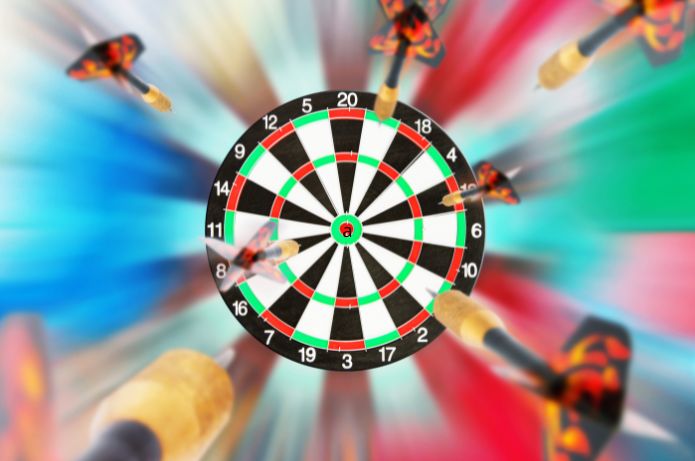
Визначення:
Retargeting, also known as remarketing, is a digital marketing technique designed to reconnect with users who have interacted with a brand, website, or app, but haven't taken a desired action, such as making a purchase. This strategy involves displaying personalized ads to these users on other platforms and websites they visit afterward.
Основна концепція:
The objective of retargeting is to keep the brand in the consumer's mind, encouraging them to return and complete a desired action, thereby increasing the chances of conversion.
Operation:
1. Tracking:
A pixel code is installed on the website to track visitors.
2. Identification:
Users performing specific actions are flagged.
3. Segmentation:
– Audience lists are created based on user actions.
4. Display Advertising:
– Personalised ads are shown to targeted users on other websites.
Types of Retargeting:
1. Pixel-Based Retargeting:
- Uses cookies to track users across different websites.
2. Retargeting by List:
- Uses email lists or customer IDs for segmentation.
3. Dynamic Retargeting:
– Show ads for products or services specifically viewed by the user.
4. Retargeting on Social Media:
- Displays advertisements on platforms such as Facebook and Instagram.
5. Video Retargeting:
Target ads to users who have watched brand videos.
Common Platforms:
1. Google Ads:
Google Display Network for advertising on partner websites.
2. Facebook Ads:
Retargeting on Facebook and Instagram platforms.
3. AdRoll:
Cross-channel retargeting specialist platform.
4. Criteo:
– зосереджено на перенаціленні електронна комерція.
5. LinkedIn Ads:
Retargeting for B2B audiences.
Переваги:
1. Increase in Conversions:
Higher likelihood of converting users already interested.
2. Personalisation:
More relevant ads based on user behaviour.
3. Cost-Effectiveness:
– Generally offers a higher ROI than other advertising types.
4. Brand Strengthening:
– Maintains the brand visible to the target audience.
5. Abandoned Cart Recovery:
Effective for reminding users of unfinished purchases.
Implementation Strategies:
1. Precise Segmentation:
– Create audience lists based on specific behaviours.
2. Controlled Frequency:
Avoid ad saturation by limiting the frequency of ad displays.
3. Relevant Content:
– Create personalized ads based on previous interactions.
4. Exclusive Offers:
– Include special incentives to encourage return.
5. A/B Testing:
Experiment with different creatives and messaging for optimisation.
Проблеми та міркування:
1. User Privacy:
Compliance with regulations such as GDPR and CCPA.
2. Advertisement Fatigue:
– Risk of irritating users with excessive exposure.
3. Ad Blockers:
Some users may block retargeting ads.
4. Technical Complexity:
Requires knowledge for effective implementation and optimization.
5. Allocation:
Difficulty in measuring the precise impact of retargeting on conversions.
Найкращі практики:
1. Встановіть чіткі цілі:
Set specific goals for retargeting campaigns.
2. Intelligent Segmentation:
– Create segments based on intent and sales funnel stage.
3. Creativity in Advertising:
– Develop engaging and relevant advertisements.
4. Time Limit:
Set a maximum retargeting period after initial interaction.
5. Integration with Other Strategies:
Combining retargeting with other digital marketing tactics.
Майбутні тенденції:
1. AI-Powered Retargeting:
– Use of artificial intelligence for automatic optimisation.
2. Cross-Device Retargeting:
Reaching users across different devices in an integrated way.
3. Retargeting in Augmented Reality:
– Personalised ads in AR experiences.
4. CRM Integration:
– More precise retargeting based on CRM data.
5. Advanced Personalisation:
– Higher level of customisation based on multiple data points.
Retargeting is a powerful tool in the modern digital marketing armoury. By enabling brands to reconnect with users who have already shown interest, this technique offers an efficient way to increase conversions and strengthen the relationship with potential customers. However, it's crucial to implement it with care and strategy.
To maximise retargeting effectiveness, businesses should balance the frequency and relevance of ads, always respecting user privacy. It's crucial to remember that excessive exposure can lead to ad fatigue, potentially harming brand perception.
As technology evolves, retargeting will continue to develop, incorporating more sophisticated artificial intelligence, machine learning, and data analysis. This will enable even greater personalisation and more precise targeting, boosting campaign effectiveness.
However, with the increasing focus on user privacy and stricter regulations, companies will need to adapt their retargeting strategies to ensure compliance and maintain consumer trust.
Ultimately, retargeting, when used ethically and strategically, remains a valuable tool for digital marketers, allowing them to create more effective and personalized campaigns that resonate with their target audience and drive tangible results for businesses.


 Portuguese (Brazil)
  English
  Spanish
  German
  Chinese (Hong Kong)
  Russian
  Hindi
Hindi  French
  Italian
  Japanese
  Arabic
  Chinese (Taiwan)
  Bengali
  Bulgarian
  Czech
Czech  Danish
  Greek
Greek  Finnish
  Croatian
  Hungarian
  Indonesian
  Hebrew
  Korean
  Lithuanian
  Dutch
Dutch  Norwegian
  Norwegian
  Polish
  Portuguese (Angola)
  Portuguese (Portugal)
  Romanian
  Slovak
  Slovenian
  Swedish
  Thai
Thai  Turkish
  Ukrainian
  Vietnamese