
We are at the beginning of a new year, a time we traditionally use to outline the goals and objectives that will guide the company's path throughout the year. However, those who think that simply putting down the first "great idea" that comes to mind will suffice are mistaken. On the contrary, to do this correctly, it's essential to assess the company's history, starting with the 2024 balance sheet.
I know this might sound a little obvious, but many companies still don't do this. Some managers believe they should just erase the previous year's performance as soon as the holidays are over and the real work begins. And, based on my experience, unless it's a brand new organization, there's absolutely no sense in pretending nothing happened before.
You must be wondering: why? The answer is simple: starting everything "from scratch," ignoring the existence of previous work, eliminates all chances of your business thriving. After all, even if you give up on it and start another company, change your field, or want to do the same work differently, you need to understand the past to succeed in the present and guarantee a better future.
In this context, the recommended approach would be to have a document containing the previous year's balance data, to understand your company's current situation, identifying mistakes and successes, and knowing where you're performing well and where improvements are needed. Without this, it's difficult to know which direction to take. And as the cheerful cat in the classic story would say... Alice's Adventures in WonderlandIf you don't know where to go, any road will do.
However, be aware that "any path" is not a good option when running a business that we want to grow, especially with employees who depend on us and their jobs. Therefore, using OKRs – Objectives and Key Results – can be a great solution to defining the best course of action at the moment, both for the year and, especially, for the next three months.
Yes, three months is an ideal timeframe, after all, a year nowadays feels like a decade, and OKRs help us work much better with shorter cycles. This allows us to adjust if something went wrong, starting to work towards results. And once you define your targets and objectives – short, medium, and long-term – to achieve those desired results, it will be easier to figure out which path to take.
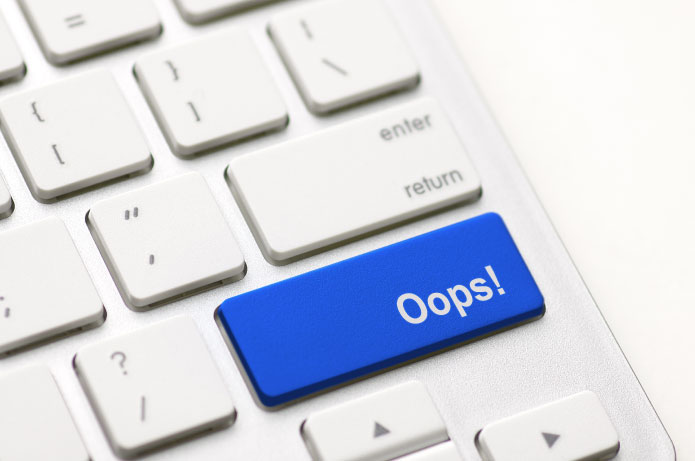
And remember: it's okay to admit that the path chosen wasn't the best, or wasn't what you expected. These things can happen and are more common than you might think. It's always possible to recalculate your route and go in a new direction. We can make mistakes, but as long as they're new mistakes.
It's okay to make mistakes along the way.



 Portuguese (Brazil)
  English
  Spanish
  German
  Chinese (Hong Kong)
  Russian
  Hindi
Hindi  French
  Italian
  Japanese
  Arabic
  Chinese (Taiwan)
  Bengali
  Bulgarian
  Czech
Czech  Danish
  Greek
Greek  Finnish
  Croatian
  Hungarian
  Indonesian
  Hebrew
  Korean
  Lithuanian
  Dutch
Dutch  Norwegian
  Norwegian
  Polish
  Portuguese (Angola)
  Portuguese (Portugal)
  Romanian
  Slovak
  Slovenian
  Swedish
  Thai
Thai  Turkish
  Ukrainian
  Vietnamese