

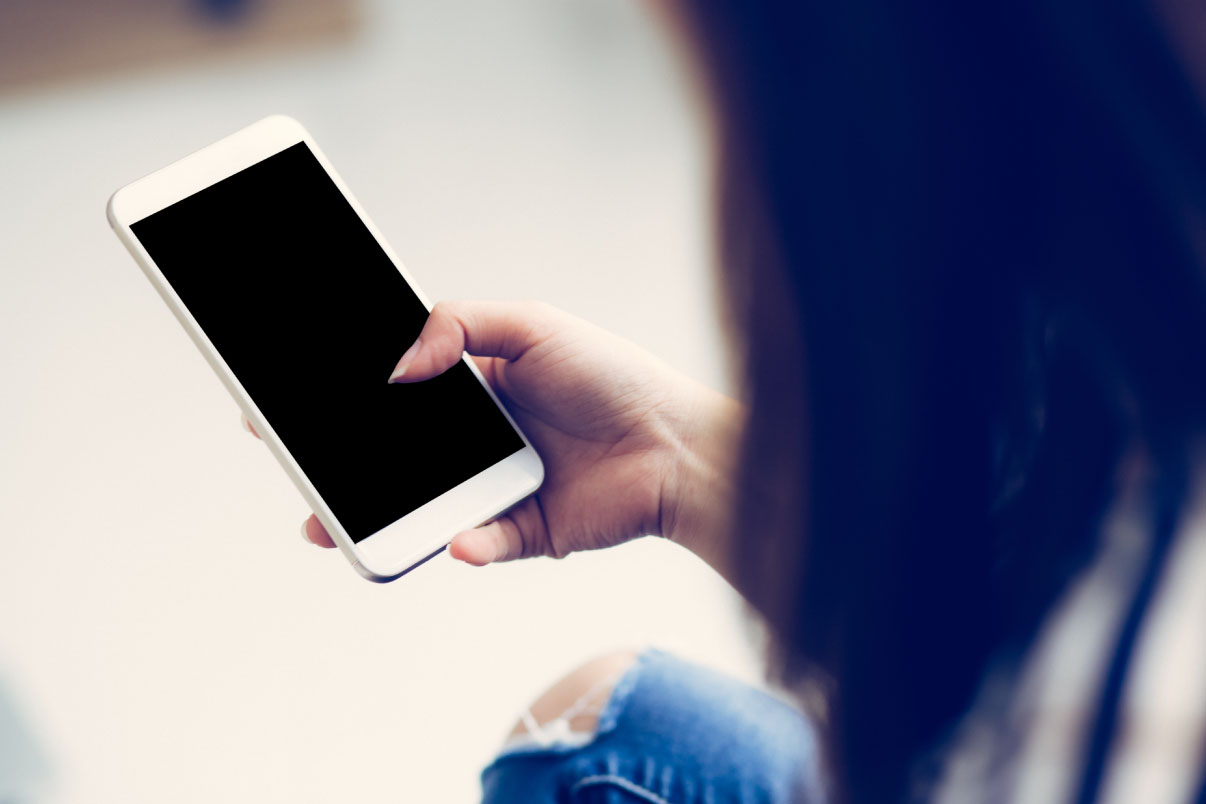
The secondhand phone market is booming and promises further growth in Brazil, mirroring international trends. Flávio Peres, CEO of Trocafone, the leading company for buying and selling used smartphones in the country, highlights that the sector has the potential to double in size in the coming years, following global trends.
The average Brazilian would need four salaries to buy a new iPhone. Therefore, a second-hand phone makes a lot of economic sense," Peres stresses.
A pioneer in the sector, Trocafone analyses the growth of the industry driven by the high cost of new devices and consumers' search for more affordable alternatives.
Impact of tariffs on electronics
Donald Trump officially announced, earlier this month, his plan to impose tariffs of 10% on Chinese imports, directly affecting Chinese smartphone companies like Xiaomi and the supply chains of brands such as Apple and Motorola. A study by the Consumer Technology Association (CTA) already projected that this measure could raise smartphone prices by up to US$1,400, while laptops and tablets could see increases of up to US$540. According to the CEO of Trocafone, the implementation of tariffs, particularly on Chinese products, will have a global impact, making new phone releases even less affordable and boosting demand for used and refurbished models.
"With the cost of new smartphones rising, the trend is that more consumers will opt for used and refurbished models, which offer excellent value for money and promote digital inclusion. Furthermore, it's a sustainable alternative that extends the lifespan of the devices," says Flávio Peres.
Growing demand and market opportunity
Smartphone reconditioning, which involves buying, repairing, and reselling used devices, is already a global phenomenon. According to IDCMore than 195 million used smartphones were sold worldwide in 2023, a 6.41% increase compared to 2022, with an estimated market value of US$72.9 billion. It's projected that this number will reach 257 million units by 2028, growing at a compound annual growth rate (CAGR) of 5.71% – more than double the rate of the new smartphone market, which is growing at 2.81%.
Companies like Back Market (France), Swappie (Finland), and Cashify (India) are experiencing rapid growth. Latin America is already the second-largest region globally for smartphone resale, with a 18% increase in sales in 2023, trailing only the Indian market, which grew by 19%, according to... **(Note): The "18%" and "19%" are likely errors in the original Portuguese text. They are not standard percentage or numerical formats. The translation reflects the assumed intention of a numerical growth figure, but the exact meaning remains unclear without the original context/source of the data.** Counterpoint Research.
In Brazil, the secondhand smartphone market still has significant growth potential. Currently, the penetration of reconditioned smartphones in the country is only 3.3%, significantly lower than the 26% in North America, according to Trocafone. "There's still considerable room for the Brazilian market to catch up to this growth rate, which is primarily driven by the need for more information about the advantages, both when choosing a used model and for generating extra income by selling devices stored at home," explains Peres.
Furthermore, the used smartphone market is becoming more structured and reliable, with refurbished devices now offered with invoices, warranties, and excellent condition. "This is a crucial differentiator for those seeking a quality phone at a more accessible price, while still ensuring the security of the process," concludes the CEO of Trocafone.


 Portuguese (Brazil)
  English
  Spanish
  German
  Chinese (Hong Kong)
  Russian
  Hindi
Hindi  French
  Italian
  Japanese
  Arabic
  Chinese (Taiwan)
  Bengali
  Bulgarian
  Czech
Czech  Danish
  Greek
Greek  Finnish
  Croatian
  Hungarian
  Indonesian
  Korean
  Lithuanian
  Dutch
Dutch  Norwegian
  Polish
  Portuguese (Angola)
  Portuguese (Portugal)
  Romanian
  Slovak
  Slovenian
  Swedish
  Thai
Thai  Turkish
  Ukrainian
  Vietnamese
  Chinese (China)