

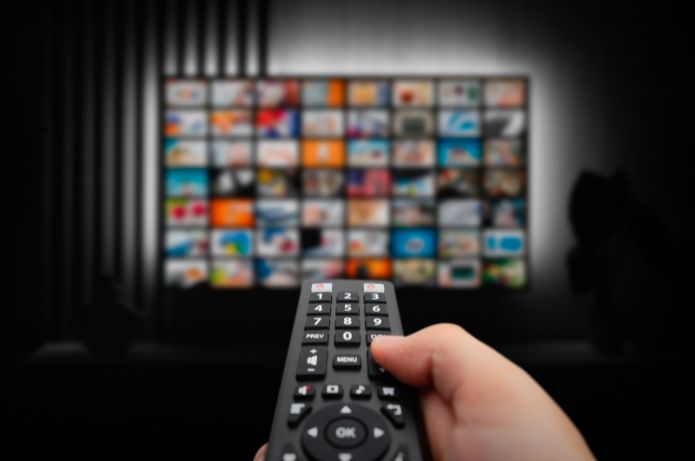
Smart TVs are transforming how we consume content and, increasingly, how we shop. This article explores the emerging phenomenon of smart TV shopping, its implications for retail and the consumer experience.
What are Smart TV Purchases?
Smart TV shopping refers to the ability to make commercial transactions directly through an internet-connected television. This functionality allows viewers to purchase products shown in programmes, films, or advertisements with just a few clicks of the remote control.
How does it work?
1. Content and Commerce Integration
TV programmes and advertisements are enhanced with interactive elements that allow viewers to access product information and make purchases without leaving the screen.
2. Shopping Apps
Many smart TVs come with pre-installed shopping apps, offering a browsing and purchasing experience similar to smartphones or tablets.
3. Recognition Technology
Some TVs use image recognition technology to identify products shown on screen, allowing viewers to obtain information or buy items they see on the TV.
4. Simplified Payment
Integrated payment systems enable fast and secure transactions, often with the option to save payment information for future purchases.
Advantages of Smart TV Shopping
1.зручність
Customers can shop without needing to switch devices, making the process smoother and more immediate.
2. Immersive Experience
Combining engaging visual content with immediate purchasing capabilities creates a more immersive shopping experience.
3. Purchase Impulse
The ease of purchase can capitalise on purchase impulses generated by watched content.
4. New Marketing Opportunities
For brands, it offers a new way to connect advertising with direct purchasing action.
5. Data and Analysis
Provides valuable data on consumer behaviour and the effectiveness of TV advertising.
Проблеми та міркування
1. Privacy and Security
Data collection on viewing and purchasing activity raises concerns about privacy and data security.
2. User Experience
The user interface should be intuitive and easy to navigate using a remote control, which can be challenging.
3. System Integration
Requires efficient integration between transmission systems, e-commerce platforms, and payment processing.
4. Consumer Adoption
There may be a learning curve for consumers unfamiliar with the technology.
Examples and Innovations
1. Amazon Fire TV
Allows users to buy Amazon products directly through their TV.
2. Samsung TV Plus
Offers dedicated shopping channels and integration with e-commerce platforms.
3. NBCUniversal's ShoppableTV
Technology that allows viewers to scan QR codes on the screen to buy products displayed on live programmes.
4. LG's webOS
Platform that integrates shopping applications and provides personalized recommendations based on viewing habits.
The Future of Smart TV Shopping
Advanced Personalisation
Use of AI to provide highly personalized product recommendations based on viewing habits and purchase history.
2. Augmented Reality (AR)
AR integration to allow viewers to "experience" products virtually before purchasing.
3. Voice and Gestures
The evolution of interfaces to include voice commands and gesture control, making the shopping experience even more intuitive.
4. Interactive Content
Development of programmes and advertisements specifically designed to integrate purchasing opportunities naturally.
Висновок
Smart TV shopping represents a significant evolution at the intersection of entertainment and e-commerce. As technology advances and consumers become more comfortable with this purchasing method, we can expect it to become an increasingly important part of the retail ecosystem.
For brands and retailers, this offers a unique opportunity to reach consumers in an immersive and highly engaging environment. For consumers, it promises a more convenient and integrated shopping experience within their media consumption.
However, the success of this technology will depend on the industry's ability to address privacy concerns, provide a superior user experience, and create content that integrates purchase opportunities in a natural and non-intrusive way.
As the lines between entertainment, advertising, and commerce continue to blur, smart TV shopping is poised to play a crucial role in shaping the future of retail and media consumption.

