


Dropshipping is a popular strategy in e-commerce because it allows entrepreneurs to sell products without needing to maintain physical inventory. This reduces initial costs and financial risk, making it an excellent option for new business owners. With few obstacles to overcome to get started, many people have turned to dropshipping as a way to make money online.
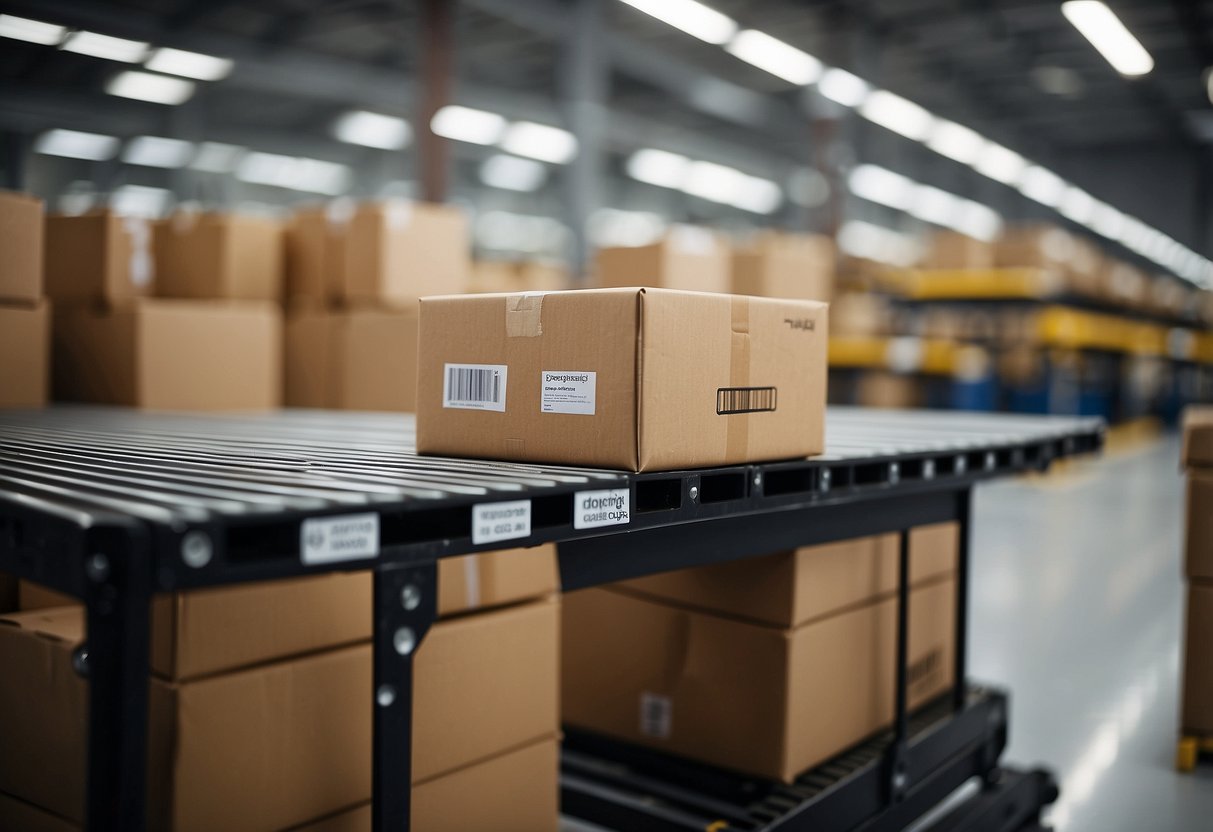
In the dropshipping model, the online store makes the sale and forwards the order to the supplier, who then ships the product directly to the customer. This method simplifies logistics and allows the retailer to focus on marketing and customer service. It's possible to manage a successful online store with just a laptop and an internet connection.
For those interested in expanding their e-commerce business or starting a new venture, dropshipping offers a viable opportunity. With low initial capital required and the ability to easily test new products, dropshipping can be the key to success in e-commerce.
Fundamentals of Dropshipping
Dropshipping is a business model in which the retailer does not keep products in stock, but rather ships them directly from the supplier to the customer. This model can offer several advantages, but it also comes with challenges.
Definition and Business Model
In dropshipping, the seller outsources the storage and shipping of products to third-party providers. Instead of buying and storing inventory, the retailer makes an agreement with suppliers who handle the logistics.
This model reduces financial risks, as the merchant only pays for the products after the sale. The profit margin is obtained by the difference between the wholesale price paid to the supplier and the retail price charged to the customer.
The main players in this process are the retailer, the customer, and the supplier. The retailer manages the sales and marketing platform, while the supplier takes care of production and delivery.
Advantages and Challenges
The main advantage of dropshipping is the low initial capital requirement. The retailer doesn't need to invest in inventory upfront, which reduces financial risk. The flexibility to add new products to the catalog is another significant advantage.
Advantages:
- Low initial cost: No need to buy inventory before sales.
- Catalog flexibility: Easy to add and remove products depending on demand.
- Reduced operational costs: Less need for physical space and inventory management.
Despite its advantages, dropshipping also presents challenges. Merchants have less control over inventory and product quality. Problems with suppliers can lead to delivery delays and customer dissatisfaction.
Challenges:
- Limited control: Dependence on suppliers for quality and delivery.
- Lower profit margins: Fierce competition can reduce profits.
- Logistical problems: When a supplier makes a mistake, the responsibility falls on the retailer.
Planning and Strategy

Planning and structuring a solid strategy is essential for success in dropshipping. Choosing a market niche, analyzing the competition, and defining a pricing strategy are crucial components in this process.
Choosing a Market Niche
Choosing a market niche should be done carefully, based on detailed research. Identifying a niche with stable demand and little competition can increase the chances of success. Tools like Google Trends and SEMrush help analyze product popularity.
Some factors to consider include:
- Market Size: Ensure there is sufficient demand to sustain the business.
- Affinity: Choosing a niche where you can develop both knowledge and passion.
- Profitability: Assess the potential profit margin.
Focusing on a niche allows for a more targeted and efficient marketing strategy, optimizing resources.
Competitive Analysis
Analyzing the competition is fundamental to understanding the market. Observing competitors can reveal opportunities and threats. Using tools like SimilarWeb and Ahrefs helps to study competitors' traffic and marketing strategies.
Key aspects of the analysis:
- Pricing Structure: Compare the prices charged by competitors.
- Marketing: Observe advertising campaigns and SEO strategies.
- Customer Service: Analyze customer feedback to identify strengths and weaknesses.
This analysis allows the business to position itself competitively, offering something unique or better.
Pricing Strategy
Defining an effective pricing strategy is vital. The price must cover costs and provide profit, while remaining competitive. Tools like Shopify and Oberlo help in pricing, considering product costs, shipping fees, and profit margins.
Essential considerations:
- Cost and Performance: Ensuring that the price covers all costs involved and still generates profit.
- Market Comparison: Aligning prices with those practiced in the market.
- Special Offers: Use discounts and promotions strategically to attract customers.
A good pricing strategy not only attracts customers but also ensures the sustainability of the business over time.
Operationalizing Dropshipping

Operationalizing dropshipping involves several essential aspects such as the correct selection of suppliers, managing the relationship with them, the order and payment process, and the logistics of shipping the products.
Supplier Selection
Choosing the right suppliers is crucial for success in dropshipping. They must be reliable and offer quality products. Researching reviews from other entrepreneurs is helpful.
In addition, it's important to consider the location of suppliers to avoid long delivery times. Another tip is to check the supplier's return and exchange policies.
Negotiating prices and payment terms also contributes to more attractive profit margins. Using platforms like AliExpress and Oberlo makes it easier to find suppliers.
Supplier Relationship Management
Maintaining a good relationship with suppliers ensures speed and efficiency. Frequent and clear communication prevents many problems.
It is essential to align expectations regarding delivery times, product quality, and quantities. Using contracts formalizes agreements and protects both parties.
Management tools like Trello or Slack help in coordinating activities and maintaining good relationships. Regular meetings are also recommended to address emerging issues or discuss improvements.
Order and Payment Process
The ordering process must be transparent and efficient. Upon receiving an order, the retailer must immediately forward it to the supplier.
Automating this process with plugins or ERP systems reduces errors and speeds up operations. Monitoring each step, from order to delivery, ensures that everything goes as planned.
Payment should be made according to the previously negotiated terms. Payment methods such as PayPal and bank transfer are commonly used. Keeping detailed records of payments helps with financial organization.
Logistics and Product Shipping
In dropshipping, logistics are the supplier's responsibility, but the retailer must monitor the entire process. Checking delivery times and shipping costs is vital.
Choosing suppliers that offer various shipping options allows you to tailor costs to the customer's budget. Keeping the customer informed about order tracking increases trust.
Quickly resolving delivery issues, such as delays or losses, demonstrates efficiency and professionalism. Reverse logistics programs, when necessary, should also be well-structured.
Setting up the online store
Setting up an online store involves strategic decisions about the e-commerce platform, website design and usability, as well as the integration of essential tools. Each step is important to ensure a satisfactory shopping experience for customers.
Choosing an E-commerce Platform
Choosing an e-commerce platform is one of the first steps. Popular platforms include Shopify, WooCommerce, and Magento. Each has its advantages.
Shopify is known for its ease of use and customization options. WooCommerce integrates well with WordPress, allowing for greater flexibility for those already using that platform. Magento is robust, ideal for larger stores that require advanced features.
Important criteria:
- Ease of use: The interface should be intuitive.
- Security: Make sure the platform offers protection against fraud.
- Scalability: It must support business growth.
Website Design and Usability
Website design directly impacts user experience. It should be visually appealing and functional. Essential elements include:
- Simple Navigation: Clear and well-organized menus.
- Responsive Layout: The website should function well on both mobile devices and desktops.
- Loading Speed: Fast pages keep users engaged.
- Payment Options: Offering various payment options increases the conversion rate.
- Product Images and Descriptions: High-quality photos and detailed descriptions help customers make decisions.
Visual cohesion, with harmonious colors and fonts, is also crucial for brand identity.
Required Integrations
Integrations make business management easier. Some essential integrations include:
- Marketing Tools: Such as Google Analytics and MailChimp for data analysis and email campaigns.
- Payment Gateways: Such as PayPal, PagSeguro, or Stripe, essential for secure transactions.
- Logistics Systems: Integrations with carriers to manage deliveries and tracking.
Other important integrations are with ERP and CRM , which help with inventory management and customer relationship management, respectively. These tools automate processes, reducing errors and increasing efficiency.
Digital Marketing for Dropshipping

Digital marketing is crucial to the success of a dropshipping store. It involves various strategies that increase online visibility and attract potential customers.
SEO strategies
SEO (Search Engine Optimization) is essential for your dropshipping store to appear in top search results. This includes choosing relevant keywords for your niche and your website content
It's important to conduct keyword research using tools like Google Keyword Planner to identify terms your target audience is searching for. Additionally, the proper use of meta descriptions and optimized titles improves visibility.
Paid Advertising
Paid advertising can accelerate the growth of your dropshipping store. Platforms like Google Ads and Facebook Ads allow you to precisely target your audience, increasing the chance of conversions.
When creating a campaign on Google Ads, it's essential to set a daily budget and monitor key performance indicators (KPIs) such as cost per click (CPC) and conversion rate. Facebook Ads offers detailed demographic targeting , allowing you to reach specific consumers.
Content Marketing
Content marketing helps build authority and trust in your market niche. Blogs, videos, and infographics are effective formats for engaging your audience.
A well-structured blog can drive organic traffic to your store, while YouTube videos can improve audience engagement and retention . Infographics are great for distributing on social media, helping to increase brand awareness.
Use of Social Networks
Social media platforms like Instagram , Facebook , and Pinterest are powerful tools for dropshipping marketing. Create engaging posts that capture the attention of your target audience.
Instagram Shopping allows consumers to buy directly from posts, while Facebook offers tools to create online stores. Pinterest can drive qualified traffic, especially if your products are visually appealing.
Performance Management and Analysis

Effective management and rigorous performance analysis are fundamental to success in dropshipping. Achieving a clear understanding of key indicators, analytical tools, and optimization techniques allows for more assertive decision-making.
Monitoring Key Performance Indicators
Monitoring KPIs is vital for evaluating the performance of a dropshipping business. Common indicators include conversion rate, ROI, average order value, and customer acquisition cost. Paying attention to the performance of each product and channel helps identify areas for improvement and success.
A good KPI dashboard should be updated in real time to allow for quick action. Tools such as Google Analytics and ERPs specifically designed for e-commerce are frequently used.
Data Analysis Tools
There are several tools that assist in data analysis for dropshipping. The use of Google Analytics , Shopify Analytics , and other platforms integrated with e-commerce facilitates data collection and visualization. These tools allow for detailed tracking of customer behavior and website performance.
Another useful tool is Hotjar , which offers heatmaps and session recordings to understand how users interact with the store. This analytics is crucial for adjusting strategies and improving the user experience.
Continuous Optimization Techniques
Continuous optimization involves frequent testing and adjustments. Techniques such as A/B testing , SEO adjustments, and social media ad optimization are essential. Implementing small changes regularly and measuring their impact is a best practice. For example, changing product titles or descriptions can significantly increase conversions.
Another technique is to review and adjust prices based on demand and competitor behavior. Using customer feedback to improve products and services also contributes to continuous improvement.
Legal and Tax Aspects
When starting a dropshipping business, it's vital to understand business regulations and tax obligations. This ensures legal operations and avoids future problems.
Business Regulations for Dropshipping
Entrepreneurs need to comply with e-commerce laws. In Brazil, it is mandatory to register the company with the CNPJ (Brazilian National Registry of Legal Entities) and obtain specific licenses. Complying with the Consumer Protection Code (CDC) is essential to avoid litigation.
Furthermore, it is necessary to clearly state the delivery time and return policy. E-commerce websites must comply with the E-commerce Law (Decree 7.962/2013). Contracts with international suppliers must be reviewed, ensuring that products meet local standards.
Related Tax Issues
Taxation in dropshipping includes taxes such as ICMS, PIS, and COFINS. Importing products requires payment of Import Tax (II) and IPI. The company must register with the Federal Revenue Service and stay informed about changes in tax legislation.
There are also simplified tax regimes, such as the Simples Nacional. This regime reduces tax complexity, but it is necessary to be aware of its limitations. Proper tax documentation is crucial to avoid penalties and ensure operational transparency.
Customer Service and After-Sales Support

Customer service and after-sales support are crucial to the success of a dropshipping business. These aspects ensure customer satisfaction and loyalty.
Establishing Return and Refund Policies
Setting clear return and refund policies is essential to avoid misunderstandings. Make sure customers know exactly what to do if they wish to return a product.
List the items that are eligible for return and set specific deadlines, such as 30 days after purchase. Specify the conditions of the products, for example, whether they must be in perfect condition with the original packaging.
It's important to include detailed instructions on how to request a refund. Make it clear how long the process will take and how the customer will receive the refund, whether via credit card, store credit, or another method.
Customer Support Channels
Offering multiple customer support channels helps resolve issues efficiently. Include options such as email, live chat, and phone support.
Emails are suitable for less urgent inquiries, while live chat is ideal for issues requiring immediate attention. Phone support is useful for more complex problems or for customers who prefer more direct interaction.
Provide clear hours of operation and ensure that support representatives are trained to respond efficiently and politely. feedback is essential for continuously improving these services.
Building Customer Relationships
Maintaining and nurturing a good relationship with customers is vital. Use personalization techniques, such as follow-up emails after a purchase, to show that the company cares.
Create loyalty programs or offer exclusive discounts to repeat customers. This encourages repeat purchases and increases brand loyalty.
Engage on social media by responding to customer comments and messages promptly. These actions demonstrate attentiveness and availability, strengthening customer trust in the brand.
Trends and Innovations in Dropshipping

Dropshipping continues to evolve with new technologies and a growing emphasis on sustainability. These changes directly impact the efficiency and responsibility of e-commerce operations.
Emerging Technologies
Artificial intelligence (AI) is being used to predict product demand and optimize inventory in real time. This reduces the risk of product shortages and minimizes storage costs.
Automation improves efficiency, especially in customer service and order management processes. Chatbot tools, for example, provide instant answers to customer inquiries.
Augmented Reality (AR) allows consumers to virtually experience products before buying. This is particularly useful in sectors such as fashion and home decor.
management platforms are becoming increasingly sophisticated, offering integration with multiple sales channels and a centralized view of the business.
Sustainability in E-commerce
Sustainability is an increasingly important issue in dropshipping. Consumers are demanding eco-friendly packaging and sustainable products .
Reducing carbon emissions is a key goal, with many companies seeking local suppliers to lessen their transportation footprint. This not only protects the environment but can also reduce delivery times.
Transparency in sourcing practices is another important trend. Companies are offering more information about the origin of products and the working conditions involved in their production, which increases consumer confidence.
Conclusion

Dropshipping for e-commerce offers attractive benefits for entrepreneurs looking to reduce initial costs. Without the need to stock products, it's possible to test different market niches with less financial risk.
Implementing dropshipping requires careful selection of suppliers. They must be reliable to guarantee product quality and on-time deliveries. Good communication with suppliers is essential for resolving potential problems quickly.
Digital marketing is essential for success in dropshipping. Investing in SEO strategies, social media, and paid advertising can attract more customers to the online store. Customer reviews and feedback help build a solid reputation in the market.
Automating processes as much as possible can save time and reduce errors. Order management software and integration with sales platforms make business administration easier.
Legality and regulations also need to be considered. Ensuring that all products comply with local regulations avoids legal problems. Furthermore, a clear return policy increases consumer confidence.
Dropshipping is not a guaranteed success model, but with research, dedication, and good management, it can be a valuable opportunity. Proper preparation and adapting to market changes are important steps in the entrepreneurial journey.

