

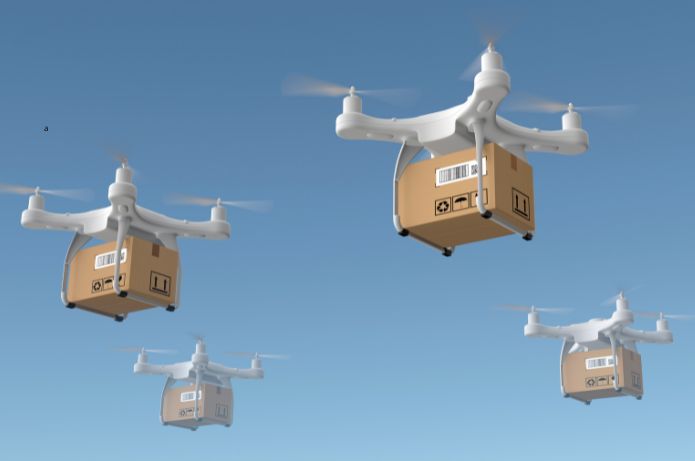
The exponential growth of e-commerce in recent years has driven the search for innovative and efficient solutions to meet the growing demand for fast and convenient deliveries.In this context, automated deliveries, made through autonomous vehicles and drones, are emerging as a promising trend that promises to revolutionize e-commerce logistics.
Autonomous Vehicles: The Future of Urban Delivery
Autonomous vehicles, also known as driverless vehicles, are one of the main bets for the future of urban deliveries.Fitted with advanced sensor, camera and artificial intelligence technologies, these vehicles are able to autonomously navigate the streets, avoiding obstacles and adapting to real-time traffic conditions.
Benefits of Autonomous Vehicles:
1. Efficiency: Autonomous vehicles can operate 24 hours a day, 7 days a week, without the need for rest breaks, increasing the efficiency of deliveries.
2. Cost Reduction: Eliminating the need for human drivers can lead to a significant reduction in the operational costs of logistics companies.
3. Safety: With the elimination of human error, autonomous vehicles have the potential to reduce accidents and increase road safety.
4. Less congestion: Optimizing routes and coordinating autonomous vehicles can contribute to reducing congestion in cities.
Drones: Delivering Speed and Convenience
Another technology that is gaining prominence in automated deliveries are drones.These unmanned, remotely controlled aircraft are capable of transporting light packages directly to the delivery location, offering speed and convenience to customers.
Benefits of Drones:
1. Fast Deliveries: Drones can cover short distances in a significantly shorter time than traditional vehicles, enabling ultra-fast deliveries.
2. Remote Area Reach: Drones can access hard-to-reach areas such as rural areas or isolated locations, extending the range of deliveries.
3. Traffic Reduction: By utilizing airspace, drones avoid congestion of land routes, contributing to logistics efficiency.
4. Lower Carbon Footprint: Electric drones emit less pollutants than traditional delivery vehicles, contributing to environmental sustainability.
Challenges and Considerations
Despite the promising benefits, implementing automated deliveries with autonomous vehicles and drones still faces some challenges:
1. Regulation: It is necessary to establish a clear and comprehensive regulatory framework to ensure the safety and responsible operation of these technologies.
2. Infrastructure: Large-scale adoption of autonomous vehicles and drones requires investments in appropriate infrastructure such as charging stations and landing areas.
3. Public Acceptance: It is important to address societal concerns regarding privacy, security and impact on the labor market.
Automated deliveries, through autonomous vehicles and drones, represent a significant step towards the future of logistics in e-commerce. These technologies promise to revolutionize the way products are delivered to consumers, offering unprecedented efficiency, speed and convenience.However, it is critical to address regulatory, infrastructure and public acceptance challenges to ensure a successful and sustainable adoption of these innovative solutions.As e-commerce continues to grow, automated deliveries will certainly play an increasingly important role in how we shop online.

