

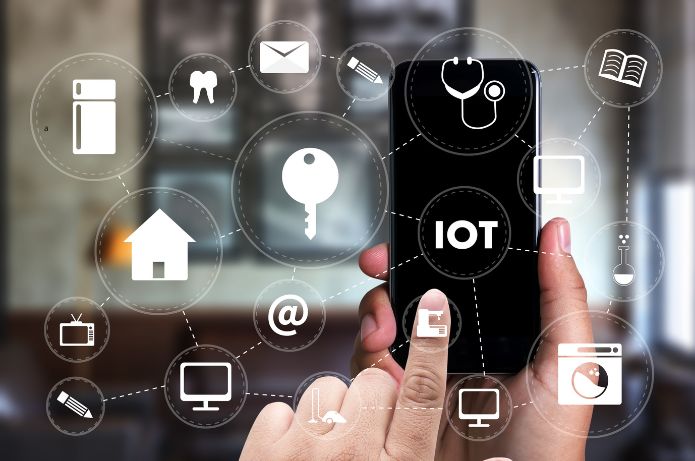
the convergence of e-commerce (and e-commerce) With the Internet of Things (IoT) it is redefining the shopping experience and revolutionizing the way companies operate in the digital world. This integration promises to create a smarter, more efficient and personalized retail ecosystem, benefiting both consumers and retailers.
The IoT, which refers to the network of physical devices connected to the Internet, is making it possible to collect and analyze real-time data on an unprecedented scale. When applied to e-commerce, this technology offers valuable insights into consumer behavior, purchase preferences and product usage patterns, allowing companies to optimize their marketing and sales strategies.
One of the most promising aspects of this integration is the concept of “contextual purchases”. IoT devices, such as smart refrigerators, can monitor food consumption and order automatically when supplies are low. Voice assistants like Alexa or Google Home can facilitate voice command purchases, making the buying process more convenient and integrated into the everyday life of consumers.
Personalization is another area where e-commerce integration with IoT is making major strides. Sensors on wearable devices can collect data on user preferences and habits, allowing e-commerce platforms to offer highly customized product recommendations. For example, a smartwatch that monitors physical activity may suggest sports equipment or nutritional supplements appropriate to the user's exercise regimen.
Within the scope of logistics and inventory management, IoT is transforming the operational efficiency of e-commerce. Warehouse sensors can track inventory levels in real time, automate replenishment, and optimize storage space usage. On delivery, IoT devices can provide real-time package tracking of packages, improving transparency and customer satisfaction.
Integration is also impacting the shopping experience in physical stores. Beacons and sensors can detect when a customer enters the store and sends personalized offers to their smartphones based on their online shopping history. Smart mirrors in fitting rooms can suggest complementary items or allow customers to request different sizes or colors without leaving the fitting room.
Predictive maintenance is another significant benefit of this integration. Connected products can alert manufacturers of potential issues before they occur, enabling proactive interventions and improving customer satisfaction. This also provides manufacturers with valuable product usage data, which can report future design and development improvements.
However, the integration of e-commerce with IoT also presents challenges. Data security and privacy are primary concerns given the volume and sensitivity of the collected information. Companies need to implement robust cybersecurity measures and ensure compliance with data protection regulations.
Interoperability is another challenge, as different devices and platforms need to communicate effectively. Adopting common standards and open protocols will be crucial to ensure seamless integration.
In addition, there are ethical issues to consider. The ability to influence consumer buying decisions through IoT devices raises questions about consumer autonomy and potential manipulation. Companies will need to find a balance between convenience and respect for consumer choice.
The future of e-commerce integration with IoT promises even more immersive and personalized shopping experiences. Emerging technologies such as Augmented Reality (AR) and Virtual Reality (VR) can be combined with IoT data to create highly customized virtual shopping experiences. Imagine tasting clothes virtually on an avatar based on your exact measurements, or visualizing how a piece of furniture would look like in your home before buying it.
Artificial Intelligence (AI) will play an increasingly important role in this integration, analyzing the vast volumes of data generated by IoT devices to predict trends, optimize prices in real time and customize the shopping experience to an unprecedented level.
In conclusion, the integration of e-commerce with IoT is creating a new paradigm in digital commerce, where the boundaries between the physical and the digital become increasingly diffuse. This convergence offers exciting opportunities to improve the customer experience, increase operational efficiency and create new business models. However, to fully leverage these benefits, companies will need to carefully navigate the associated technical, ethical and security challenges. Those who succeed in doing so will be well positioned to lead the next era of e-commerce.

