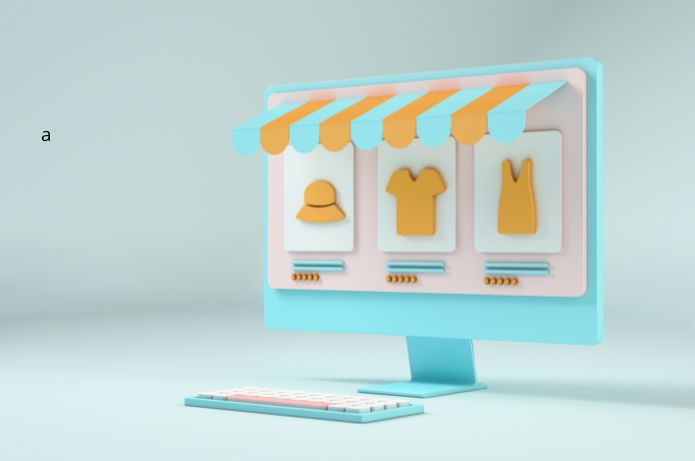
The evolution of e-commerce has been driven by the constant search for innovations that improve the customer experience and increase sales. In this context, mixed reality technologies have emerged as a powerful tool to transform the way consumers interact with products online. This article explores the adoption of these technologies in e-commerce, their benefits and challenges, and how they are shaping the future of online shopping.
What is Mixed Reality?
Mixed reality is a combination of virtual reality (VR) and augmented reality (AR). While VR creates a completely immersive digital environment, AR overlays digital elements onto the real world. Mixed reality allows for interaction between virtual and real objects in real time, creating a hybrid and interactive experience.
Applications in E-commerce
1. Product visualization: Mixed reality allows customers to visualize products in 3D, in real size and in their own environment, before making a purchase. This is especially useful for items such as furniture, appliances, and home decor products.
2. Virtual try-on: For products such as clothing, accessories, and cosmetics, mixed reality allows customers to virtually try on the items using 3D models or real-time projections.
3. Virtual showrooms: Online stores can create immersive virtual showrooms where customers can explore and interact with products as if they were in a physical store.
4. Purchase assistance: Mixed reality-based virtual assistants can guide customers through the purchase process, providing product information, personalized recommendations, and customer support.
Benefits for E-commerce
1. Increased customer confidence: By allowing customers to view and experience products virtually, mixed reality reduces the uncertainty associated with online shopping and increases confidence in the purchase decision.
2. Reduced returns: With a better understanding of the product before purchase, customers are less likely to make returns, which reduces costs and logistical complexity for online retailers.
3. Competitive differentiation: The adoption of mixed reality technologies can differentiate an online store from its competitors, offering a unique and engaging shopping experience.
4. Increased sales: The immersive and interactive experience provided by mixed reality can lead to an increase in conversion rates and average purchase value.
Challenges and Considerations
1. Cost: Implementing mixed reality technologies can be expensive, especially for small and medium-sized e-commerce businesses.
2. Device compatibility: Ensuring that mixed reality experiences are accessible and work seamlessly across a wide range of devices can be a challenge.
3. Content creation: Developing high-quality 3D models and immersive experiences requires specialized skills and can be time-consuming.
4. User adoption: Not all customers may be familiar with or comfortable using mixed reality technologies, which could limit widespread adoption.
The adoption of mixed reality technologies in e-commerce has the potential to revolutionize the online shopping experience, making it more engaging, interactive, and customizable. While there are challenges to overcome, online retailers who embrace these technologies can differentiate themselves, increase customer satisfaction, and boost sales. As mixed reality continues to evolve and become more accessible, it is likely to become an integral part of the e-commerce landscape in the future.