

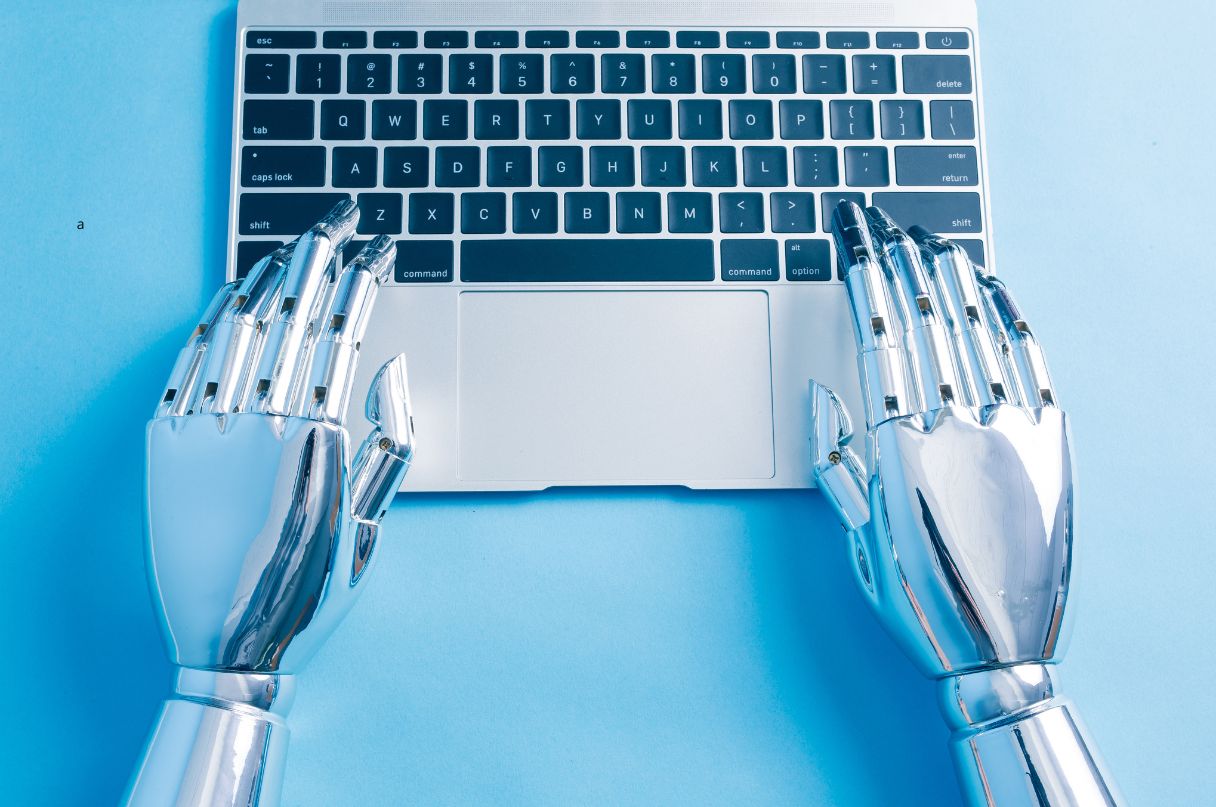
The advancement of Artificial Intelligence (AI) is reshaping how we work and make decisions, making human skills the key distinguishing factor in organizations. According to the World Economic Forum's Future of Jobs Report 2025, 39% of workers' current skills will be transformed or replaced by 2030. Among the most valued are precisely those that technology cannot replicate, such as analytical thinking, creativity, empathy, adaptability, and social leadership.
The report also reveals that 85% of companies plan to prioritize human development and team reskilling by 2030, recognizing that the behavioral skills gap is one of the main obstacles to organizational transformation. Amid the expansion of generative AI and automation, there is a growing perception that the future of work will depend on the integration between technology and humanity.
For Pablo Funchal's, CEO of Fluxus Corporate Education, specialized in leadership development, The challenge for modern leaders is to learn how to unite performance and purpose. “Artificial intelligence is transforming tasks and decisions, but it does not replace what is most essentially human: consciousness, empathy, and purpose. The leadership of the future will be capable of combining technological fluency with emotional depth,” it states.
With over a decade of experience in developing conscious leadership and healthy organizational cultures, Fluxus has conducted programs focused on self-awareness, empathy, communication, and social influence, such as the Leaders Academy and the Women's Leadership program, which have impacted over 30,000 people, reinforcing its commitment to empathetic and structured communication.
According to Pablo Funchal's, more than keeping up with AI, it is necessary to relearn how to be human at work. “Technology expands our capacity to act, but it is the human perspective that gives meaning and direction. Listening with empathy, sustaining trust-based relationships, and creating continuous learning environments are skills that will define the most relevant leaders of the next decade,” it concludes.

