

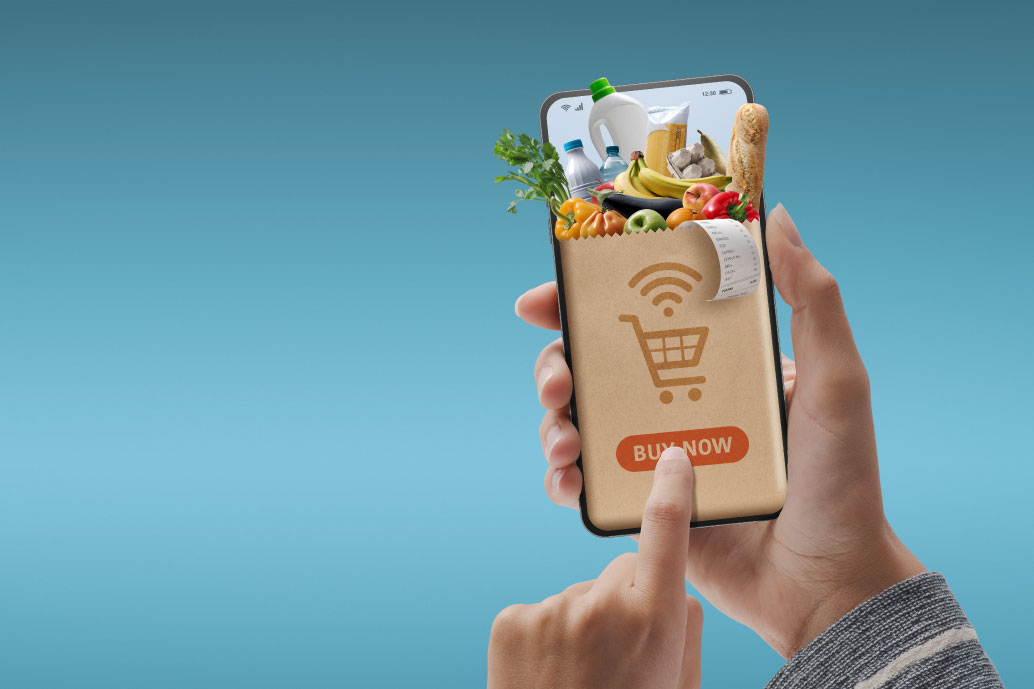
In Brazil, 84.1% of e-commerce traffic already originates from mobile devices, according to data from [Source missing]. Kobe Apps, a platform for creating and managing retail applications. However, despite the predominance of smartphone access, the conversion rate is still 1.6 times higher on desktop. This contrast reveals a critical bottleneck: most retailers still face technical and usability challenges in the mobile environment, especially in responsive web versions and poorly optimized applications.
"Many brands still treat the mobile experience as an adapted extension of the desktop, which compromises performance," says Bruno Bulso, COO and co-founder of Kobe Apps. "Currently, 90% of the time Brazilians spend on their cell phones is within apps, but only 15% of retailers have a properly structured app of their own. A huge opportunity is being wasted."
The study points out that obstacles such as long loading times, unintuitive navigation, and inconsistencies in pricing and stock data hinder the purchasing journey. According to Bulso, this occurs in both mobile websites and apps with low functionality. "Applications need to reflect business rules with simple architecture, integrated journeys between physical and digital channels, and performance that eliminates any friction," he emphasizes.
Cases like that of the Festval supermarket chain, which also integrates Soul Festival Club coupons, show that efficient apps generate a direct impact on sales. The Club registered a 52.31% increase in digital participation via app and attracted 41,000 new users in a single month. The Festval app exceeded 301% digital share, starting from a base of only 51%.
For Kobe Apps' executive, the numbers show that having a well-structured app is more than just convenient; it's a crucial strategy for competitiveness. "Companies that prioritize the mobile experience reap significant rewards, with greater customer loyalty, journey control, and a direct impact on revenue," concludes Bulso.


 Português do Brasil
  English
  Español
  Deutsch
  香港中文
香港中文  Русский
  हिन्दी
  Français
  Italiano
  日本語
日本語  العربية
  繁體中文
繁體中文  বাংলা
বাংলা  Български
  Čeština
  Dansk
Dansk  Ελληνικά
  Suomi
Suomi  Hrvatski
  Magyar
  Bahasa Indonesia
  한국어
한국어  Lietuvių kalba
  Nederlands
  Norsk bokmål
  Polski
  Português de Angola
  Português
  Română
  Slovenčina
  Slovenščina
  Svenska
  ไทย
ไทย  Türkçe
  Українська
  Tiếng Việt
  简体中文
简体中文