

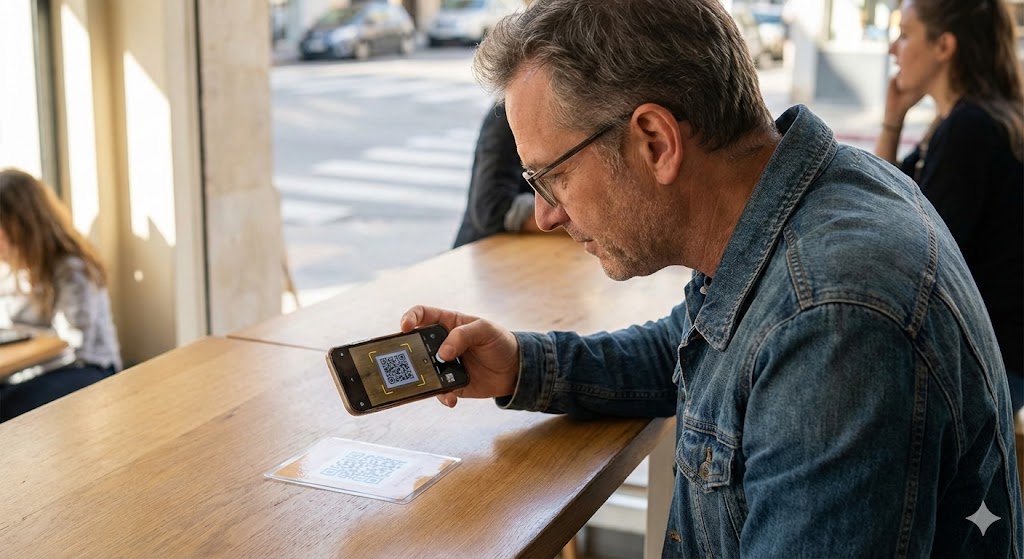
Brazilian retail is entering a new phase of omnichannel transformation. By 2026, the integration between physical stores, e-commerce, and marketplaces will no longer be a competitive differentiator but rather a consumer demand, driven by customers who are increasingly connected, immediate, and demanding. In this scenario, process automation and real-time data usage become essential to ensure a seamless and consistent experience across all touchpoints.
Consumer behavior has changed. Today, customers research online, purchase via apps, pick up in-store, and expect personalized service—all without friction. To cater to this hybrid journey, companies need integrated systems, complete inventory visibility, synchronized logistics, and the ability to make rapid, data-driven decisions.
According to industry experts, by 2026, omnichannel will no longer be just a commercial strategy but a technological architecture. “It's no longer about being present on multiple channels, but about ensuring all of them communicate with each other in real time,” explains Abner Reis, Head of Products at Globalsys, a Brazilian company specializing in technology solutions for retail.
Automation and data at the core of operations
The new phase of omnichannel retail is primarily driven by automation and the intelligent use of data. System integration tools enable instant updates of sales, inventory, logistics, and consumer behavior information, reducing stockouts, delays, and communication failures between channels.
“When retailers work with real-time data, they can anticipate demand, personalize offers, optimize inventory, and significantly improve the customer experience. This directly impacts consumer satisfaction and business results,” states the executive.
What changes in omnichannel by 2026
Among the key changes in omnichannel retail for 2026 are:
- Greater integration between legacy systems, digital platforms, and marketplaces
- Intensive use of data for commercial and operational decisions
- More personalized and consistent customer experience across all channels
- Growing adoption of IT outsourcing to ensure scalability and continuous innovation
With extensive experience in system integration and automation, Globalsys acts as a strategic partner for retail companies seeking to evolve their omnichannel operations. The company supports businesses in building more integrated, secure, and adaptable technological environments to keep pace with changes in consumer behavior. “The consumer is already omnichannel. It is up to companies to follow this trend with technology, efficient processes, and strategic vision,” concludes Abner.


 Portuguese (Brazil)
  English
  Spanish
  German
  Chinese (Hong Kong)
  Russian
  Hindi
Hindi  French
  Italian
  Japanese
  Arabic
  Chinese (Taiwan)
  Bengali
  Bulgarian
  Czech
Czech  Danish
  Greek
Greek  Finnish
  Croatian
  Hungarian
  Indonesian
  Korean
  Lithuanian
  Dutch
Dutch  Norwegian
  Polish
  Portuguese (Angola)
  Portuguese (Portugal)
  Romanian
  Slovak
  Slovenian
  Swedish
  Thai
Thai  Turkish
  Ukrainian
  Vietnamese
  Chinese (China)