

Brazil is among the 10 countries that waste the most food in the world, according to the UN (United Nations Organization) ranking. There are 46 million tons of food per year thrown in the trash, according to a survey by IBGE (Brazilian Institute of Geography and Statistics).
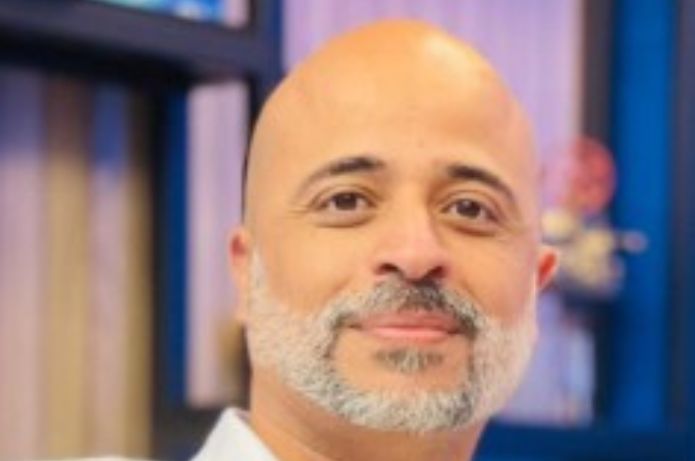
With an eye on these numbers and with the purpose of creating a sustainable business that combats food waste and still generates profit, the entrepreneur Jeff Alves's with more than 30 years in the technology area, he created the ifephos (ifefo.com.br ). The startup connects large industries with retail (from large to medium-sized retailers) to negotiate competitive prices and offer to the end consumer.
Last year, ifefo earned R$ 280 million and since January, the company has been registering a growth of 30% month by month. The forecast is that the revenue in 2024 is between R$ 330 and R$ 380 million. “A we see the industry's inventory, offer to retail, who buys the products online and receives anywhere in the country”, says Jeff Alves.
Among the major companies that make up the ifefo marketplace are: Kellanova, Danone, Nestle, Minalba, Unilever, Vapza, Mars, Sferrie, Unibaby, Carolina, Goldko, D’osto, The Bulldog Energy Drink and Bimbo Group.
The latter even entered into a partnership with the company for distribution exclusive online product line Takis, which includes the globally famous tortillas hot chilli (spicy), xplosion (very spicy) and fuego (extremely spicy). Success in thirty countries, the snack has already given signs of success and fell in the taste of the public that consumes this type of food.
The entrepreneur says that there are more than 10 thousand items from major brands that can be purchased on the platform or on the iFefo website with up to 70% discount.The attractive prices obtained in the partner industries by the company come from products that are with the expiration date close to expiration.However, the company has grown and today also offers products within the validity.
It is worth noting that these expired products would be incinerated or discarded by the industry before ifefo connects the two ends.“If the retailer does not agree with the amount being charged, he can still make a counteroffer that will be analyzed by our artificial intelligence. After the negotiation, he will receive the product at his address.”
Since 2019, there are already more than 200 thousand CNPJs registered in operations in more than 4 thousand cities. “At ifefo, all products deserve a second chance. jeff says, There are more than 150 tons of product weekly re-placed between advanced and initial validities, including non-standard and discontinued products.
Artificial intelligence from ifefo suggests product combos and custom pricing for each type of customer with assertiveness of 92% and return rate to 96% platform.
Next steps
Inspired by Muhammad Yunus, 83, who won the Nobel Peace Prize in 2006 for creating the “bank for the poor”, a microcredit system responsible for lifting millions of people out of poverty, Jeff's next step is to expand ifefo's operations and turn it into a bank.
“a ifefo will become a bank that will provide services such as loans, bill payments and other services that traditional and digital banks offer
Also in 2024, ifefo plans to offer other benefits to retailers, including life insurance, health insurance and discount in gyms.
“We are in negotiation with some segments and, soon, this will allow us to open the range of operations. Our expectation is that in the coming years ifefo will be the largest ecosystem of services with artificial intelligence focused on retail in Latin America”, concludes Jeff.


 Portuguese (Brazil)
  English
  Spanish
  German
  Chinese (Hong Kong)
  Russian
  Hindi
Hindi  French
  Italian
  Japanese
  Arabic
  Chinese (Taiwan)
  Bengali
  Bulgarian
  Czech
Czech  Danish
  Greek
Greek  Finnish
  Croatian
  Hungarian
  Indonesian
  Hebrew
  Korean
  Lithuanian
  Dutch
Dutch  Norwegian
  Norwegian
  Polish
  Portuguese (Angola)
  Portuguese (Portugal)
  Romanian
  Slovak
  Slovenian
  Swedish
  Thai
Thai  Turkish
  Ukrainian
  Vietnamese