

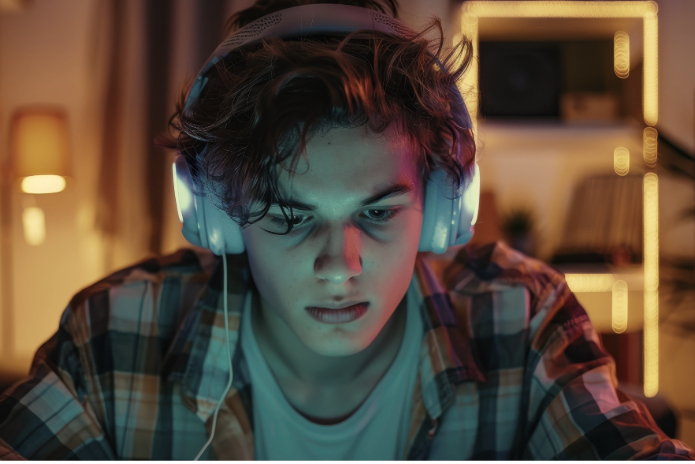
Generation Z is changing the logic of retail: from a one-off transaction to an ongoing conversation.For consumers between the ages of 18 and 26, discovering, evaluating, and buying a product needs to follow a flow as natural as talking to friends.
And at a time when everything seems to be automated by AI, this audience makes it clear: they want relationships, not just automation.
Zenvia, a company with more than 22 years listed on Nasdaq, points out that the turn is not to open more channels, but to integrate the journey into a unique conversational experience, where service, sales and after-sales are part of the same flow.
Buying as conversation: the behavior that redefines the journey
Generation Z grew up with instant messaging, social networks and creators as consumer curators. According to data from PwC, 44% of young Brazilians prefer to solve doubts with brands by messages, not by links. And WhatsApp remains dominant 'Brazil is the second largest market of the app in the world, with more than 120 million users, according to Anatel.
The result is direct: the conversation became the decisive point of the purchase. This is where the Gen Z consumer compares, asks for opinion, seeks discount, confirms inventory and continues (or interrupts 'the journey.
For this audience, service is not an isolated step: it is an essential part of the shopping experience.
The most common retail mistake: focusing on the showcase, forgetting the dialogue
Even with accelerated digitalization, many retailers still structure their strategies as if the customer walked a straight line: ad click buy. But the real journey of Gen Z is circular, fragmented and guided by message exchanges.
Zenvia identifies three frequent friction points for this audience:
Wrong pace: generation Z abandons conversations when the response takes more than a few minutes.
Lack of contextual personalization: generic offers are ignored; the customer expects the brand to know who they are and what they have already searched for.
Mechanical dialogue: robotic interactions reduce engagement and stall conversion.
The consequence is clear: it is not the price that brings down the conversion.
Why WhatsApp became the new “” store runner for Gen Z
In addition to being multitasking, visual and instant, WhatsApp focuses on behaviors that define the routine of Generation Z: sharing links, sending prints, asking for opinion, creating lists, reacting with emojis, negotiating and buying.
According to Meta, more than 1 billion global users communicate with companies through WhatsApp and Instagram monthly & Brazil is among the leaders of this movement.
This makes the app a space that combines discovery, consideration, negotiation, purchase and support in a single flow, without changing the screen.
How retail should respond to this change
Zenvia highlights three urgent adjustments for brands that want to compete for Gen Z interest:
- Conversations as the basis of the journey
AI chatbots should act as facilitators of interaction, not barriers. Natural and contextual language is essential.
- Real-time personalization
Gen Z expects the brand to recognize history, preferences, and intent while it talks.
- Continuous journey
The customer can start on Instagram, continue on WhatsApp and end up in e-commerce. For him, all this is a single conversation, not three different calls.
When retail treats each contact as part of a unique conversation, the experience ceases to be functional and becomes relevant. The sale ceases to be a consequence and becomes continuity.
What's to come
For Zenvia, the retail that dominates this conversational logic - personalized, fluid and continuous - will be what will conquer not only Generation Z, but the new consumption pattern.
Companies that insist on rigid journeys or fixed calls will be invisible to an audience that does not tolerate friction.
The purchase turned conversation. And those who do not learn to talk will lose market 'DO not by price, but by disconnection.

