

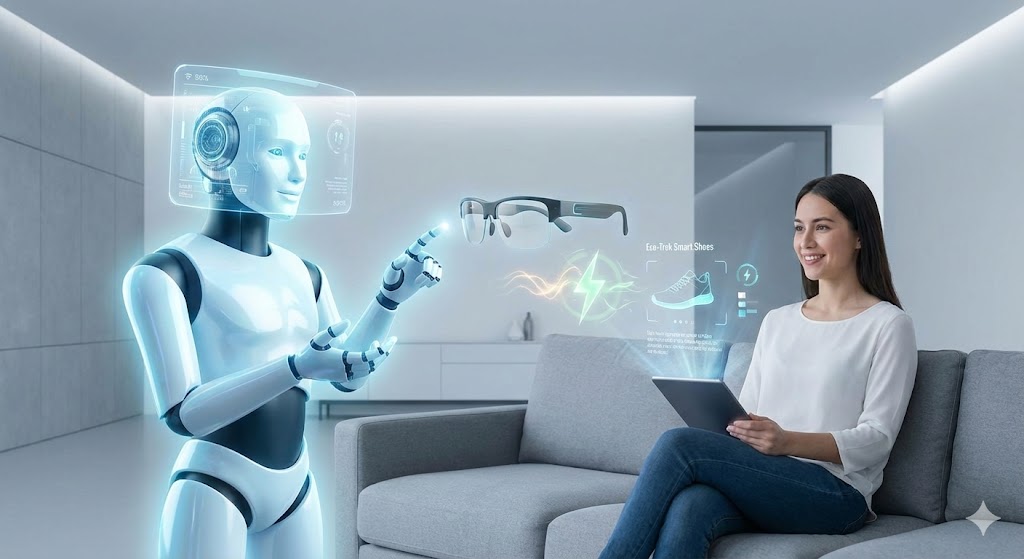
The use of Artificial Intelligence in creating and editing product photos has grown significantly and has become part of the routine for imaging professionals, small sellers, and major brands. The technology allows for adjusting scenes, standardizing lighting, and creating visual variations more swiftly, but it also raises questions about limits, risks, and best practices.
According to Matt Rouif, co-founder and CEO of Photoroom, there is still great confusion about what AI actually does and how to use it responsibly. Below, he clarifies some of the most common myths and truths related to the use of the technology in product photography.
- AI always alters the product and can make the image different from the real item.
Myth. According to the expert in AI photo editing, current tools allow for improving lighting, scene, and composition without modifying the product itself. Color, texture, dimensions, and finish can be preserved exactly as in the real item, provided the process follows best practices. When used correctly, AI functions as a support resource to enhance the image, not to reinvent the object. This ensures visual fidelity and prevents consumer frustration at the time of purchase.
- Using AI makes all photos look the same, stripping away the brand's identity.
Myth. Matt explains that AI can actually help strengthen visual identity. The tools allow for standardizing lighting, shadows, and framing, ensuring consistency across different products. This makes it easier for brands to build their own recognizable aesthetic, something valued in e-commerce and marketplaces. However, he notes that the results depend heavily on the prompt. Mastering the art of prompting has become indispensable for producing high-quality images that reflect each brand's style, rather than a generic look.
- AI is synonymous with excessive editing.
Truth. There is a common misconception that AI automatically produces overly edited or artificial-looking images. In reality, excessive editing is not inherent to AI, but rather a result of how the tools are used. What AI actually does is speed up the identification and correction of problems that previously required time-consuming manual work, such as unwanted reflections, misaligned shadows, or inconsistent colors in a catalog.
It can also support batch editing workflows, helping to apply consistent adjustments to multiple images without altering the product itself. When properly guided, AI increases efficiency and maintains the item's authenticity, proving that “excessive editing” is not a consequence of the technology itself, but of the instructions it receives.
- AI-generated backgrounds always look artificial or out of context.
Myth. Newer tools work with depth, light coherence, and texture in a way very close to real photography. When properly configured, AI-created backgrounds look natural and integrate precisely with the object, creating the impression of a studio-photographed scene.
- AI can help represent the product in different usage contexts without losing credibility.
Truth. The expert explains that the technology allows for creating coherent settings, where the product appears positioned in real situations, such as on a table, on a countertop, or in a domestic space. This facilitates consumer understanding of size, proportion, and utility, without resorting to unrealistic manipulations.
- AI completely replaces human work.
Myth. For Matt, the professional's role remains indispensable. It is they who set limits, validate visual fidelity, adjust details, and ensure the final image accurately represents the product. AI speeds up processes but does not replace the technical eye. Creativity, artistic decisions, and brand narrative remain fundamentally human functions, which AI cannot fully replicate.
In summary, by understanding how to apply AI responsibly, professionals and sellers can make the creation workflow more efficient, while maintaining image fidelity and ensuring a presentation that reinforces the brand's transparency and credibility with consumers.
- AI helps standardize catalogs with greater visual consistency.
Truth. One of the greatest advantages of AI is its ability to maintain visual unity among photos of different products, ensuring the same lighting, perspective, and style. This facilitates consumer navigation and reinforces brand identity in e-commerce.

