

The recent increase in the rates of IOF (Tax on Financial Operations) announced by the Ministry of Finance IO, which in some cases went from 0.38% to up to 3.5% (Tax on Financial Operations) drew attention to the high cost of financial transactions in Brazil, especially those involving foreign exchange. The change impacts consumers and companies that carry out international operations, from purchases abroad to payments and remittances in foreign currency.
This scenario rekindles the debate about the efficiency and costs of the traditional banking system. In addition to the IOF, foreign exchange operations usually involve high spreads, which can range from 1% to 7% on the reference rate (PTAX), especially in low volumes (common reality between consumers and small businesses.
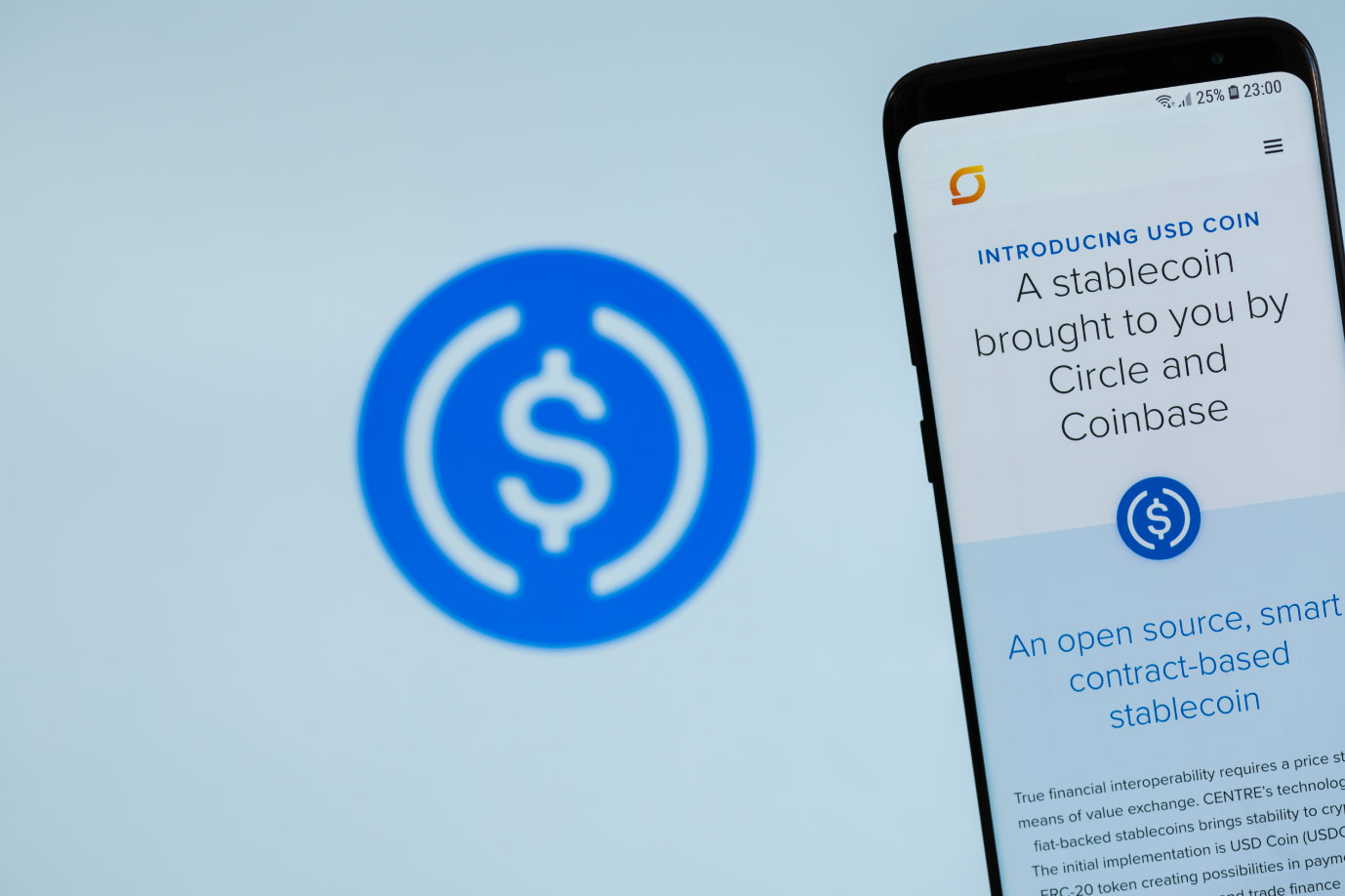
In this context, interest in digital alternatives, such as stablecoins cryptocurrencies normally paired with fiat currencies like the dollar. This is what explains Barbara Espir, Country Manager of Bitso in Brazil.“USDT (Tether) and USDC are examples of stablecoins backed by the US dollar and that are widely used, including in Brazil, to send and receive values, protect assets against devaluation of the real and even make international payments”.
Because they are based on blockchain, a traceable technology, available 24×7 and that does not require intermediaries throughout the validation process, transactions with stablecoins they tend to be more agile, often instant settlement, cheaper and when traded as an investment, are exempt from IOF. In addition, platforms that mediate the purchase and sale of these digital currencies, such as Bitso, often practice more competitive rates, between 0.1% and 0.5% compared to traditional exchange rates, and still offer additional benefits such as income similar to those obtained when investing in American public securities.
Data from the Central Bank show that in 2024, Brazil registered US$ 18.2 billion in cryptoasset imports, evidencing the growing adoption of these technologies as a means of accessing the global market and financial protection. The move is especially relevant for small and medium-sized enterprises (SMEs), which face tighter margins and difficulty of access to credit in the traditional system (ACCording to the Sebrae, 88% of them cannot get financing from banks due to lack of guarantees.
“This movement reinforces the search for more efficient alternatives to traditional exchange, both from an economic and operational point of view.In an environment where the cost of transacting internationally increases, solutions such as stablecoins they offer simplicity, transparency and more democratic access to the” dollar, adds Barbara.
With a regulatory environment still evolving, but with increasing adherence, the stablecoins they are consolidated as a promising tool to reduce costs, increase exchange rate predictability and make the use of hard currency more accessible, especially in times of tax uncertainty.


 Portuguese (Brazil)
  English
  Spanish
  German
  Chinese (Hong Kong)
  Russian
  Hindi
Hindi  French
  Italian
  Japanese
  Arabic
  Chinese (Taiwan)
  Bengali
  Bulgarian
  Czech
Czech  Danish
  Greek
Greek  Finnish
  Croatian
  Hungarian
  Indonesian
  Korean
  Lithuanian
  Dutch
Dutch  Norwegian
  Polish
  Portuguese (Angola)
  Portuguese (Portugal)
  Romanian
  Slovak
  Slovenian
  Swedish
  Thai
Thai  Turkish
  Ukrainian
  Vietnamese
  Chinese (China)