

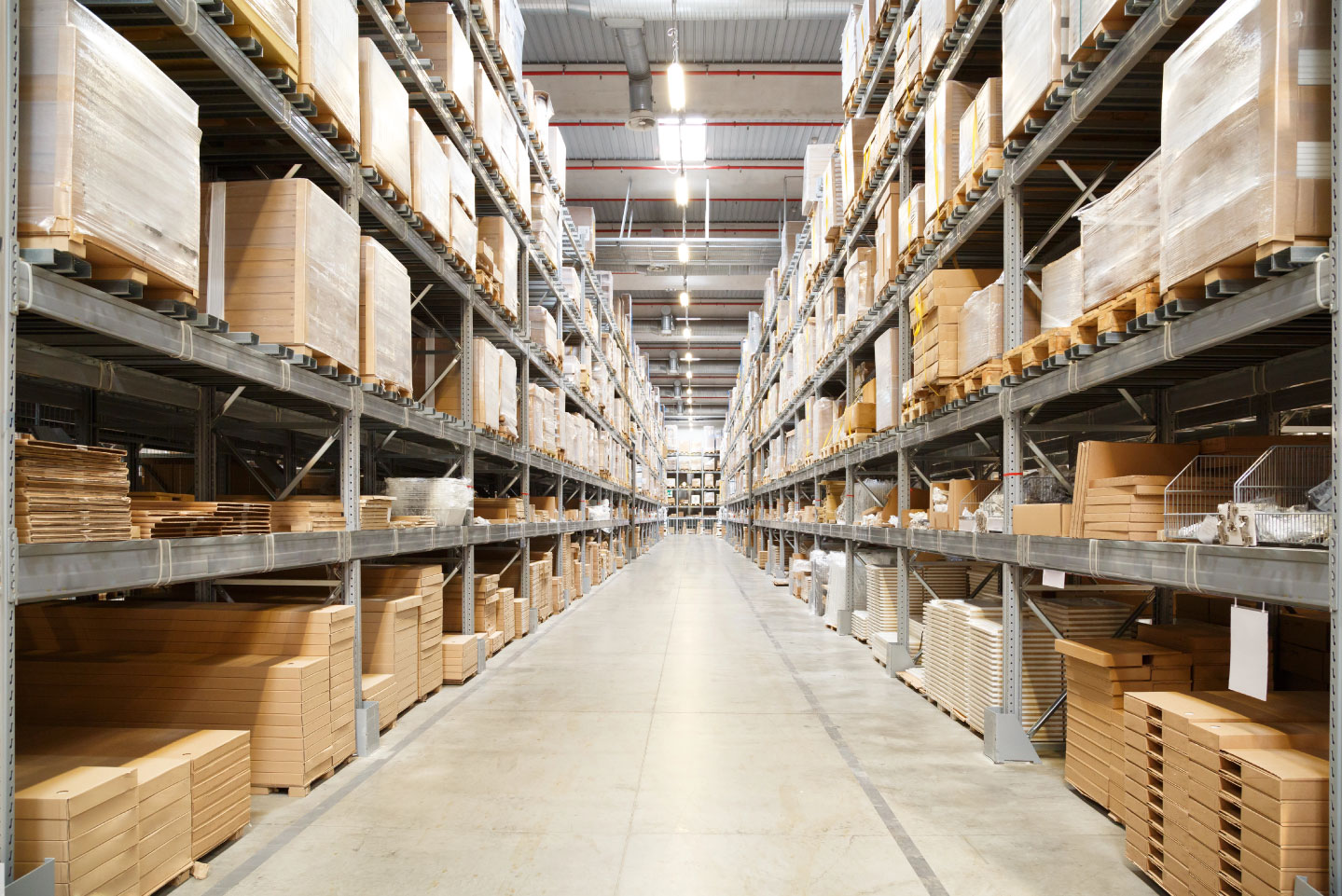
The growth of Brazilian e-commerce continues at a rapid pace. According to the Brazilian Electronic Commerce Association (ABComm), online sales should reach a turnover of R$ 224.7 billion in 2025, an advance of 10% compared to 2024. The projection follows the increase in order volume, diversification of sales channels and the demand of consumers for fast and accurate deliveries. This scenario puts pressure on the entire logistics chain, especially warehouses and distribution centers, which become key parts in the digital retail gear.
With more movements, extended shifts and high product turnover, logistics centers need to operate with maximum efficiency. One of the critical points is lighting: the quality of light directly impacts the productivity of teams, safety in handling loads and visibility for reading codes, labels and sensors.
Energy efficiency and operational safety
According to a survey by the Brazilian Lighting Association (Abilux), replacing old systems with more robust and efficient solutions can generate savings of up to 60% in the electricity consumption of sheds. In addition, environments with poor lighting have 20% more chances of registering work accidents, according to data from the International Labor Organization (ILO).
In this context, manufacturers and logistics operators have invested in technologies such as high-performance LED luminaires, presence sensors, automated light control systems and luminaires with IP protection for areas with dust or humidity. The expectation is that by 2026, more than 75% of distribution centers in the country are fully adapted with intelligent lighting solutions, according to the projection of the consultancy Markets and Markets.
The choice of lighting fixtures for sheds it involves criteria such as power, durability, impact resistance and ease of maintenance. High-performance models help optimize the layout of spaces, reduce blind spots and maintain visual comfort for operators.In regions with greater exposure to dust or thermal variations, such as warehouses inside or near industrial areas, the use of sealed housings and anti-corrosion materials is critical.
High-performance logistics requires planning
With the forecast that more than 435 million purchases will be made in Brazilian e-commerce in 2025, the logistics challenges go beyond storage. The speed in picking, traceability and loss reduction depend on fluid operations, and this goes through well-lit environments, with full visibility of products and efficient signage.
Companies that bet on retrofit sheds, replacing fluorescent lamps or metallic vapor with automated LED systems, have managed to reduce by up to 40% the time of order separation in large volumes.
Infrastructure modernization also allows alignment with ESG targets, as efficient systems contribute to reducing emissions and energy waste.Moreover, many companies are integrating smart lighting with their building management systems (BMS), allowing real-time monitoring of consumption, failures and need for preventive maintenance.
Investment with guaranteed return
Although the modernization of logistics lighting requires initial investment, the return is usually fast. According to Abesco (Brazilian Association of Energy Conservation Services Companies), light efficiency projects in industrial environments have an average payback of 12 to 18 months.
Faced with increased competition and pressure for shorter delivery times, lighting, often neglected, has become one of the differentials for players who operate with large volume in e-commerce. In 2025, it should gain even more relevance in strategic decisions of companies seeking scale, efficiency and safety in their operations.


 Português do Brasil
  English
  Español
  Deutsch
  香港中文
香港中文  Русский
  हिन्दी
  Français
  Italiano
  日本語
日本語  العربية
  繁體中文
繁體中文  বাংলা
বাংলা  Български
  Čeština
  Dansk
Dansk  Ελληνικά
  Suomi
Suomi  Hrvatski
  Magyar
  Bahasa Indonesia
  한국어
한국어  Lietuvių kalba
  Nederlands
  Norsk bokmål
  Polski
  Português de Angola
  Português
  Română
  Slovenčina
  Slovenščina
  Svenska
  ไทย
ไทย  Türkçe
  Українська
  Tiếng Việt
  简体中文
简体中文