

Definition:
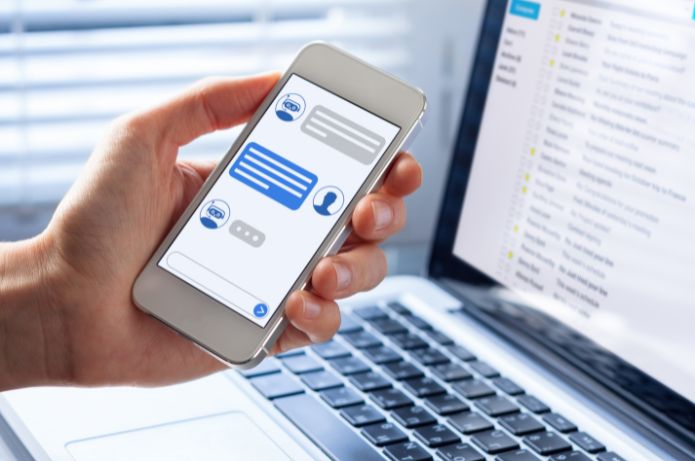
A chatbot is a computer program designed to simulate a human conversation through text or voice interactions. Using artificial intelligence (AI) and natural language processing (NLP), chatbots can understand and answer questions, provide information, and perform simple tasks.
Main Concept:
The main goal of chatbots is to automate interactions with users, offering quick and efficient answers, improving the customer experience, and reducing the human workload on repetitive tasks.
Main Features:
1. Natural Language Interaction:
– Ability to understand and respond in everyday human language.
2. 24/7 availability:
– Continuous operation, offering support at any time.
3. Scalability:
– It can handle multiple conversations simultaneously.
4. Continuous Learning:
– Continuous improvement through machine learning and user feedback.
5. Integration with Systems:
– It can connect to databases and other systems to access information.
Types of Chatbots:
1. Based on Rules:
– They follow a predefined set of rules and responses.
2. AI-Powered:
– They use AI to understand context and generate more natural responses.
3. Hybrids:
– They combine rule-based and AI-based approaches.
How it works:
1. User Input:
The user enters a question or command.
2. Processing:
The chatbot analyzes the input using NLP.
3. Response Generation:
Based on the analysis, the chatbot generates an appropriate response.
4. Delivery of the Response:
The answer is presented to the user.
Benefits:
1. Fast Service:
Instant answers to common queries.
2. Cost Reduction:
– It reduces the need for human assistance for basic tasks.
3. Consistency:
– It provides standardized and accurate information.
4. Data Collection:
– It captures valuable information about users' needs.
5. Improving the Customer Experience:
– It offers immediate and personalized support.
Common Applications:
1. Customer Service:
– It answers frequently asked questions and solves simple problems.
2. E-commerce:
– It helps with website navigation and recommends products.
3. Health:
– Provides basic medical information and schedules appointments.
4. Finances:
– It provides information about bank accounts and transactions.
5. Education:
– Assistance with questions about courses and study materials.
Challenges and Considerations:
1. Limitations of Understanding:
– You may have difficulties with linguistic nuances and context.
2. User Frustration:
Inadequate responses can lead to dissatisfaction.
3. Privacy and Security:
– The need to protect sensitive user data.
4. Maintenance and Upgrading:
– Requires regular updates to remain relevant.
5. Integration with Human Customer Service:
– The need for a smooth transition to human support when necessary.
Best Practices:
1. Define Clear Objectives:
– Establish specific purposes for the chatbot.
2. Customization:
– Adapt responses to the user's context and preferences.
3. Transparency:
– Inform users that they are interacting with a bot.
4. Feedback and Continuous Improvement:
– Analyze interactions to improve performance.
5. Conversational Design:
– Create natural and intuitive conversation flows.
Future Trends:
1. Integration with Advanced AI:
– Use of more sophisticated language models.
2. Multimodal Chatbots:
– A combination of text, voice, and visual elements.
3. Empathy and Emotional Intelligence:
– Development of chatbots capable of recognizing and responding to emotions.
4. Integration with IoT:
– Controlling smart devices through chatbots.
5. Expansion into New Industries:
– Growing adoption in sectors such as manufacturing and logistics.
Chatbots represent a revolution in how companies and organizations interact with their customers and users. By offering instant, personalized, and scalable support, they significantly improve operational efficiency and customer satisfaction. As technology evolves, chatbots are expected to become even more sophisticated, expanding their capabilities and applications across various sectors.

