

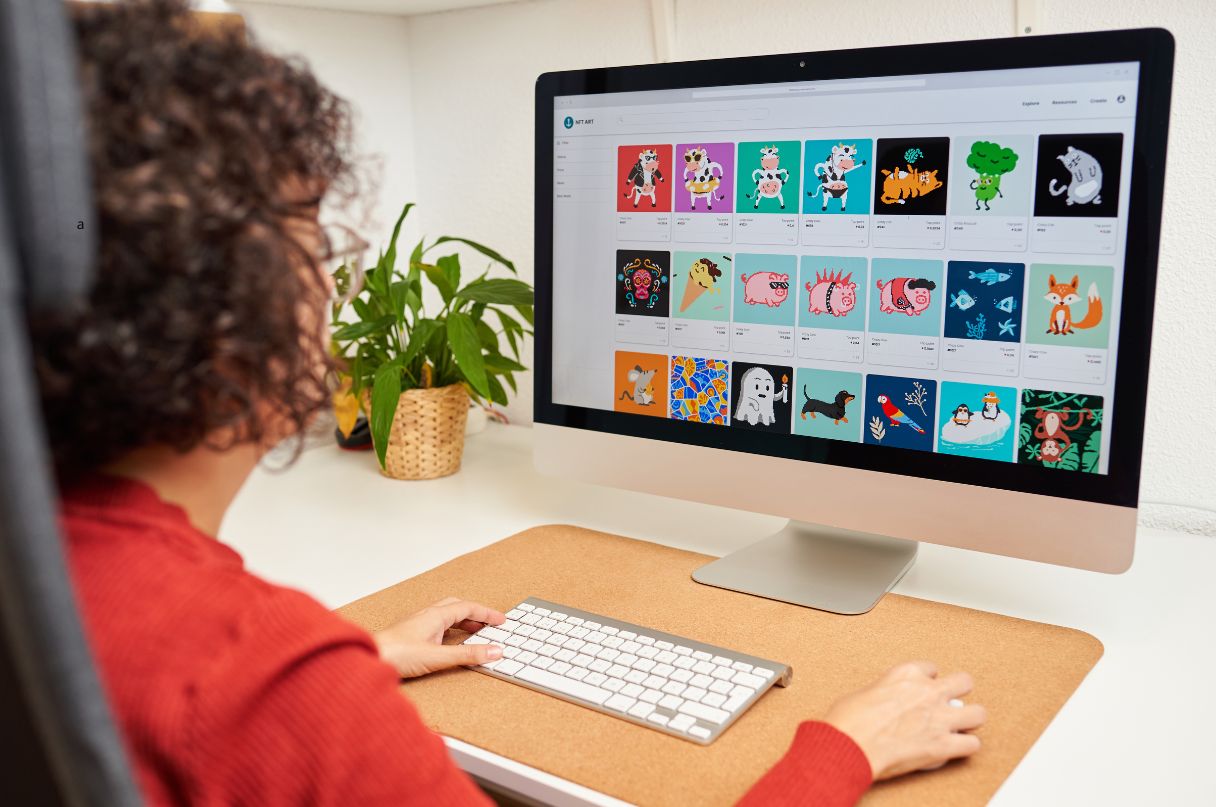
Marketplaces customized products they are transforming the way consumers buy unique, bespoke items online platforms they connect artisans and designers with clients seeking differentiated products, creating a vibrant ecosystem of creative commerce.
Custom marketplace offers a wide range of items, from clothing and accessories to decoration and gifts, all adaptable to individual buyer preferences. That flexibility it allows consumers to express their personality through unique products, while supporting small entrepreneurs and independent artists.
The growth of this sector reflects a shift in consumer preferences, which increasingly value originality and personal expression in their purchases.In addition, these platforms democratize market access for talented creators by providing them with a global showcase for their unique products.
Overview of Custom Product Markets
Custom product markets are on the rise in e-commerce. These platforms connect buyers to sellers who offer unique items and tailor-made.
Some of the most popular products include:
- Custom t-shirts and clothing
- Custom accessories and jewelry
- Personalized decoration for home
- Gifts & souvenirs on demand
These markets benefit both consumers and creators exclusive products that meet their specific preferences, sellers have the opportunity to monetize their creative skills.
Customization can involve everything from simply adding a name or phrase to completely original designs.Many platforms offer online design tools to make the process easier.
The business model usually involves commissions on sales. Platforms take care of payments, and Marketing and customer support, allowing creators to focus on production.
Demand for custom products grows as consumers seek unique items, which drives the expansion of these specialized markets in the e-commerce landscape.
Benefits of Custom Marketplaces
Customized marketplaces offer significant advantages for businesses and consumers unique experiences, increased customer engagement and a diverse range of products and services.
Customization as a Competitive Advantage
A personalization allows companies stand out in a competitive market.By offering unique products, brands create a distinct identity and attract customers looking for unique items.
Custom marketplaces allow sellers to tailor their offerings to specific consumer preferences.This results in more relevant and desirable products.
Customization can also increase the perceived value of products. Customers are often willing to pay more for items that exactly meet their personal needs or tastes.
Increased Customer Engagement
Customized marketplaces encourage a greater interaction between sellers and buyers.Customers can actively participate in the creation process by choosing colors, materials and designs.
This participation creates an emotional connection to the product and the brand.Consumers feel valued and heard, which strengthens loyalty to platform.
Personalization can also reduce returns and dissatisfaction.When customers have control over product characteristics, they are more likely to be satisfied with the final purchase.
Diversification of Products and Services
Custom marketplaces open doors to an endless variety of products.Sellers can offer customized versions of popular items or create entirely new products.
This diversity caters to specific market niches.Consumers with unique tastes or special needs find solutions that are not available in conventional stores.
Personalization also encourages innovation.Sellers are encouraged to develop new techniques and materials to meet customer demands for unique and personalized products.
Challenges and Solutions in Customization Marketplaces
Custom product marketplaces face unique challenges that require innovative solutions. Inventory management, the balance between customization and usability, and vendor integration are critical aspects to the success of these platforms.
Inventory Complexity Management
Inventory control in customization marketplaces is complex due to the variety of options.Advanced inventory management systems are essential for tracking components and end products.
Technologies such as artificial intelligence and machine learning help predict demands and optimize inventories.
Implementing just-in-time systems can minimize excess inventory.Strategic partnerships with suppliers ensure a constant flow of materials.
Balance between Customization and Usability
Offering too many customization options can overwhelm customers.Intuitive interfaces and simplified design tools are crucial for a good user experience.
Recommendations based on previous preferences and market trends guide customers. Limiting options to specific categories helps to avoid the “paralysis of the” choice.
Continuous A/B testing and user data analysis are critical to refining the personalization experience.Customer feedback should be incorporated regularly into the design process.
Integration with Suppliers and Manufacturing
Efficient communication between marketplace, suppliers and manufacturers is vital.Automated order management systems reduce errors and delays in production.
Strict quality standards and control processes ensure the consistency of customized products.Over-time training and technical support for suppliers improve overall quality.
Technologies like blockchain can increase transparency in the supply chain.This allows real-time tracking and authentication of materials and products.
Technologies Involved in Product Customization
Product customization uses a number of advanced technologies to meet consumer demands.Specialized software, innovative manufacturing techniques, and artificial intelligence play crucial roles in this process.
Custom Design Software
3D design programs allow customers to create unique products.Intuitive interfaces make it easy to customize colors, materials, and dimensions.
Real-time visualization tools show changes instantly.This helps consumers make informed decisions about their creations.
Some software uses libraries of pre-designed elements. Users can combine and modify these components to create unique designs.
3D Printing and On-Demand Production
3D printing has revolutionized custom manufacturing, allowing the production of unique items without the need for special molds or tools.
Laser cutting machines and CNC milling machines complement 3D printing.These technologies make it possible to customize various materials such as wood and metal.
Production management systems coordinate custom orders.They optimize workflow and reduce waste in on-demand manufacturing.
Artificial Intelligence and Customizable Recommendations
AI algorithms analyze user preferences and purchase history.Based on this data, they offer personalized suggestions for products and designs.
Image recognition systems help in the creation of customized products.They can, for example, transform customer photos into designs for t-shirts or mugs.
AI-powered chatbots guide consumers through the personalization process.They answer questions and offer suggestions in real time.
Business Models in Customization Marketplaces
Customization marketplaces take different approaches to meet the specific needs of consumers. These platforms use varied strategies to connect customers and suppliers, offering tailored products and services.
Niche Specific Marketplaces
These marketplaces focus on well-defined market segments.They cater to groups with particular interests or needs, such as plus size fashion, exotic pet products or extreme sports accessories.
Niche marketplaces offer a careful selection of customizable items.They work with specialized vendors who understand the unique demands of the target audience.
The advantage of this model is customer loyalty. By serving a specific niche, these platforms become a reference for consumers with particular interests.
Crowdsourcing Platforms
Crowdsourcing allows customers to propose ideas for custom products. Designers and artists in the community create proposals based on these ideas.
This model encourages creativity and collaboration.Customers have access to a variety of unique designs and can choose from their favorite options.
Crowdsourcing platforms often operate with a voting system.The most popular designs are produced and made available for sale.
Designers gain exposure and financial rewards, while customers get unique products.
Custom Subscription Services
In this model, customers regularly receive personalized products based on their preferences. Subscriptions may include items such as clothing, accessories, food or beauty products.
Services use algorithms and customer feedback to refine selections over time, resulting in an increasingly personalized experience.
The advantage for consumers is convenience and the discovery of new products.For companies, this model ensures recurring revenue and allows better inventory forecasting.
Many subscription services they offer different levels of customization, allowing customers to choose the degree of customization they want and the amount they are willing to pay.
Marketing Strategies for Custom Marketplaces
Effective marketing is essential to the success of custom product marketplaces.Data-based approaches, authenticity in communication and loyalty programs are key elements to attract and retain customers in this segment.
Data Influenced Marketing
Data analytics allows you to create targeted and efficient campaigns.Marketplaces can use browsing and shopping information to target your audience.
Personalization techniques, such as product recommendations based on customer history, increase conversion rates. Personalized emails with relevant offers are more likely to engage.
The use of machine learning algorithms helps predict trends and buying behaviors, which enables quick adjustments to marketing strategies and product catalogs.
Authenticity and Brand Building
Transparency about the personalization process strengthens consumer trust. Videos and photos showing the creation of personalized products generate emotional connection with the brand.
Satisfied customer stories and authentic testimonials are powerful marketing tools.Sharing the positive impact of personalized products on people's lives creates identification.
Partnerships with influencers who genuinely appreciate personalized products extend the reach of the brand. Collaborations with local artists and designers add value and exclusivity.
Loyalty and Rewards Programs
Points programs that offer discounts on future customizations encourage recurring purchases.Exclusive member benefits, such as early access to new designs, create a sense of belonging.
Virtual events for VIP customers, such as personalization workshops, strengthen the relationship. Offering personalized gifts on special dates surprises and delights loyal customers.
Gamification of the personalization process, with challenges and rewards, makes the experience more engaging.Easy sharing of creations on social networks extends the organic reach of the brand.
Success Cases
Custom product marketplaces have generated impressive results for businesses and customers.This section explores real-world examples and testimonials that illustrate the positive impact these business models.
Case Study Analysis
Brazilian company Elo7 stands out as a success case in the personalized handmade products market.Founded in 2008, the platform connects more than 100 thousand sellers to millions of buyers.
In 2021, Elo7 was acquired by Etsy for US$ 217 million, highlighting its value in the global market.The company reported an 180% growth in sales during the COVID-19 pandemic.
Another notable example is Tanlup, a marketplace focused on custom t-shirts and accessories.The platform grew 300% in 2020, reaching more than 1 million registered users.
Customer Testimonials and Success Stories
Maria Silva, artisan from Sao Paulo, reports: “Thanks to the marketplace, reports increased my sales in 500% in the last year. Now I can fully dedicate myself to my business.”
Joao Santos, owner of a small printing company, shares: “A platform has allowed us to reach customers throughout Brazil.Our sales have tripled and we have hired more employees.”
A survey of 500 custom product sellers revealed that 78% increased their income by at least 50% after joining specialized marketplaces.
These testimonials demonstrate the transformative potential of custom product marketplaces for entrepreneurs and small businesses in Brazil.
Future Prospects for the Customization Sector
The product personalization industry is poised for significant growth in the coming years.Technological advances such as 3D printing and artificial intelligence are expanding the possibilities for mass customization.
Demand for unique, individualized products continues to increase among consumers, driving companies to invest in more sophisticated and efficient personalization solutions.
Sustainability is also gaining prominence in this market.Many brands are adopting on-demand production practices to reduce waste and address customers' environmental concerns.
The integration of augmented and virtual reality into personalization processes allows consumers to view customized products before purchase. This trend should strengthen, improving the customer experience.
Using data and advanced analytics enables more accurate and relevant personalization. Companies can offer better recommendations based on individual behavior and preferences.
Personalization extends beyond physical products, encompassing digital services and experiences.This broadening of scope creates new business opportunities and innovation in the industry.
As technology evolves, custom production costs are expected to decrease, making custom products more accessible to a wider audience.
Conclusion
Custom product marketplaces have transformed e-commerce. These platforms connect consumers to creators, enabling unique, bespoke items.
Mass customization has become a reality thanks to new technologies.3D printing, digital design and flexible manufacturing have made customization possible at scale.
Entrepreneurs and small businesses have gained access to global markets.Marketplaces have reduced barriers and entry costs, democratizing online commerce.
The shopping experience has become more engaging and interactive.Customization tools give customers creative control over products.
Challenges such as complex logistics and intellectual property persist, but constant innovations seek solutions to these issues.
The industry continues to evolve rapidly.New technologies and business models emerge regularly, expanding the possibilities.
The future looks promising for customization marketplaces.As demand for unique products grows, these platforms are expected to become even more relevant in the e-commerce landscape.

