

Definition:
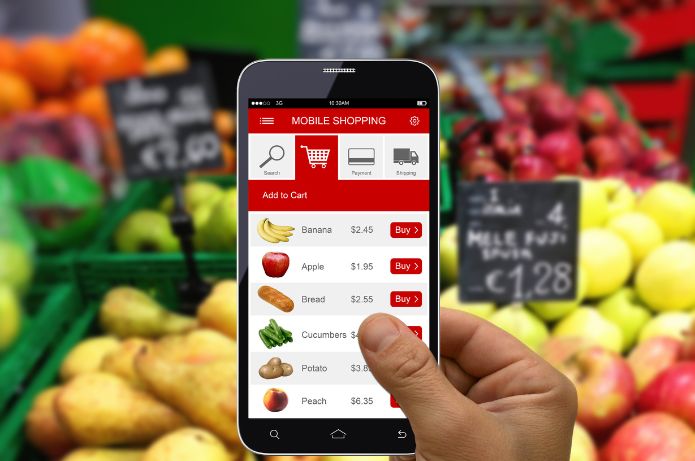
Mobile commerce, often abbreviated as m-commerce, refers to commercial transactions and activities carried out through mobile devices, such as smartphones and tablets. It is an extension of traditional e-commerce, adapted for the mobility and convenience of portable devices.
Main concept:
M-commerce encompasses a wide range of activities, from buying and selling products and services to mobile banking, digital payments, and money transfers, all carried out through mobile devices connected to the internet.
Features of Mobile Commerce:
1. Accessibility: Allows transactions anytime, anywhere.
2. Personalization: Offers personalized shopping experiences based on the user's location and preferences.
3. Instantaneity: Facilitates quick and immediate purchases and payments.
4. Technology integration: Utilizes features such as GPS, camera, and NFC to enhance the user experience.
5. Omnichannel: Integrates with other sales channels, such as physical stores and websites.
Technologies that drive M-Commerce:
1. Mobile applications: Dedicated platforms for shopping and services.
2. Responsive websites: Web pages optimized for viewing on mobile devices.
3. NFC (Near Field Communication): Enables contactless payments.
4. QR Codes: They facilitate quick access to information and payments.
5. Digital wallets: They securely store payment information.
6. Augmented Reality (AR): Enhances the shopping experience with interactive visualizations.
7. Artificial Intelligence: Offers personalized recommendations and customer support.
Benefits of Mobile Commerce:
1. For consumers:
Convenience and accessibility
Easy price and product comparison
Personalized offers
Simplified payment methods
2. For businesses:
– Expanded customer reach
Valuable data on consumer behavior.
– Opportunities for targeted marketing
– Reduction of operational costs
Challenges of Mobile Commerce:
1. Security: Protection of sensitive data and fraud prevention.
2. User experience: Ensure intuitive interfaces on smaller screens.
3. Connectivity: Dealing with variations in internet connection quality.
4. Device fragmentation: Adapting to different operating systems and screen sizes.
5. System integration: Synchronize with existing e-commerce and management systems.
Trends in Mobile Commerce:
1. Voice assistants: Purchases made through voice commands.
2. Social commerce: Integrating shopping with social media platforms.
3. Virtual Reality (VR): Immersive shopping experiences.
4. Internet of Things (IoT): Connected devices that facilitate automatic purchases.
5. Biometric payments: Use of fingerprint or facial recognition for authentication.
6. 5G: Increased speed and capacity for richer m-commerce experiences.
Strategies for success in M-Commerce:
1. Mobile-first design: Prioritize the mobile experience.
2. Speed optimization: Ensure fast loading of pages and applications.
3. Simplified checkout: Reduce friction in the payment process.
4. Personalization: Offering relevant recommendations and offers.
5. Omnichannel: Integrating online and offline experiences.
6. Robust security: Implement data protection and fraud prevention measures.
Economic impact:
1. Market growth: M-commerce is expanding rapidly globally.
2. Changes in consumption habits: Alterations in how people buy and interact with brands.
3. Innovation: Encouraging the development of new technologies and business models.
4. Financial inclusion: Access to financial services for unbanked populations.
Conclusion:
Mobile commerce represents a revolution in how we conduct business transactions, offering unprecedented levels of convenience and accessibility. As mobile technology continues to evolve and smartphone penetration increases globally, m-commerce is becoming an increasingly integral part of the digital economy. Businesses that embrace and adapt to this trend are well-positioned for the future of commerce, while consumers benefit from richer, more personalized, and convenient shopping experiences.

