

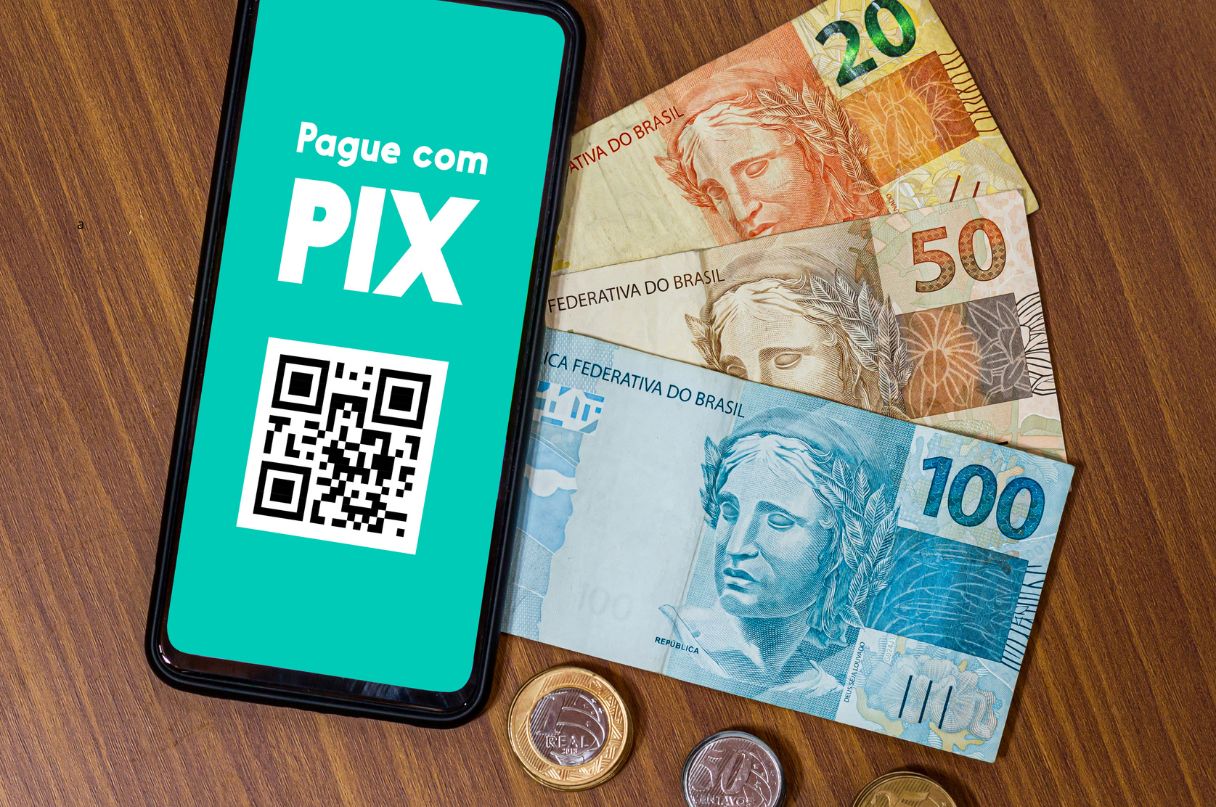
Since its launch in 2020, Pix has revolutionized the Brazilian financial market, becoming the preferred payment method for millions of people. Its main advantage is its simplicity and speed: it allows transfers in real time, 24 hours a day, without the need for a machine or cash. All you need is a bank account and a PIX key, such as your CPF or phone number, to start using it. This practicality has brought benefits, especially for those who receive payments, such as small traders and self-employed people, who can operate without additional costs or technical complications.
However, despite its popularity, Pix still faces challenges in being fully accessible. For those who pay, a smartphone and internet access are required, which can be a barrier for the elderly, people with low education or residents of rural areas. Although the use of smartphones and internet coverage have grown significantly, the inclusion of these groups still requires efforts, such as digital education campaigns and improvements in connectivity infrastructure. The implementation of solutions that allow offline transactions, using encryption and tokenization technologies, can be a way to expand access. Systems such as Google Pay and Apple Pay already do this, allowing payments to be initiated without the payer's active connection, using the recipient's internet connection.
Security is also a constant concern. Since the first cases of flash kidnappings and robberies involving instant transfers, the Central Bank reacted quickly, imposing limits on overnight transactions and this month it introduced a limit of R$200 for new devices not yet registered as authorized in the bank's application (this will only apply to devices that were not in use before 12/01/2024). While these measures have reduced the occurrence of crimes, they have also imposed restrictions that affect the experience of legitimate users. The search for solutions that maintain security without sacrificing usability continues to be a challenge.
Another critical point is scams related to prepayment, in which fraudsters receive the amount and disappear without delivering the promised product or service. THE Special Return Mechanism (MED) was created to deal with these situations, allowing chargebacks in proven cases of fraud. Although still little used, MED represents an important advance, inspired by the credit card chargeback system, and needs to be more widespread to gain users' trust.
A solution that could further transform the scenario is the adoption of intermediary payments, or “escrow”. In this model, the amount would only be released to the seller after confirmation of delivery by the buyer. This would bring more security to both parties and would be especially useful in online transactions. Furthermore, expanding the use of tokenization in transactions would ensure that sensitive data is protected, even in offline environments, offering an extra layer of security.
The balance between accessibility and security is fundamental to the future of Pix. Solutions that integrate technologies such as biometrics, tokenization and intermediation can expand the reach of the system without compromising user protection. Digital inclusion, in turn, is essential for reducing fraud, increasing awareness and enabling more people to use Pix safely.
On the horizon, Pix still has a lot to offer. Payments by contactless, installments and automatic debit are already under development in Brazil, and already in operation in similar systems abroad, such as systems such as UPI in India and PayNow in Singapore. International integration is also a possibility, with the Nexus Project, from the Bank for International Settlements (BIS) proposing a multinational interface model to facilitate global remittances.
Pix is already an example of innovation and efficiency, but to continue leading, it needs to constantly evolve. Investing in new technologies, expanding access in less connected areas and strengthening security are essential steps to ensure that all Brazilians can enjoy its benefits with confidence and peace of mind.

