

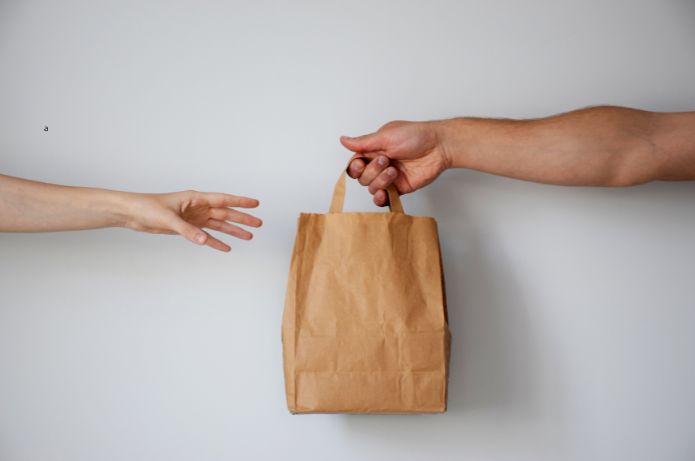
Reverse logistics is an essential, yet often challenging, component of e-commerce. It involves the process of returning products from the end consumer back to the seller or manufacturer, whether for exchange, refund, repair, or recycling. With the rise of e-commerce and increasing consumer expectations for efficient and hassle-free service, streamlined reverse logistics has become a priority for many companies. In this article, we will explore the importance of streamlined reverse logistics, its benefits, and how to implement it effectively.
The Importance of Simplified Reverse Logistics
Simplified reverse logistics is crucial for customer satisfaction and business sustainability. When consumers know they can return products easily and without complications, they feel more confident making online purchases. This can lead to increased sales and customer loyalty.
Furthermore, reverse logistics is fundamental to sustainability. The return and reuse of products can reduce waste and minimize environmental impact. Companies that implement effective reverse logistics practices can also benefit from a more positive and responsible brand image.
Benefits of Simplified Reverse Logistics
- Increased Customer Satisfaction : A simplified and efficient return process increases customer satisfaction. When consumers know they can easily return products, they are more likely to buy again in the future.
- Customer Loyalty : Customers satisfied with the return process are more likely to become repeat customers. Simplified reverse logistics can help build long-term relationships with consumers.
- Cost Reduction : Although reverse logistics may seem like an additional cost, a well-managed process can actually reduce costs in the long run. Reusing and repurposing returned products can save money and resources.
- Sustainability : Reverse logistics facilitates the recycling and proper disposal of products, contributing to more sustainable business practices. This can improve the company's image and attract environmentally conscious consumers.
- Competitive Advantage : In a competitive market, offering an easy return policy can differentiate your company from the competition. This can be a decisive factor for consumers when choosing where to buy.
How to Implement Simplified Reverse Logistics
- Clear and Transparent Return Policy : The first step to effective reverse logistics is having a clear and transparent return policy. Consumers should easily understand how to return a product, what the deadlines are, and what conditions apply.
- Automating the Process : Using technology to automate the return process can make everything more efficient. Modern e-commerce platforms offer features that allow customers to initiate returns online, print shipping labels, and track the status of their returns.
- Partnerships with Carriers : Establishing partnerships with reliable carriers can help ensure that returned products are collected and transported efficiently. Some carriers offer specialized reverse logistics services.
- Return Centers : Setting up strategic return centers can speed up the sorting and processing of returned products. This can reduce the time required for refunds or exchanges, improving the customer experience.
- Customer Communication : Keeping customers informed throughout the return process is essential. Sending updates via email or SMS about the return status can increase transparency and customer trust.
- Data Analysis : Collecting and analyzing data on returns can provide valuable insights. Understanding why products are being returned can help identify quality issues or discrepancies in product descriptions, allowing for continuous improvement.
Examples of Companies with Simplified Reverse Logistics
Some companies already stand out for the efficiency of their reverse logistics policies:
- Amazon : The e-commerce giant offers an extremely simplified return process. Customers can initiate returns online, print shipping labels, and even schedule home pickups.
- Zappos : Known for its excellent customer service, Zappos offers free and hassle-free returns. The company allows customers to return products up to 365 days after purchase.
- Magazine Luiza : In Brazil, Magazine Luiza also stands out for the efficiency of its reverse logistics. The company facilitates the return of products in physical stores or through home collection.
Conclusion
Simplified reverse logistics is not just an operational necessity, but a strategic opportunity for e-commerce companies. By implementing an efficient and customer-centric return process, companies can increase customer satisfaction, reduce costs, and promote more sustainable practices. In a competitive market, offering simplified reverse logistics can be the differentiating factor that puts your company ahead of the competition.
Investing in a well-structured reverse logistics system is therefore a crucial step for any e-commerce company seeking to grow and stand out in the market. By transforming challenges into opportunities, streamlined reverse logistics can significantly boost your business success.

