

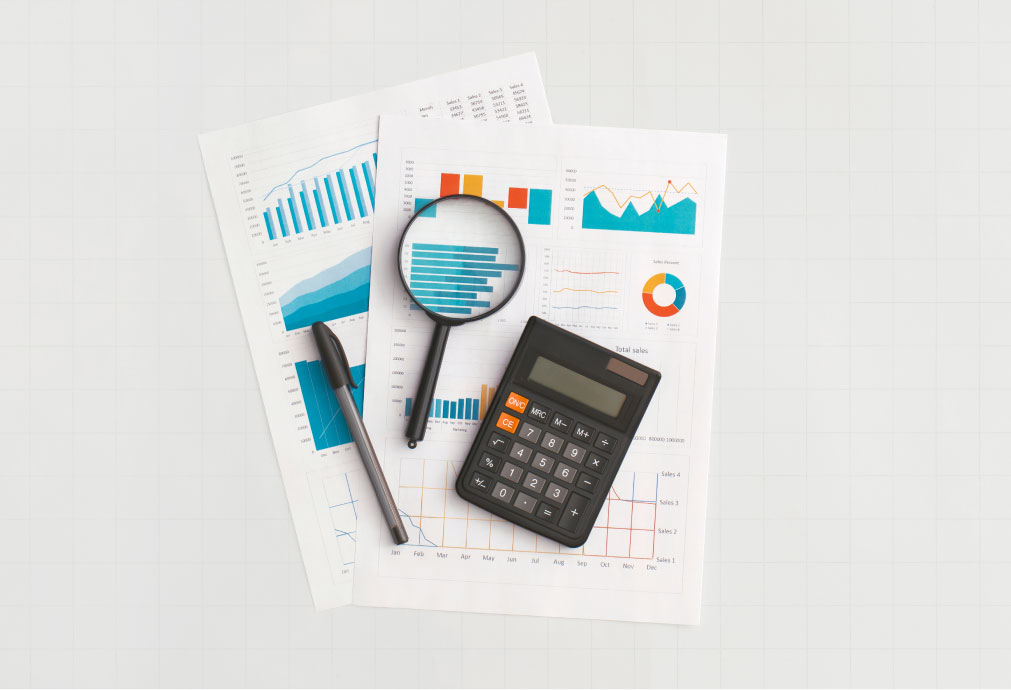
Customer acquisition cost (CAC) has become one of the biggest challenges in retail. With increasingly fierce competition, market saturation and changes in ad platform algorithms have made it more expensive to attract new consumers, which requires more effective strategies to optimize return on investment (ROI) in the long term.
The rise of digital commerce has intensified this dispute for attention and advertising space.Today, retailers compete not only with large players of traditional retail, but also with marketplaces such as Amazon and Mercado Livre, which impose high rates for sales on platforms and invest heavily in marketing. Added to this, the cost of digital tools, essential for conversion and customization, also impact the budget of companies, leaving the situation even more challenging.
What is the result of such a complex equation as this? The final profit margin bottom line it has been increasingly under pressure in retail as managers seek to balance growth investments with operational efficiency. Therefore, brands face high operating costs, greater competition and a constantly changing consumer, which makes it difficult to maintain viable operations.
However, it is possible to obtain more profitable margins with strategies that increase conversion and reduce the cost of customer acquisition. One of the most effective ways for this is the intelligent combination of paid media and organic strategies, such as SEO and content marketing. But at this point attention is needed: the way these approaches are used makes all the difference in results. Paid media, when poorly directed, can become an expensive and unsustainable investment.
I like to draw an analogy from the world fitness: the exclusive dependence on paid ads is like an athlete who uses anabolic steroids without a proper training and eating routine.Growth can be fast, but not sustainable, and the cost in the end is very high. In retail, this translates into excessive investments in Google Ads and sponsorships in social networks, without an efficient control, resulting in a high CAC and compromising profitability, both in the short and long term.
On the other hand, organic marketing is a long-term strategy that aims at solid, efficient and sustainable growth. Investing in SEO, relevant content and organic ranking allows you to attract qualified customers without the high costs of paid media, reducing CAC and generating a continuous flow of leads, which results in a more efficient conversion (as that person who decides to change his lifestyle and adopts a constant routine of exercises and a healthy diet.
In short, when we talk about a market as competitive as retail, an investment model focused on efficiency and sustainability is the key to constant and profitable growth.For this, managers must be aware that personalized communication, use of data and automation to optimize the consumer journey, as well as retention strategies such as loyalty programs are essential to reduce waste in advertising campaigns and maximize the bottom line the search for profitability can be challenging, but with the right methods it is possible to achieve and expand.


 Portuguese (Brazil)
  English
  Spanish
  German
  Chinese (Hong Kong)
  Russian
  Hindi
Hindi  French
  Italian
  Japanese
  Arabic
  Chinese (Taiwan)
  Bengali
  Bulgarian
  Czech
Czech  Danish
  Greek
Greek  Finnish
  Croatian
  Hungarian
  Indonesian
  Hebrew
  Korean
  Lithuanian
  Dutch
Dutch  Norwegian
  Norwegian
  Polish
  Portuguese (Angola)
  Portuguese (Portugal)
  Romanian
  Slovak
  Slovenian
  Swedish
  Thai
Thai  Turkish
  Ukrainian
  Vietnamese