

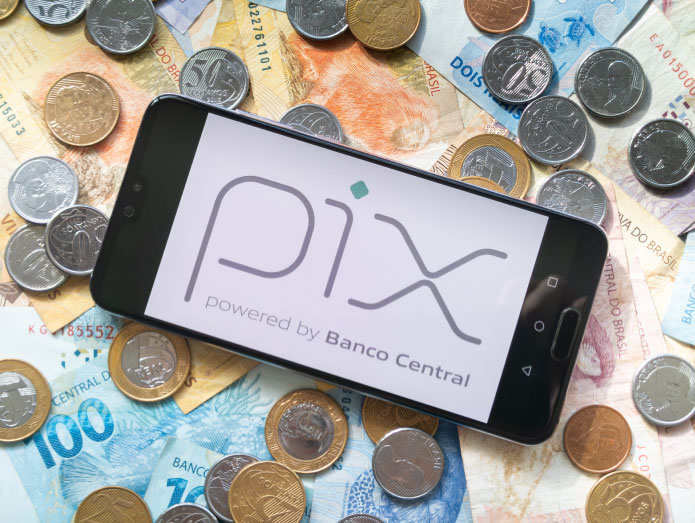
The Pix automatic it will revolutionize the way the market deals with recurring charges in Brazil, and payment orchestrators play a key role in this scenario. Unlike direct integration with banks, it is often complex and limited ^O these gateways offer an agile and efficient solution, allowing businesses of all sizes to access multiple automatic Pix vendors with a single integration. The flexibility presented not only reduces operating costs, how ensures greater resilience to the system.
In the company I lead, for example, technology constantly monitors supplier performance, automatically switching to an alternative provider in case of instabilities & IT is a business-critical differentiator that relies on predictable receivables, all without any impact or action required by the end customer.
Challenges and differentials of the automatic Pix
One of the biggest technical challenges of the automatic Pix is dealing with situations where the payer does not have enough balance or when the amount exceeds the pre-defined limit. The system makes up to three billing attempts every other day in a seven-day window after the scheduled date, significantly increasing the chances of success.When the payment is still not completed, the payment is it is essential to communicate with the customer and offer alternatives such as payment links with credit card or NuPay options. The approach not only minimizes default, as well improves user experience, which can choose the most convenient way to pay off the debt.
Now, when compared to traditional methods, the competitive advantages of the automatic Pix are evident. While boletos require manual action of the payer with variable costs from R$ 1.50 to R$ 9.00 per transaction, the Pix is settled instantly, 24/7, including weekends and holidays 5 a striking contrast with the two to seven business days of the tickets or 30 days of the credit card.For high amounts such as rents or school fees, a savings with fees is even more significant compared to the percentages charged by cards.Automatic debit, in turn, faces the complexity of specific banking integrations Pix automatic thus emerges as a cheaper, faster and more efficient alternative, especially to optimize cash flow.
Even sectors such as education, utilities and subscriptions have greater potential for adopting the method, but all periodic billing can benefit. It is important to note that while new businesses adopt the automatic Pix as a first option, the migration of consolidated bases will be gradual & especially relevant for companies with low-value collections, where the economy with fees is more impactful.
Safety is another difference: each transaction is authenticated by the paying bank with password or biometrics.This ensures that the one who authorizes the automatic Pix is in fact the owner of the bank account used.It also allows the payer to set a maximum limit for the collection, which the automatic debit and credit card payment traditionally do not offer.
Payment method that complements
In the future, the Automatic Pix tends to supplement the credit card (which remains attractive for benefits such as points), but should progressively replace slips and automatic debits.In addition to recurring charges, applications such as rent and pro-labore also benefit.
For small businesses still reluctant, the message is clear: the economy with fees and the improvement in cash flow by immediate settlement are competitive advantages that no entrepreneur can ignore. The automatic Pix is not only a technological evolution, it is the new basis for efficient financial management in Brazil.

