

Optimism about the Open Finance has grown among its enthusiasts. According to the Open Finance annual report, the number of active consents reached 42 million, representing an increase of 97% compared to the previous year. Of these, 27.7 million are sole consents of individuals or companies. The system has recorded 1.4 billion calls for information exchange and offers a variety of products and services.
For some it is a promising scenario and there are those who believe that it will not have so many advances.
In Brazil, about 15% of banking service users already share their data through Open Finance, while in the United Kingdom this rate is 13%. The Brazilian model, inspired by the success of the British open banking, now stands out as the biggest in the world.
But there is a point that we need to reflect here, consent is just the first step and does not necessarily mean that the system is really being adopted by the population. The adoption of a new digital product requires good experiences, ease of use and especially understanding about the benefits of Open Finance.
There are significant investments in the system. According to the banking technology survey released at this year's Febraban Tech, investments made by financial institutions can total R$ 700 million by the end of 2024. This contribution is directly linked to the expansion of the offer of products and services to customers, through the efficient and safe use of shared data.
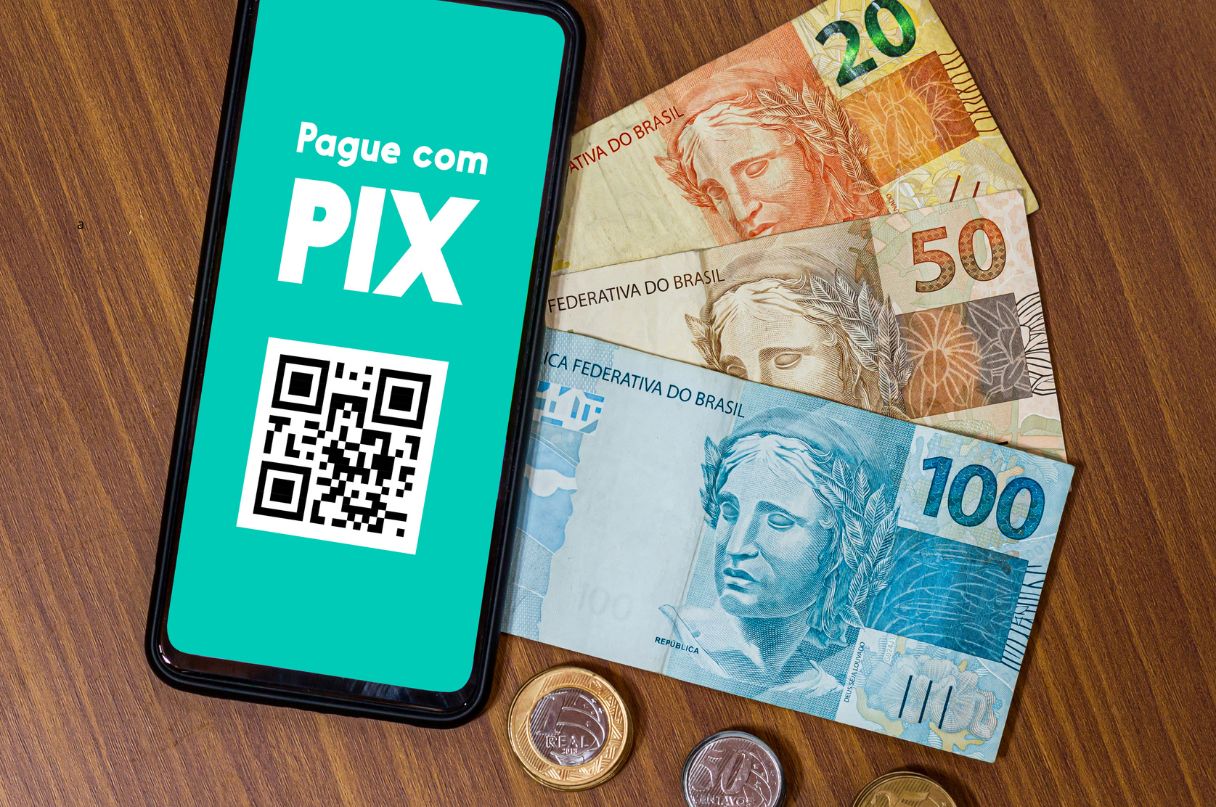
The evolution and investments proven by data are not surprising those who follow the growing digitization of the financial sector in Brazil. The Brazilian population is recognized for its openness to new technologies in the banking sector, as demonstrated by the success of the PIX, launched in 2020, which became the most popular means of payment in the country in 2023, with almost 42 billion transactions, according to Febraban.
However, despite the recognized advance of the Open Finance towards mass adoption, there is still a perception of slow adhesion and the benefits promised by this system. One of the reasons for this sensation may be the comparison with the PIX, whose exponential growth was facilitated by the simplicity of use, not requiring great financial knowledge from its users for membership, contrary to what happens with the Open Finance.
A study conducted by Instituto Locomotiva in partnership with XPEED, the Financial Education Division of XP, reveals that 90% of respondents recognize the need for financial education. This indicates that many may lack the knowledge to fully understand the benefits of sharing financial data, the functionality proposed by Open Finance.
In addition, due to the sensitive nature of consumer data and the need for a robust technological infrastructure capable of integrating complex systems and ensuring data security among financial institutions, experts assess that, although it is already operational in some areas, the system is still in the validation phase.
Large institutions such as Santander, Banco do Brasil, XP Investimentos, among others, have already implemented or are testing versions of the PFM (Personal Finance Management, or Personal Finance Manager), which centralizes multiple accounts in a single channel to help consumers manage their resources.
Even with these challenges, Open Finance in Brazil is demonstrating a gradual adhesion of users, driven by significant investments by financial institutions.
While there are still challenges to overcome, such as the continued need for financial education and the complete validation of the system in several areas, the country is consolidating its position as a global leader in this new model. With initiatives such as PIX paving the way for greater digitization in the sector, the future of Open Finance in Brazil seems to be aligned with the needs and expectations of modern consumers.
The path to the complete implementation of the Open Finance and the revolution in the financial system is long. The continued regulatory evolution, the expansion of data sharing and the growing acceptance by the public are crucial steps in this journey.
Another major challenge of increasing membership of OpenFinance is undoubtedly the fact that it has decentralized information (credit products, loans, cards, among others) and the interface with multiple banks and credit companies, increase the need for discipline and control on the side of the population.
A very important issue that we cannot fail to mention is the increasingly better digital products journeys with deliveries of better experiences from financial institutions to their customers, increasing satisfaction and, consequently, the loyalty of their customers, resulting in more and more satisfied customers and perhaps less open to joining OpenFinance, which ends up boosting the competitiveness of the sector.
In any case, the financial sector in Brazil has advanced, whether with PIX, with Open Finance and very soon with DREX. It is a new path, which will require new ways of thinking and building better digital products that meet the pain of each customer, leaving more and more the customer at the center of the strategy and bringing a healthy competitiveness in the country.


 Portuguese (Brazil)
  English
  Spanish
  German
  Chinese (Hong Kong)
  Russian
  Hindi
Hindi  French
  Italian
  Japanese
  Arabic
  Chinese (Taiwan)
  Bengali
  Bulgarian
  Czech
Czech  Danish
  Greek
Greek  Finnish
  Croatian
  Hungarian
  Indonesian
  Hebrew
  Korean
  Lithuanian
  Dutch
Dutch  Norwegian
  Norwegian
  Polish
  Portuguese (Angola)
  Portuguese (Portugal)
  Romanian
  Slovak
  Slovenian
  Swedish
  Thai
Thai  Turkish
  Ukrainian
  Vietnamese