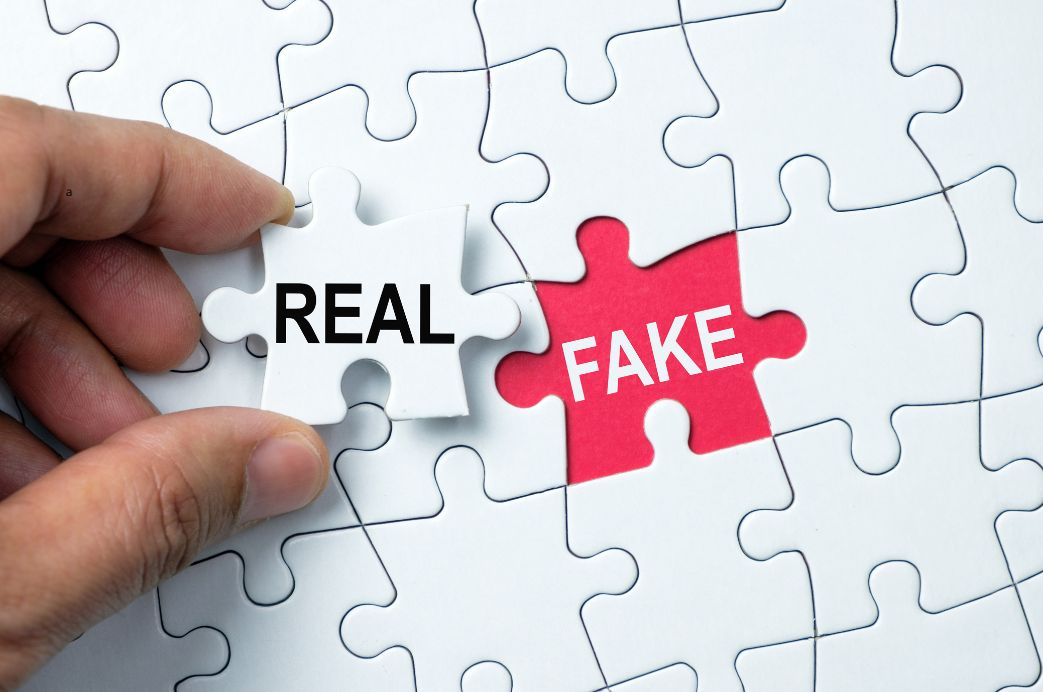
Between March and May this year, we conducted a survey in BrandMonitor that identified that 84,2% of the major brands had at least one fake website created and published in their name, on the internet, in the last three months. This alarming data reveals the vulnerability of brands, both Brazilian and international, to fraud, scams and digital threats.
The proliferation of fake websites occurs for several reasons, one of the main ones being the apparent misinformation of brands regarding fraud. This inattention sends a message to malicious users that there are opportunities to profit using the authority and image of reputable companies.
The brands most impacted by digital fraud face an average of 85 suspicious domains, compromising both their results and their reputation. Every day, new scams and fraudulent websites appear on the web and it is crucial that brands are one step ahead of these malicious agents.
The main characteristics of fake domains
The first step to efficiently combat fake domains is to know how to recognize them. Thus, companies can propose a more objective and targeted planning to find those who are really the aggressors of the brand.
Although there are several possible formats for these scams, there are some aspects that are common to all fraudulent addresses. I have gathered below some of them to guide and help your brand in this identification:
- Mistakes in the domain: fake websites often mimic legitimate websites by changing only small parts of the address. So be on the lookout for strange suffixes (.xyz, .club, .info), spelling errors, or additional words and letters;
- Language neglects: fake websites often have spelling, grammar and punctuation errors. Poorly written texts and meaningless phrases are important warning signs;
- Design changes: disorganized layout, low-quality images and confusing navigation can also indicate a fake website. The rule is simple: always be wary of amateur-looking websites;
- Miraculous and urgent offers: absurd discounts, free products or must-see sweepstakes can be lures to lure you to a fake website.The sense of urgency is also a common weapon used by these fraudsters.
Ensuring the protection of brands against fraudulent websites goes far beyond avoiding theft of conversions or revenue losses, as it directly involves the way in which your brand is perceived by the market and its customers. After all, this demonstrates a genuine concern for the security of your consumers' data and the maintenance of a positive image. However, this is not all: this look also ensures that teams can identify these threats before they become costly and bureaucratic legal problems.