

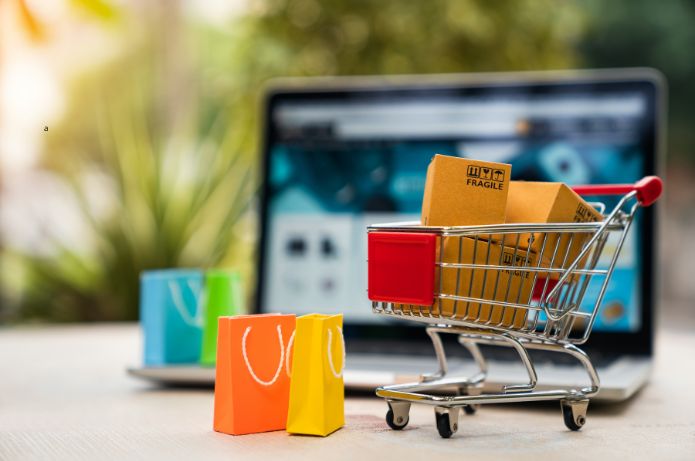
Online-to-Offline Integration, commonly known as O2O, is a business strategy that aims to unite online and offline shopping experiences, creating a more fluid and integrated consumer journey.
What's O2O?
O2O refers to strategies and technologies that connect online sales channels with physical stores.The goal is to create a seamless shopping experience where customers can start their journey on one channel and complete it on another without interruptions or inconveniences.
Key Elements of O2O Integration
1. Click-and-Collect (Buy Online, Remove in Store)
Customers order online and pick up products from a physical store, saving time and shipping costs.
2. Showrooming and Webrooming
Showrooming: Customers try products in physical stores and then shop online.
Webrooming: Search online and buy in the physical store.
3. Integrated Mobile Apps
Apps that offer features for both online shopping and to improve the physical store experience, such as internal maps, shopping lists and digital coupons.
4. Beacons and Geolocation
Technologies that send personalized notifications to customers when they are near or inside physical stores.
5. Augmented Reality (AR) and Virtual (VR)
They allow customers to view products in real-world environments or virtually experiment before purchasing.
6. Unified Inventory Management Systems
Integration of online and offline inventory for an accurate view of product availability across all channels.
Benefits of O2O Integration
1. Enhanced Customer Experience
It offers consumers more choice and convenience, allowing them to choose how, when and where to buy.
2. Increase in Sales
Integration can lead to an increase in sales as customers have more opportunities to interact with the brand.
3. Better Inventory Management
A unified view of inventory helps optimize product distribution and reduce costs.
4. Richer Data and Analytics
Collecting data both online and offline provides deeper insights into consumer behavior.
5. Customer Loyalty
An integrated, frictionless experience can increase customer satisfaction and loyalty.
Challenges in O2O Implementation
1. Technological Integration
Unifying online and offline systems can be complex and costly.
2. Staff Training
Employees need to be trained to handle new technologies and processes.
3. Consistency of Experience
Maintaining a consistent brand experience across all channels can be challenging.
4. Data Privacy and Security
The collection and use of customer data across multiple channels raises privacy issues.
Examples of Success in O2O
1. Amazon Go
Cashier-free physical stores where customers can pick up products and leave, with payment processed automatically through their smartphones.
2. Starbucks
Use of mobile app for advance orders, payments and loyalty program, seamlessly integrating digital and physical experience.
3. Walmart
Implementation of in-store pick-up and home delivery services, using their physical stores as distribution centers for online orders.
The Future of O2O
As technology advances, we can expect:
1. Greater Personalization: Using AI to create highly personalized experiences across all touchpoints.
2. IoT integration: Smart devices facilitating automatic purchasing and replenishment.
3. Frictionless Payments: More advanced payment technologies for fast and secure transactions across all channels.
4. Immersive Experiences: More sophisticated use of AR and VR to create unique shopping experiences.
Conclusion
Online-to-Offline integration represents the future of retail, where the boundaries between digital and physical become increasingly blurred. Companies that successfully implement O2O strategies will be well positioned to meet the expectations of modern consumers, who seek convenience, personalization and frictionless shopping experiences.
O2O is not just a passing trend, but a fundamental transformation in the way companies interact with their customers.As technology continues to evolve, the integration between the online and offline world will become even more sophisticated, offering exciting opportunities for innovation and growth in the retail sector.

