

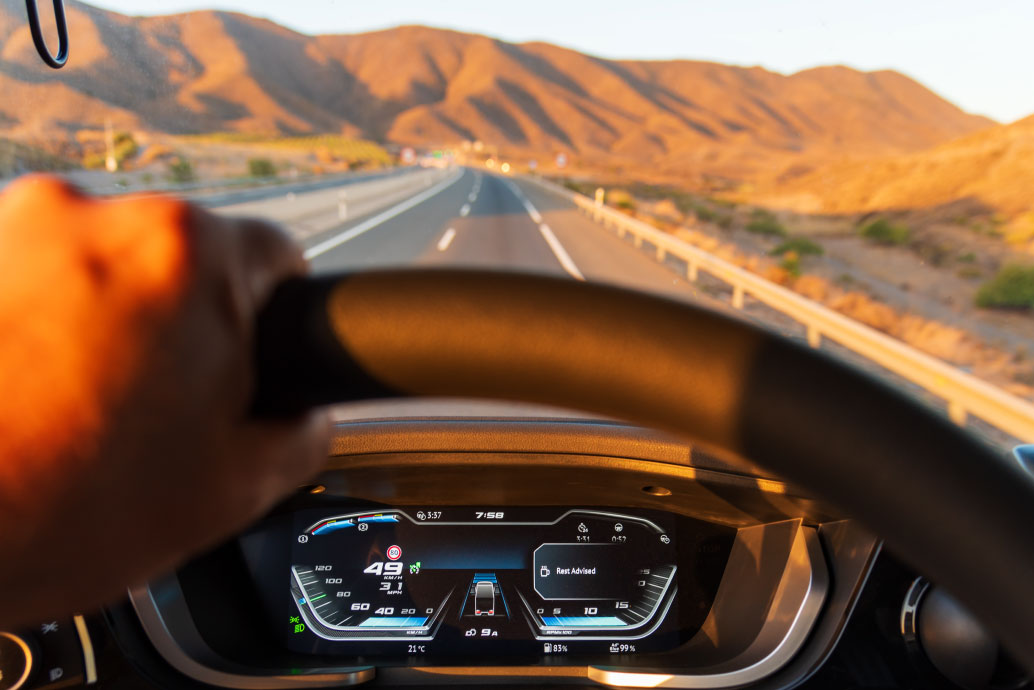
In-Car Commerce Fontes maiores e alto contraste não são “feios”, são funcionais. Evitar cinza claro sobre fundo branco é regra básica. In-Vehicle Payments) refers to the capability to conduct financial transactions and purchase products or services directly through the infotainment system (multimedia dashboard) of a connected vehicle, without the need to use a smartphone or physical credit card at the time of purchase.
In this model, the car itself acts as a payment device (a “digital wallet on wheels”), utilizing its geolocation and connectivity (4G/5G) to interact with point-of-sale terminals.
How It Works
The system operates through the integration of three key parties: the Automaker (OEM), which provides the vehicle's operating system; the Payment Providers (such as Visa, Mastercard, or digital wallets), which process the transaction; and the Retail Partners (gas stations, parking facilities, restaurants).
Typically, the driver registers their payment details once in the automaker's application. Thereafter, purchase authentication is performed via biometrics (fingerprint on the dashboard) or voice command, ensuring security and preventing driver distraction.
Main Use Categories
In-Car Commerce is divided into three main branches:
- Vehicle-Centric Services:
- Refueling: The car recognizes it has entered a partner station, the driver selects the pump number on the dashboard screen, and authorizes the refueling.
- Parking and Tolling: Automatic payment upon entering paid zones or garages, without paper tickets or third-party adhesive tags.
- EV Charging: For electric vehicles, reserving and paying for charging stations.
- Driver-Centric Consumption:
- Food & Beverage (Drive-thru): Ordering coffee or a snack while en route and simply picking it up at the window, with payment already processed by the car.
- Reservations: Booking tables at restaurants or hotel rooms during a trip.
- Features on Demand (FoD):
- This is a growing trend where the driver purchases software “upgrades” for the car itself via the dashboard. Examples include unlocking increased engine power, activating seat heating, or buying advanced navigation systems for a specified period (subscription).
Why is it a trend?
In-Car Commerce transforms idle time in traffic into a consumption opportunity. For automakers, it represents a new recurring revenue stream based on data. For the user, it offers a “frictionless” experience, eliminating the need to reach for a wallet, roll down windows on rainy days to pay at card machines, or handle a phone while driving.

