

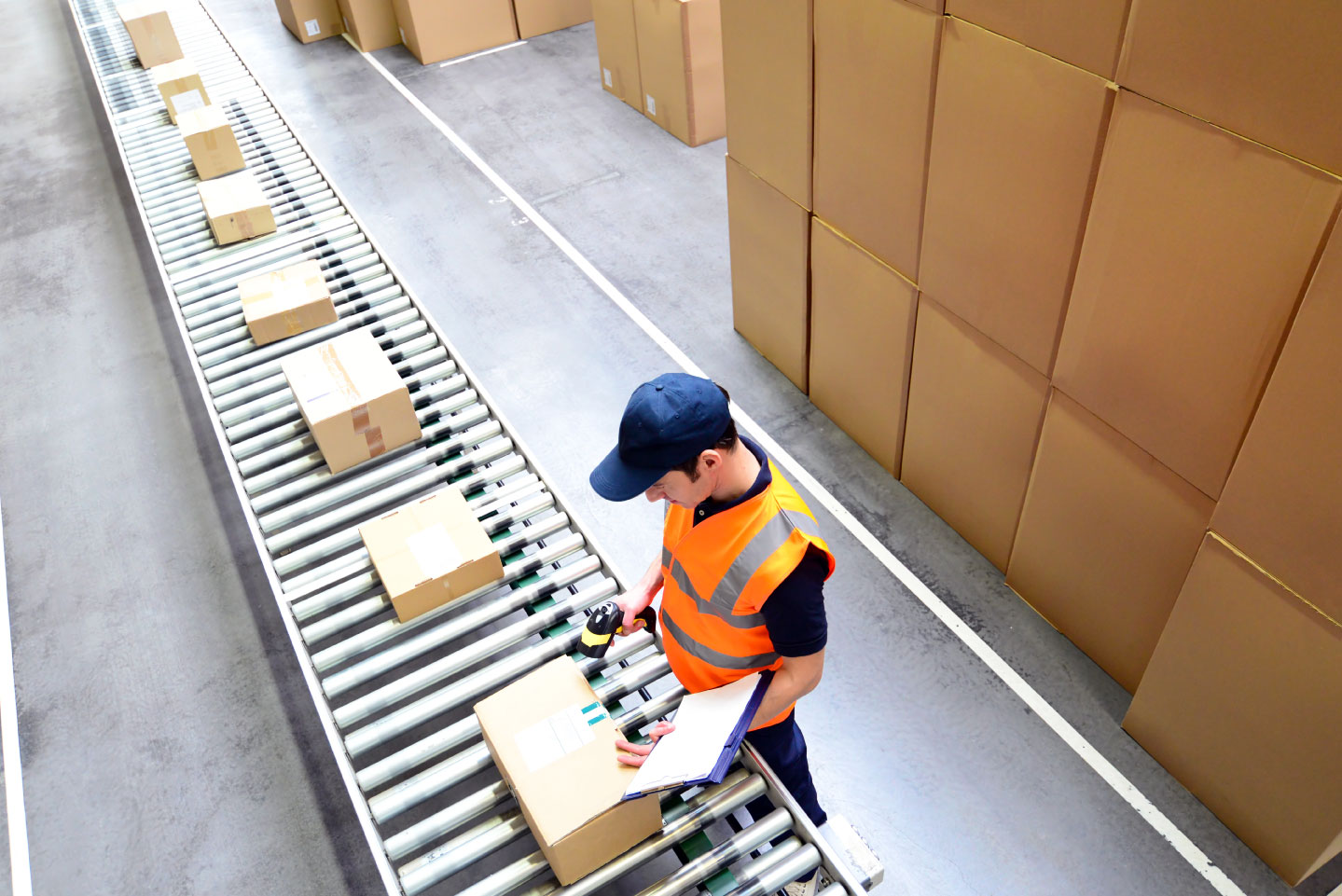
Logistics is at an inflection point where efficiency, speed and predictability are no longer differential and have become minimum requirements.What previously depended on manual decisions, fragmented controls and analysis based on estimates now requires continuous precision. Digital transformation arrives to fill this gap between the increasing complexity of operations and the human ability to monitor them in real time. The biggest bottlenecks in the industry have always been linked to lack of visibility, poorly integrated processes and the difficulty of anticipating risks or peaks in demand. Without updated data, operations lose pace, routing becomes inefficient, communication fails and decisions come late when advanced technologies enter the scene, the use of artificial time begins.
The evolution of digital logistics is shaped by a set of technologies that work in a complementary way. Artificial intelligence and machine learning increase predictability by learning patterns and adjusting operational decisions more accurately than any manual analysis could produce. The Internet of Things creates a layer of unprecedented visibility, connecting vehicles, equipment and distribution centers through sensors that transmit location, temperature, performance and load integrity minute by minute. Integration via APIs eliminates technological silos by allowing management systems to convert fluidly, avoiding rework and accelerating flows. Simulation scenarios with digital twins allow testing routes and strategies to improve data, always reducing the need for increased access and increasing data, reducing the need for greater accuracy and increasing data.
Digitalization makes its impacts clearer when observing the direct effect on predictability, costs, productivity and customer experience. Operations are guided by updated information and not estimates, which reduces surprises and improves planning. The elimination of manual processes reduces errors, unnecessary displacements and rework, generating savings. The productivity gain is born from the automation of tasks and the ability of teams to act based on consistent data. The customer journey becomes more transparent and reliable, since deadlines are met more rigorously and the status of deliveries remains accessible from start to finish.
To achieve digital maturity, companies follow a continuous path that goes from basic digitalization to the use of advanced operational intelligence. The process begins by replacing manual controls with unified systems. It evolves with the integration between areas, advances to automation, matures with the adoption of predictive analytics and is completed when technologies such as AI and SaaS solutions work continuously to guide decisions in real time. It is a path that transforms not only the technology used, but the way the operation is organized.
The path, however, is not free of barriers. The most common obstacles are cultural, when teams are stuck to old routines or resist the adoption of digital tools. There are also technological limitations, especially in companies that still depend on systems that do not integrate. And there is the financial factor, and often innovation is treated as cost and not as investment, delaying movements that could reduce expenses in the medium term. Overcoming these points requires a change of mentality and strategic vision about the role of technology in the sustainability of the business.
Digital transformation drives more sustainable logistics by reducing unnecessary travel, increasing fleet utilization and minimizing emissions. Data-driven decisions decrease waste and make each route more efficient.Predictive maintenance extends equipment life and creates more environmentally responsible operations.
Trends that reinforce real-time decisions should shape the future. Generative AI will make planning and fulfillment even faster. The expansion of IoT will increase visibility over volumes and routes. The growth of SaaS solutions will facilitate integration and reduce costs. Pressures for efficiency and sustainability will accelerate technologies capable of optimizing commutes and increasing productivity. Digital logistics advances towards a more agile, connected and intelligent ecosystem, in which decisions are continuously renewed and the operation keeps pace with the dynamic cities and consumer demands.


 Portuguese (Brazil)
  English
  Spanish
  German
  Chinese (Hong Kong)
  Russian
  Hindi
Hindi  French
  Italian
  Japanese
  Arabic
  Chinese (Taiwan)
  Bengali
  Bulgarian
  Czech
Czech  Danish
  Greek
Greek  Finnish
  Croatian
  Hungarian
  Indonesian
  Korean
  Lithuanian
  Dutch
Dutch  Norwegian
  Polish
  Portuguese (Angola)
  Portuguese (Portugal)
  Romanian
  Slovak
  Slovenian
  Swedish
  Thai
Thai  Turkish
  Ukrainian
  Vietnamese
  Chinese (China)