

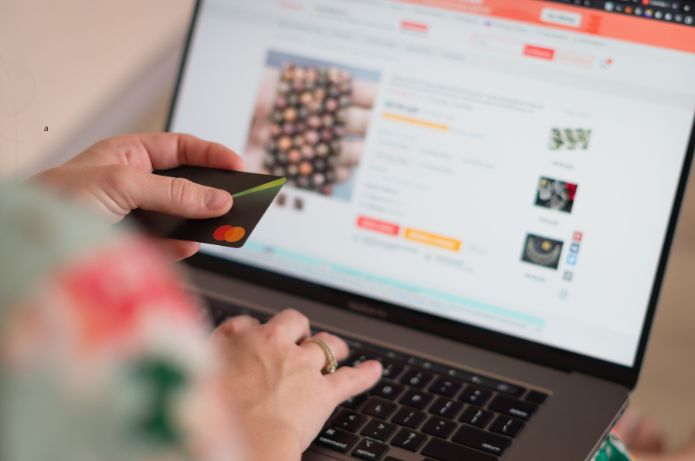
In the last decade, e-commerce has experienced exponential growth, radically transforming the way we consume. In parallel, there has been a significant increase in consumer awareness of the impact of their purchase choices. This confluence of trends has given rise to a new phenomenon: ethical and conscious shopping in e-commerce.
What are Ethical and Conscious Shopping?
Ethical and conscious purchasing refers to the process of making purchasing decisions based not only on price and quality, but also considering the social, environmental and ethical impact of products and the companies that produce them. This includes concerns with sustainability, labor rights, animal welfare, fair trade and more.
Why is Important?
1. Environmental Impact: Consumption choices have a direct impact on the environment, from production to disposal.
2. Social Justice: Ethical procurement supports fair labor practices and decent working conditions.
3. Animal Welfare: Many consumers are concerned about the ethical treatment of animals in food and product production.
4. Local Economy: Supporting small producers and local businesses can strengthen communities.
5. Personal Health: Ethical products are often healthier and safer for consumption.
How E-commerce is Responding
1. Transparency in the Supply Chain
E-commerce platforms are providing more information about the origin of products, manufacturing processes and labor practices.
2. Certifications and Stamps
Many online stores highlight certifications such as Fair Trade, Organic, Cruelty-Free, among others.
3. Ethical Filter Options
Some sites offer specific search filters for ethical and sustainable products.
4. Sustainable Packaging
There is a growing movement to reduce plastic use and opt for recycled or biodegradable materials.
5. Return and Recycling Programs
Companies are implementing product return programs for recycling or reuse.
Challenges of Ethical Online Shopping
1. Greenwashing
Some companies make unsubstantiated environmental or ethical claims, making it difficult for consumers to choose.
2. Complexity of Information
It can be difficult for consumers to navigate the vast amount of information and certifications.
3. Higher Prices
Ethical and sustainable products are often more expensive, which can be a hindrance for some consumers.
4. Authenticity Verification
It is challenging to verify the ethical claims of products sold online.
How Consumers Can Make More Ethical Shopping Online
1. Search the Brands
Investigate the practices and policies of companies before buying.
2. Check Certifications
Look for recognized seals and certifications from trusted organizations.
3. Read Reviews
The experiences of other consumers can provide valuable insights.
4. Prioritize Quality over Quantity
Opt for fewer items of higher quality and durability.
5. Consider Alternatives
Explore second-hand, rental or sharing options when possible.
The Future of Ethical Shopping in E-commerce
1. Blockchain Technology
To trace the origin and route of products transparently.
2. Augmented Reality (AR)
To view sustainability and ethics information directly on products.
3. Artificial Intelligence (AI)
To personalize ethical recommendations based on consumer preferences.
4. Specialized Ethical Marketplaces
Platforms dedicated exclusively to ethical and sustainable products.
5. Integration with Circular Economy
More options to recycle, reuse and reduce waste.
Conclusion
Ethical and conscious shopping in e-commerce represents a significant shift in the way consumers interact with brands and make purchasing decisions.This trend not only reflects a growing global awareness of social and environmental issues, but is also actively shaping the future of e-commerce.
As more consumers demand transparency and accountability, e-commerce companies that adopt ethical and sustainable practices are not only doing the right thing, but also positioning themselves for long-term success.
Lately, the move toward more ethical and conscious shopping in e-commerce is not just a passing trend, but a reflection of a fundamental shift in consumer values. As this trend continues to grow, it has the potential to transform not only e-commerce but the entire global value chain, creating a world of more sustainable and responsible consumption.

