

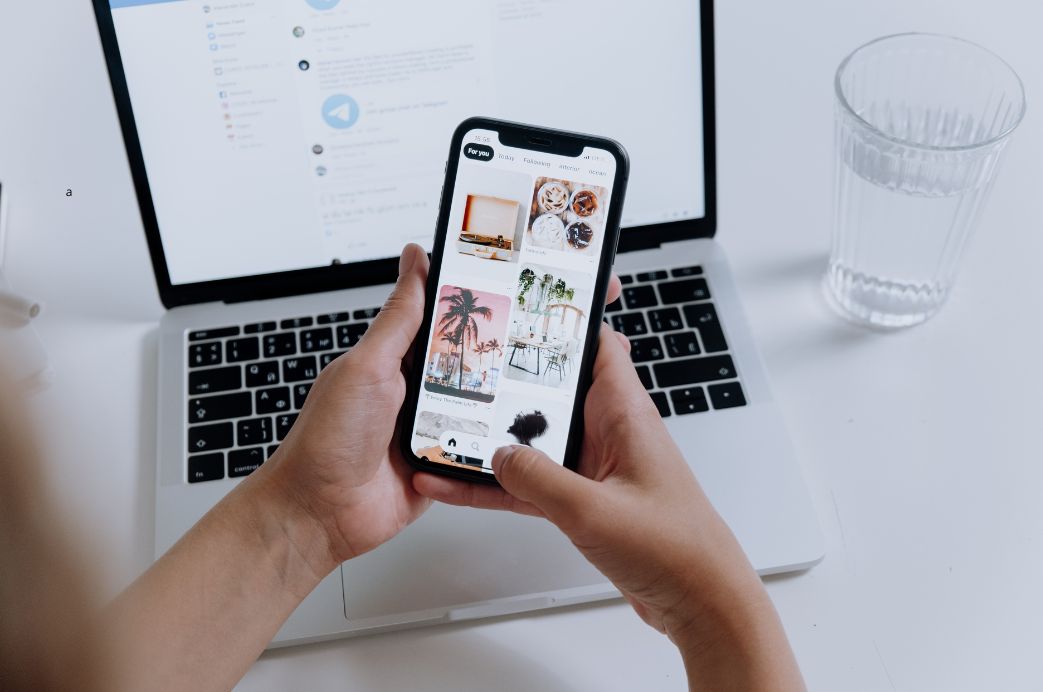
We are increasingly dealing with digital convergence in all areas of our lives.Efficiency and productivity have been optimized by accessing and sharing information in real time, regardless of location. In addition, according to a 2023 Accenture study, the integration between the physical and digital worlds is allowing government agencies and companies to reorient their operations to achieve greater success.Easily, professionals and students conduct video calls, participate in virtual meetings and attend webinars using electronic devices, indispensable tools in the corporate and academic environment.
When we think about leisure time, various equipment such as smartphones and smart TVs, as well as their accessories, can offer immersive and personalized experiences for the consumption of digital content. Watching movies, playing video games and listening to music become enriching activities thanks to improved sound quality and wireless connectivity, for example. According to DataReportal, in 2023, the average time spent online by Internet users was 6 hours and 37 minutes a day, highlighting the importance of these devices in our daily routine.
Having this history evidenced, digital convergence is the main driver of transformation, integrating several technologies and platforms into a single device or system.Bluetooth technology, for example, allows devices such as smartphones to connect at the same time to various other gadgets, such as headphones and smart watches.This integration also extends to virtual assistants and streaming platforms, accessible directly from devices such as smart speakers, which have become command centers in many homes.
Technological innovations such as active noise cancellation and high-definition sound quality in audio devices further increase the versatility of these devices, allowing use in different scenarios, reconciling home and corporate use. Sound boxes, for example, can be used in corporate meetings and at times of party and fun.
We can say that the pandemic dramatically accelerated digital convergence. Before 2020, most interactions and activities were predominantly in person (the home office had a presence still shy, but evolving. From 2020, the use of hybrid devices skyrocketed, allowing the continuity of activities in a remote environment. A study by the Pew Research Center last year indicates that, despite remote work has receded, it continues five times higher than in the pre-pandemic and the hybrid format is growing in the market, showing how much the period has brought changes.
This transformation of electronic devices reflects a trend of our society 'WE are looking for technologies that not only meet a need, but that work at various times, being explored in leisure, during physical activities, at the time of work and study. Digital convergence is the key to this transformation, and its impact will continue to shape the future of consumer technology, also bringing a better cost x benefit ratio to its user. According to Grand View Research, the global market for connected devices should grow at a rate of 12% per year until 2026, driven by the continuous integration of new technologies.
The versatility of electronic devices, driven by digital convergence is a reality that is here to stay. The challenge is to find balance in the use of technology, taking advantage of the benefits without letting it dominate the relationships and routines. Awareness about the time of use of the devices, the encouragement of offline activities and the creation of moments of disconnection are important steps to ensure that the tool is an ally and not an enemy of family relationships.
As electronic devices become fundamental in various environments of everyday life, facilitating from virtual meetings to the consumption of digital content, digital convergence emerges as a food for this transformation. While innovations integrate several platforms, the versatility of these devices promises to redefine how we interact at work, studies and leisure.


 Portuguese (Brazil)
  English
  Spanish
  German
  Chinese (Hong Kong)
  Russian
  Hindi
Hindi  French
  Italian
  Japanese
  Arabic
  Chinese (Taiwan)
  Bengali
  Bulgarian
  Czech
Czech  Danish
  Greek
Greek  Finnish
  Croatian
  Hungarian
  Indonesian
  Korean
  Lithuanian
  Dutch
Dutch  Norwegian
  Polish
  Portuguese (Angola)
  Portuguese (Portugal)
  Romanian
  Slovak
  Slovenian
  Swedish
  Thai
Thai  Turkish
  Ukrainian
  Vietnamese
  Chinese (China)