

“I am not seeing results”. This is a very common phrase in the market said by customers seeking to take their first steps in the world of digital marketing, but without the initial preparation that serves as a basis to demonstrate, perfectly, the delivery of results of the work of professionals in this area, it becomes difficult to make reports.
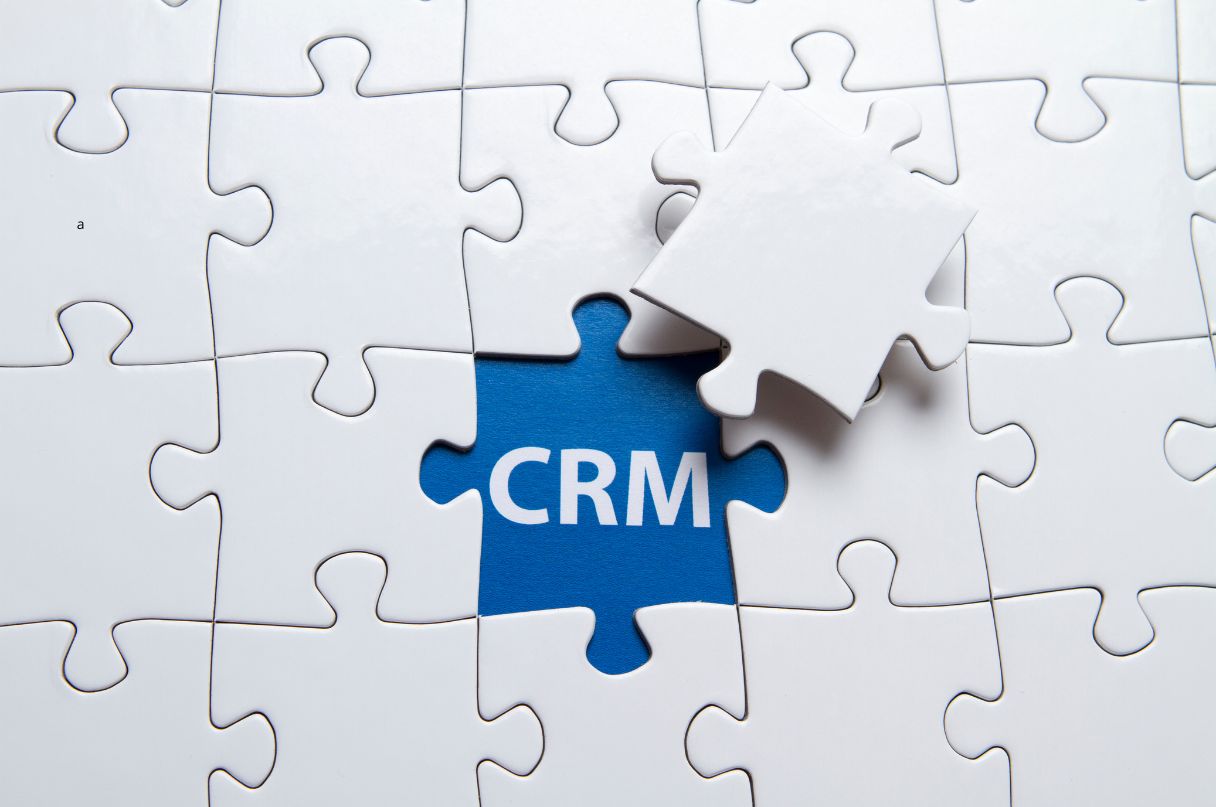
Achieving these effective results in itself is not something complex, the problem, in fact, lies in the collection of data for presentation of numbers that can support the perception of work, which is not something simple and requires investment in a tool that will be the key piece for these objectives: the CRM (Client Relationship Management).
Although it is still very associated with this achievement of goals, many forget or do not understand that marketing can have multiple objectives, being, as an example, commonly used by small and medium-sized companies only for lead generation. However, when this process is conducted directly on certain platforms without the support of robust tools that control the arrival of leads and lead them on a journey adherent to their profile, there is a great risk of loss of data regarding the reason for leaving, as well as the lack of control over the performance of the sales team.
Avoiding these losses, with the application of the tools provided by the customer management system, as CRM is known, companies have the possibility to work with conversational marketing, seeking to adopt real-time conversations as a central strategy to engage their leads and guide them at each stage of the purchase journey. Thus, the company and its team can create genuine and engaging experiences, with an empathetic and close touch, strengthening connections with their consumers.
This need has been perceived in the market since the XX century, when CRMs were first implemented manually through Rolodex, a list of paper contacts. In 1987, however, the first software similar to CRMs that are currently available entered the market, named “ACT!”. The point to be evidenced here is the observed need for such a device within the digital area since the last century.
Today, according to a survey conducted by Nucleus Research, which seeks to provide research related to ROI (Return on Investment), it was found that for every dollar invested in a CRM, eight are returned to the company. We are talking about a return of 800% (I.e., the money applied to hire one of these applications is paid and, additionally, brings profits to the company.
However, even in the face of an incontestable data and so many international ventures that already incorporate CRM into their routines, many companies are still reluctant to bet on a tool that has been in the market for almost four decades and, therefore, in addition to losing potential customers, they will also lose data related to the treatment of these leads, as well as their reasons for withdrawal.
A satisfied customer is not likely to become loyal to the brand, but also recommend it organically to many other people. And if your company does not want to lose space for the competition and understand exactly the journey of its consumers to convert them into a memorable experience, resorting to CRM will no longer represent a technological cost, but a long-term investment that will be essential to constantly enhance your sales, profitability and prominence in the industry.


 Portuguese (Brazil)
  English
  Spanish
  German
  Chinese (Hong Kong)
  Russian
  Hindi
Hindi  French
  Italian
  Japanese
  Arabic
  Chinese (Taiwan)
  Bengali
  Bulgarian
  Czech
Czech  Danish
  Greek
Greek  Finnish
  Croatian
  Hungarian
  Indonesian
  Hebrew
  Korean
  Lithuanian
  Dutch
Dutch  Norwegian
  Norwegian
  Polish
  Portuguese (Angola)
  Portuguese (Portugal)
  Romanian
  Slovak
  Slovenian
  Swedish
  Thai
Thai  Turkish
  Ukrainian
  Vietnamese