

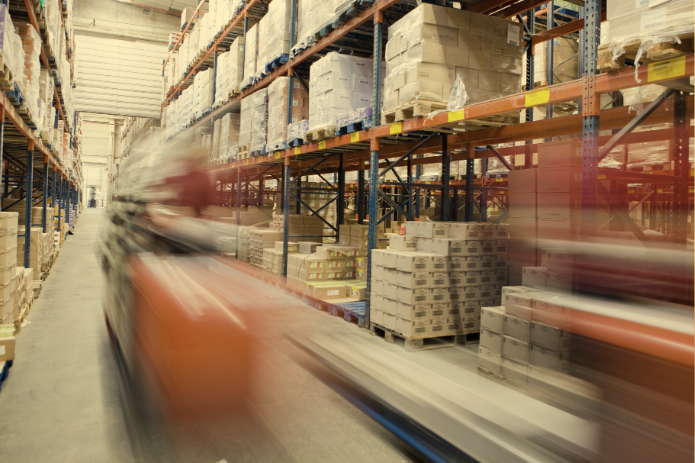
The digital transformation in the logistics sector has been consolidating itself as one of the main factors for the growth and efficiency of e-commerce and retail in Brazil and worldwide. omnichannel and personalizing the consumer experience has led companies to invest heavily in automation, artificial intelligence and data analytics to optimize their operations.
Betting on innovative solutions to drive this evolution is an example.With initiatives that improve processes and create an integrated digital ecosystem that improves demand predictability, reduces operating costs and ensures greater agility in deliveries.
Automation and the use of artificial intelligence (AI) have enabled significant advances in inventory management, demand forecasting and efficiency of operations fulfillmentautomated warehouse management systems (WMS) enable more effective inventory organization, reducing order picking and dispatch time.
In addition, AI-based tools analyze consumption patterns and customer behavior to predict demand peaks and avoid inventory disruptions. Thus, it is possible to integrate different information bases to anticipate trends and optimize the supply chain.
The digitization of logistics operations involves the implementation of solutions omnichannel, like the infinite showcase, which connects physical and digital stocks, allowing customers to buy a product online and choose between pick up in store or receive at home. This model has proven essential for luxury brands and large retailers seeking to offer convenience without losing the exclusivity of face-to-face service.
Another breakthrough is the application of intelligent order tracking, which ensures greater transparency for consumers.The technology allows real-time monitoring of delivery, reducing uncertainties and increasing customer satisfaction.
Despite technological advances, the sector still faces important challenges, such as the need for greater digital infrastructure, information security and logistics sustainability. Companies dealing with a high volume of orders need to balance operational efficiency with environmental responsibility, optimizing delivery routes and reducing waste.
With continuous investments and the adoption of new technologies, the logistics sector in Brazil continues to innovate at a fast pace. Companies that know how to integrate data intelligence, automation and personalization of the customer experience will be better prepared for the challenges of e-commerce in the coming years.


 Portuguese (Brazil)
  English
  Spanish
  German
  Chinese (Hong Kong)
  Russian
  Hindi
Hindi  French
  Italian
  Japanese
  Arabic
  Chinese (Taiwan)
  Bengali
  Bulgarian
  Czech
Czech  Danish
  Greek
Greek  Finnish
  Croatian
  Hungarian
  Indonesian
  Korean
  Lithuanian
  Dutch
Dutch  Norwegian
  Polish
  Portuguese (Angola)
  Portuguese (Portugal)
  Romanian
  Slovak
  Slovenian
  Swedish
  Thai
Thai  Turkish
  Ukrainian
  Vietnamese
  Chinese (China)