

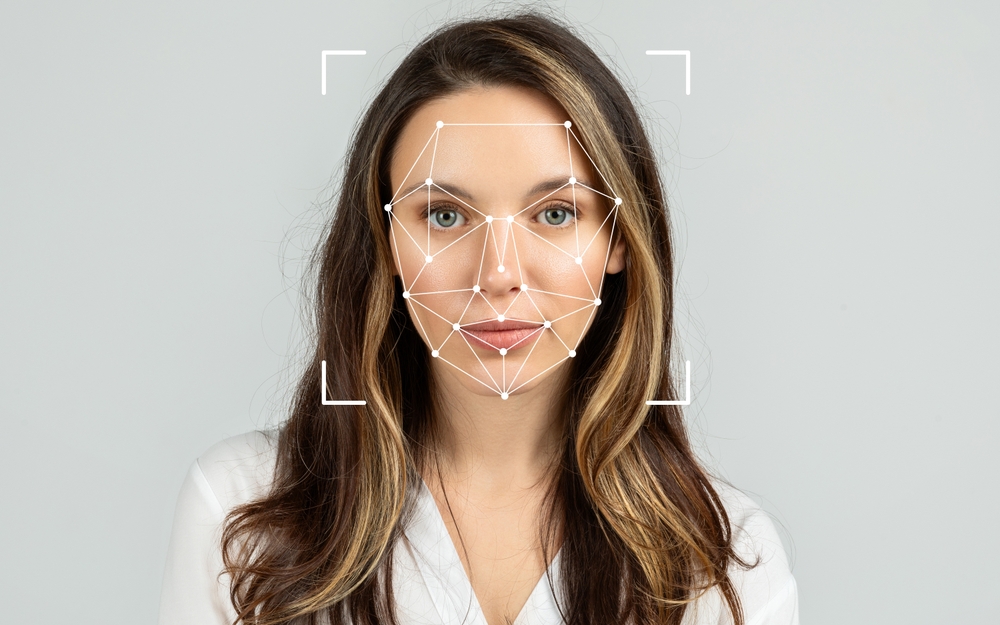
Pix has profoundly transformed the way Brazilians make payments, becoming a central instrument of the digital economy. Still, even with wide adoption, Pix continues to face a relevant challenge: friction at the time of authorization, especially in digital environments.It is in this context that Pix by biometrics emerges as a possible evolution.
Pix's proposal for biometrics is based on the so-called journey without redirection. Instead of driving the user to the bank's application or to additional Open Finance flows for each transaction, the model allows the authorization to happen directly, after a pre-registration, using biometrics as a validation element. The logic approaches the already known experience of NFC, but with the ambition to go beyond the limitations of this model, which has not yet been broadly consolidated in all device ecosystems.
From an experience perspective, the gain is clear. A traditional Pix transaction can take more than a minute to complete, while biometric authorization reduces this time to a few seconds.This agility improves usability, reduces user exposure time during payment, and tends to increase adherence, especially in environments such as e-commerce.
However, the discussion cannot be limited to efficiency. The biometrics used in this model is largely the biometrics of the user's own device.In a country with high rates of smartphone theft, this poses a concrete risk.Stolen devices, often already unlocked, may have their biometric data changed, allowing payments and access to sensitive information.
This risk is magnified by the accelerated advancement of artificial intelligence. Biometric systems work from logical maps of points and physical characteristics, and the evolution of AI has occurred at a faster pace than the improvement of these technologies. In addition, biometric processes never operate with 100% of assertiveness. They require a delicate balance between security and usability: very strict thresholds can prevent legitimate use, while more flexible criteria open space for exploitation attempts.
Therefore, biometrics is no longer just a facilitator and starts to work as a kind of signature, which can be discovered, tested and, in certain contexts, explored. The discussion, therefore, is not whether Pix by biometrics is a good idea, but whether the ecosystem is prepared to deal with the risks that accompany this evolution.
The Central Bank's stance also enters this debate.In previous cycles, innovation was conducted with greater openness to tests and adjustments in operation. More recently, a more cautious approach is observed, with a slowdown of initiatives in the face of security sensitive points. Given this, the advancement of Pix by biometrics will depend not only on gains in experience, but on the ability of the market and the regulator to address risks consistently.
Pix by biometrics has the potential to improve the payment experience in Brazil, but its success will be directly linked to how security, governance and regulation will evolve along with technology.


 Portuguese (Brazil)
  English
  Spanish
  German
  Chinese (Hong Kong)
  Russian
  Hindi
Hindi  French
  Italian
  Japanese
  Arabic
  Chinese (Taiwan)
  Bengali
  Bulgarian
  Czech
Czech  Danish
  Greek
Greek  Finnish
  Croatian
  Hungarian
  Indonesian
  Korean
  Lithuanian
  Dutch
Dutch  Norwegian
  Polish
  Portuguese (Angola)
  Portuguese (Portugal)
  Romanian
  Slovak
  Slovenian
  Swedish
  Thai
Thai  Turkish
  Ukrainian
  Vietnamese
  Chinese (China)