

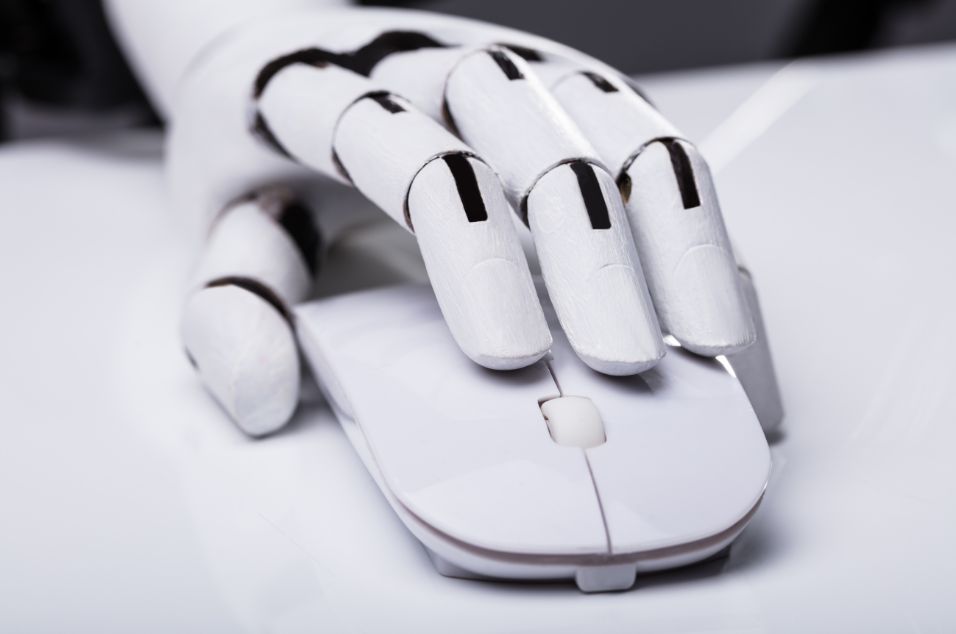
The adoption of artificial intelligence (AI) in interface design is revolutionizing the way brands interact with their users. The use of intelligent algorithms enables the customization of design elements and real-time adaptation based on customer behavior, improving navigability and satisfaction.
According to an Adobe study, 80% of companies investing in AI technologies for personalization see an increase in interactions with their consumers. The survey also reveals that AI is able to identify usage patterns and adjust screen layout according to user preferences, promoting a fluid and engaging experience. Although the company has focused efforts on its own product, Adobe Experience Cloud, the analysis shows that these technologies, powered by the artificial intelligence engine, have great potential to increase conversion rates.
Alan Nicolas, AI specialist for business and founder of Lendar Academy[IA]“ AI has the ability to refine the way digital tools are designed.The big difference of AI in UX/UI design is its ability to analyze data in real time, allowing immediate adjustments that take the user experience to another level. Companies are increasingly recognizing the value of offering personalized and intuitive interfaces”, he says.
Personalization at the heart of digital design
The use of AI allows digital platforms to become more responsive to the needs of users. Analyzing navigation data, preferences and behaviors, algorithms are able to adjust colors, fonts, layouts and even the provision of information in real time. This ensures a more personalized experience, without the user having to actively provide information.
In addition, companies in various industries, such as e-commerce and entertainment, already use AI to create tailored experiences. Amazon, for example, uses artificial intelligence to adapt the display of products based on consumer preferences and browsing history, increasing the chances of conversion.
Another example present in the lives of many is Spotify. The music streaming platform uses AI to create personalized playlists such as Discoveries of the Week and Radar of News. In addition, the app features adapt to suggest content based on musical tastes and geographic location of users, improving navigation and engagement.
The future of user-oriented design
As AI becomes more sophisticated, its impact on UX/UI design tends to expand. Tools that combine machine learning and artificial intelligence allow designers to create increasingly inclusive usability by integrating accessible elements for different user profiles, such as people with visual or motor disabilities.
Alan Nicolas reinforces that the changes are still at an early stage, but the possibilities are immense. “We are just scratching the surface of what AI can do for interface design. Personalization is just one piece of the puzzle.We will soon see AI designing spaces and tools capable of dynamically adapting to the mood, emotions and even physical conditions of” users, he explains.
For the expert, AI in experience design promises to transform the relationship between brands and consumers.“The future of design will be defined by the ability to create unique experiences for each individual. AI will bring unprecedented customization, generating apps that understand what the user needs before he even manifests”, he concludes.


 Portuguese (Brazil)
  English
  Spanish
  German
  Chinese (Hong Kong)
  Russian
  Hindi
Hindi  French
  Italian
  Japanese
  Arabic
  Chinese (Taiwan)
  Bengali
  Bulgarian
  Czech
Czech  Danish
  Greek
Greek  Finnish
  Croatian
  Hungarian
  Indonesian
  Korean
  Lithuanian
  Dutch
Dutch  Norwegian
  Polish
  Portuguese (Angola)
  Portuguese (Portugal)
  Romanian
  Slovak
  Slovenian
  Swedish
  Thai
Thai  Turkish
  Ukrainian
  Vietnamese
  Chinese (China)