

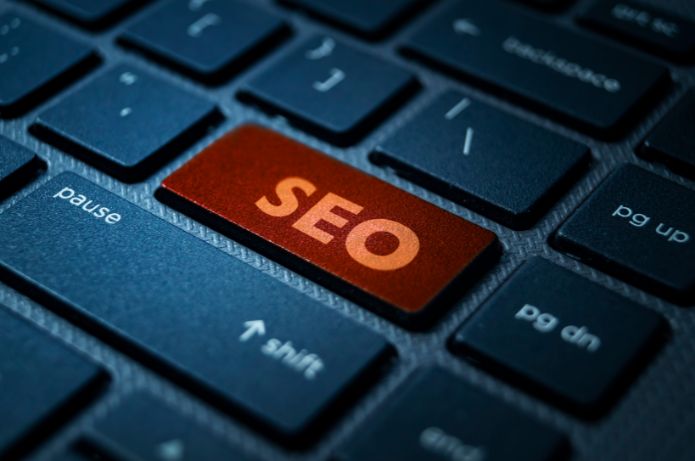
In recent years, the SEO (Search Engine Optimization) scenario has witnessed important evolutions, driven by the advancement of Artificial Intelligence (AI). As complex algorithms and machine learning become the backbone of search engines, new demands and strategies arise, driving professionals and companies to seek new approaches and tools capable of impacting their target audiences.
According to marketing and business strategy expert Frederico Burlamaqui, with the increasing integration of artificial intelligence into search engine algorithms, the future of SEO is intrinsically linked to understanding and adapting to these changes. “A AI is not only refining the way search engines interpret and classify content, but is also shaping user expectations, requiring a more sophisticated approach to optimizing” content, explains. “The most impactful transformation is the change in user behavior by not mostly using Google and starting to ask questions with the same goal for GPT Chat, for verified Gemini and related users, mainly the phenomenon is generation Z among users.
Frederico explains that one of the points that should be highlighted is with regard to the increasing automation of tasks and generation of insights provided by AI. “It is undeniable that technology has facilitated several activities, such as the performance of tests 5 something fundamental to the success of marketing strategies -, by allowing the comparison of different approaches and the optimization of content. For example, today it is possible to make content with different titles, or content with different approaches, and then check which one performs better”.
Speed in content production is also something impacted by AI, as technology drives productivity and fosters a greater focus on strategic and creative aspects of content production.“Certainly AI is transforming content creation by automating various tasks previously performed by humans. AI algorithms help in organizing ideas and data analysis, enabling insight-driven decisions.By freeing content creators from these tasks, AI drives productivity and fosters a greater focus on strategic and creative aspects of content production”, says the expert.
Trends for the coming years
One of the main trends shaping the future of SEO is search personalization, since with AI algorithms capable of understanding user context and intentions, search results must be increasingly customized to meet the individual needs of each user.“The current context demands that SEO professionals focus their efforts not only on overall rankings, but also on creating strategies that meet specific niches and create highly relevant user experiences”, Burlamaqui says
The expert reinforces that the refinement of search, driven by artificial intelligence, is changing the way we find information online. An example is the SGE (Generative Search Experience), a new search engine based on Google AI, which promises more personalized and direct answers, reducing the need to click on several links. “Although this can reduce the traffic of websites, tends to attract more engaged users, boosting the chances of conversion. Consequently, this reality leads to a need for SEO to index within these platforms, so that brands can appear in the context of these answers. Even with the alerts of experts who often tend to not trust the answers to be trusted, they are not to look to a.
However, Burlamaqui explains that despite these advances, the future of SEO will continue to depend fundamentally on human understanding, since AI can help in task automation and data analysis, but it is human creativity and understanding of the nuances of the target audience that have followed to drive successful SEO strategies. “As algorithms become smarter and users more demanding, it is necessary that companies and digital marketing agents are prepared to adapt and innovate continuously.
Benefits of AI for SEO
Conducting tests
With the help of AI, it has become easier and more efficient to test different approaches and strategies. From creating content with varied titles to targeting audiences, AI allows for a thorough analysis of results, enabling professionals to quickly identify what works best in terms of engagement and conversion. In this way, AI-driven testing not only optimizes marketing campaigns, but also contributes to more informed and assertive decision making.
Task automation
AI automates a variety of tasks essential to SEO, including backlink analytics, keyword monitoring, and even content generation.By taking on these responsibilities, AI frees up valuable time for SEO professionals to focus on more complex strategies and strategic enhancements, thereby increasing efficiency and productivity.
Insights for optimization
Through AI, you can gain detailed insights that guide optimization strategies.This includes identifying relevant keywords, analyzing website structures, and evaluating content quality. With these insights in hand, SEO professionals can perform more accurate and effective optimizations, directing their efforts to areas that actually drive site performance in search engines.

